UK species guide
72 British fungi, written up the way you actually use them in the field: what it looks like, when it appears, where it grows, and what dangerous species it can be mistaken for.
Never eat a wild mushroom on the strength of a website alone. Some deadly species look very like good edibles. Check every feature, and get an expert opinion if there is any doubt at all.
Read the full foraging safety guidance.
Checking the weather across the UK…
Showing 6 of 72 species
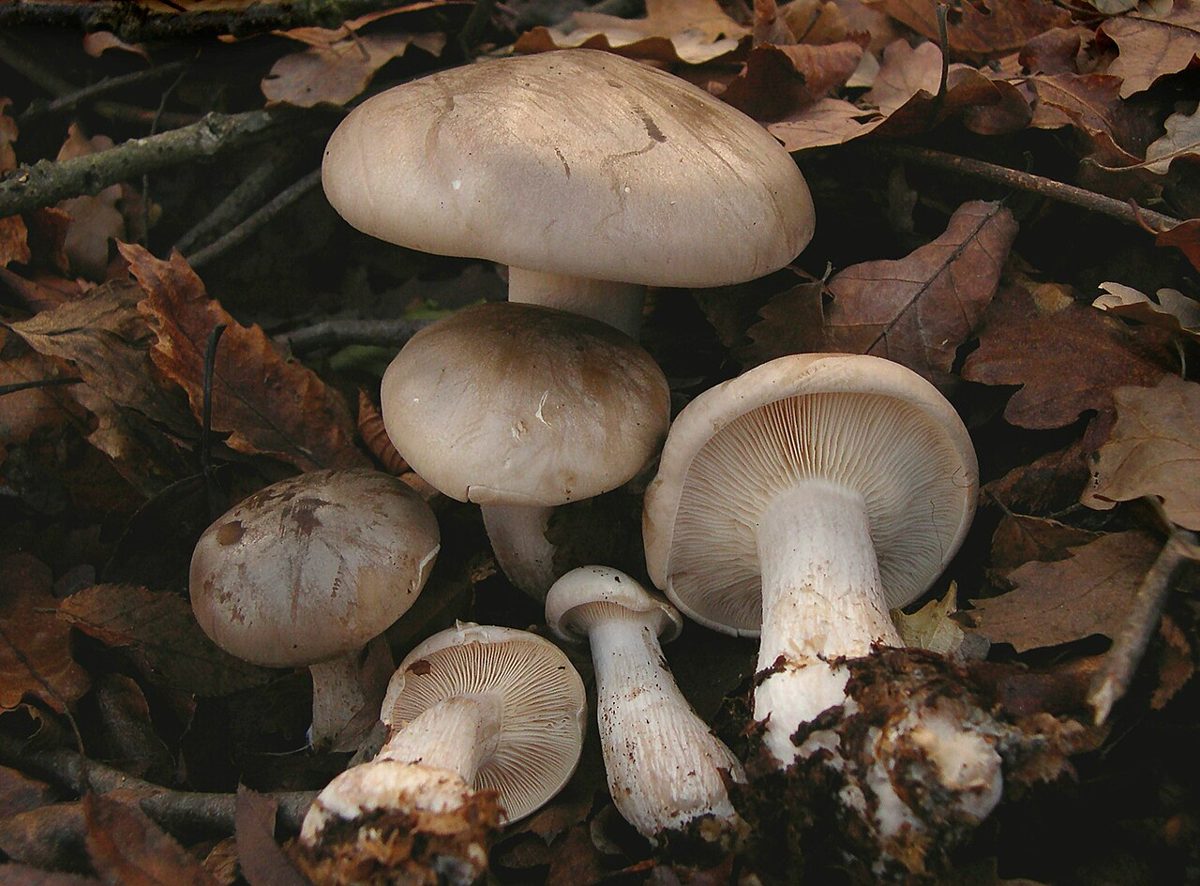
Clouded Funnel
Clitocybe nebularis
A big, fleshy grey mushroom of late autumn leaf litter, often in rings of dozens. Once widely eaten, it is now treated as poisonous by most UK guides because it causes stomach upsets in a significant share of people, even when cooked. It is also the only host of the strange Piggyback Rosegill.
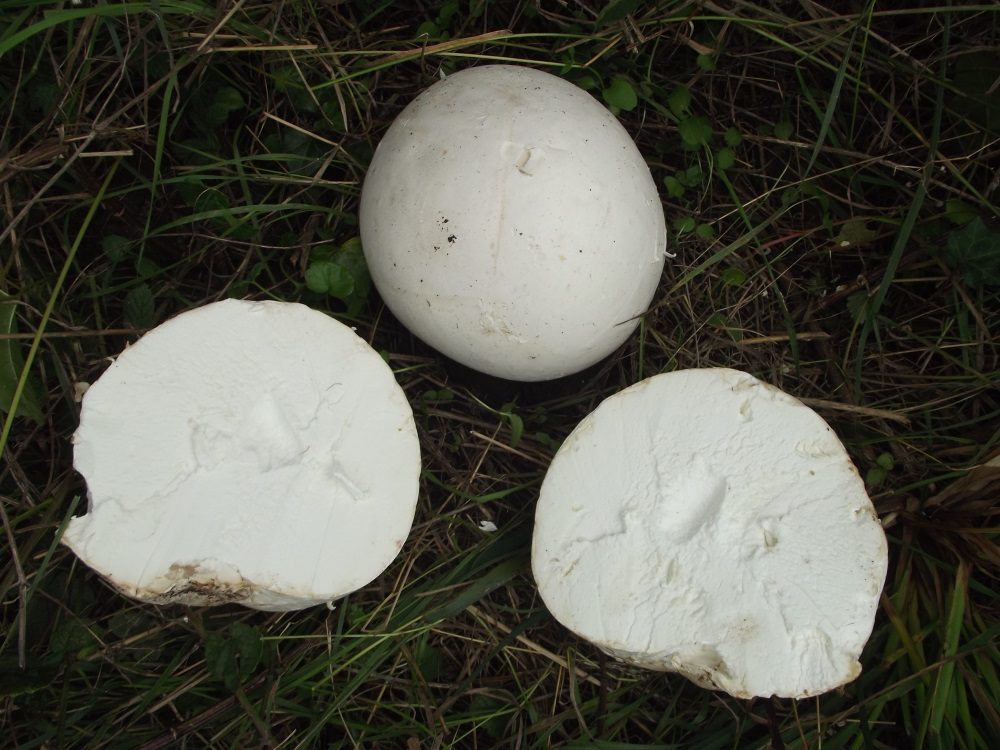
Giant Puffball
Calvatia gigantea
An unmistakable white football in a field. Excellent eating while the flesh is pure white throughout.
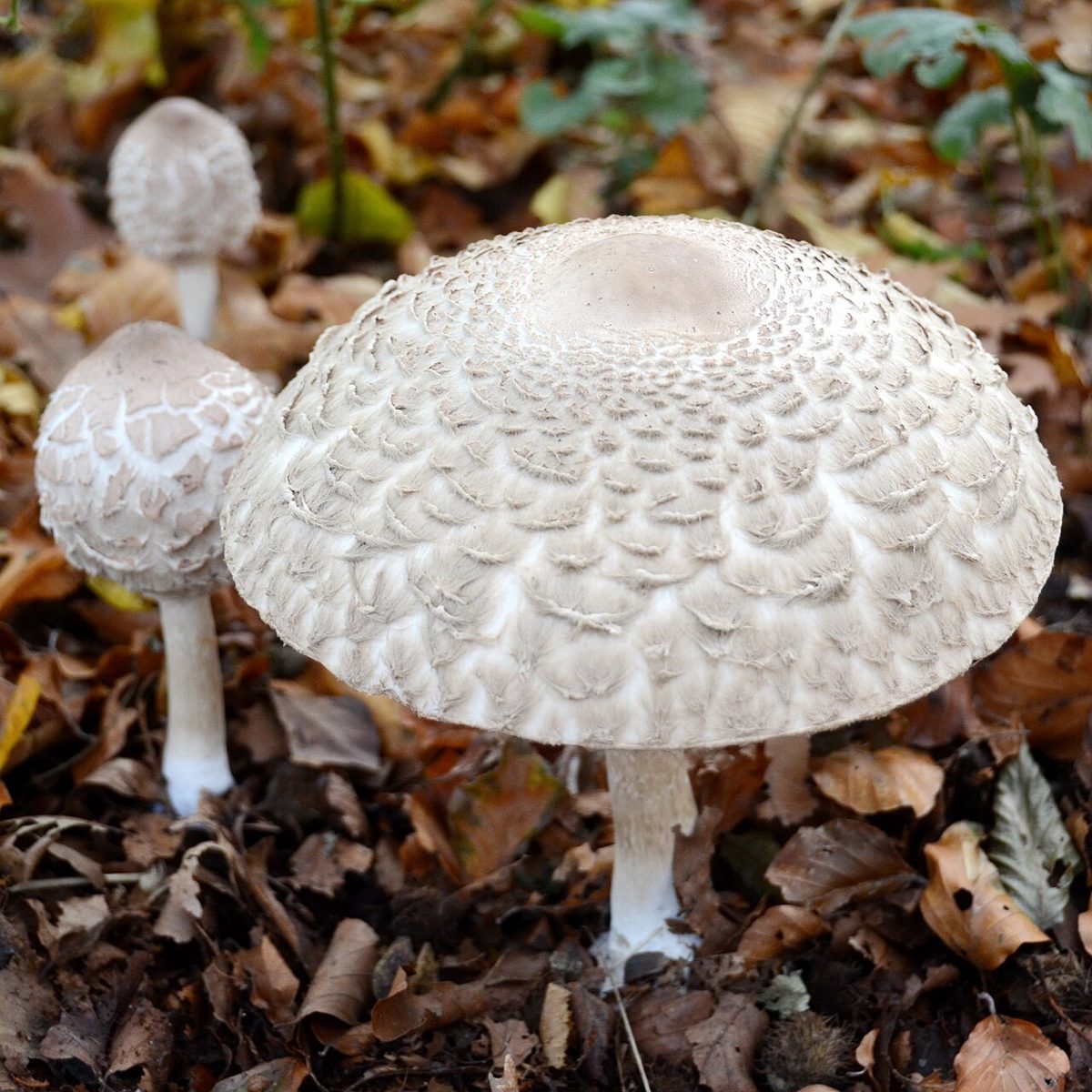
Shaggy Parasol
Chlorophyllum rhacodes
A big, shaggy-scaled parasol of woodland edges, gardens and compost heaps, whose flesh turns saffron-orange when cut. Eaten by some, but it upsets others, and small parasol-like Lepiota species can be deadly.
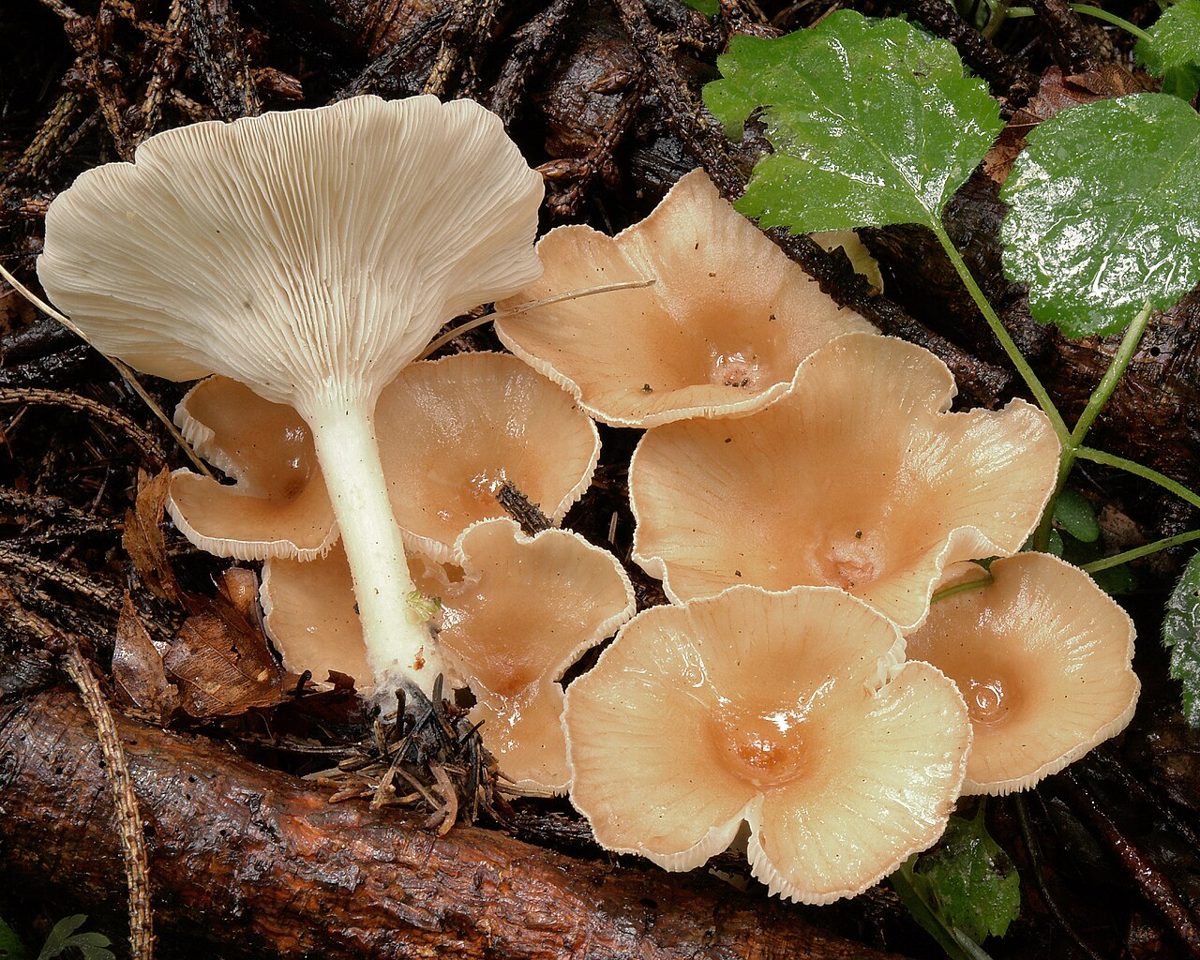
The Funnel
Infundibulicybe gibba
A pale tan funnel of woodland leaf litter, common from late summer to late autumn, and the edible funnel that must be kept well apart from the poisonous white funnels of grassland.
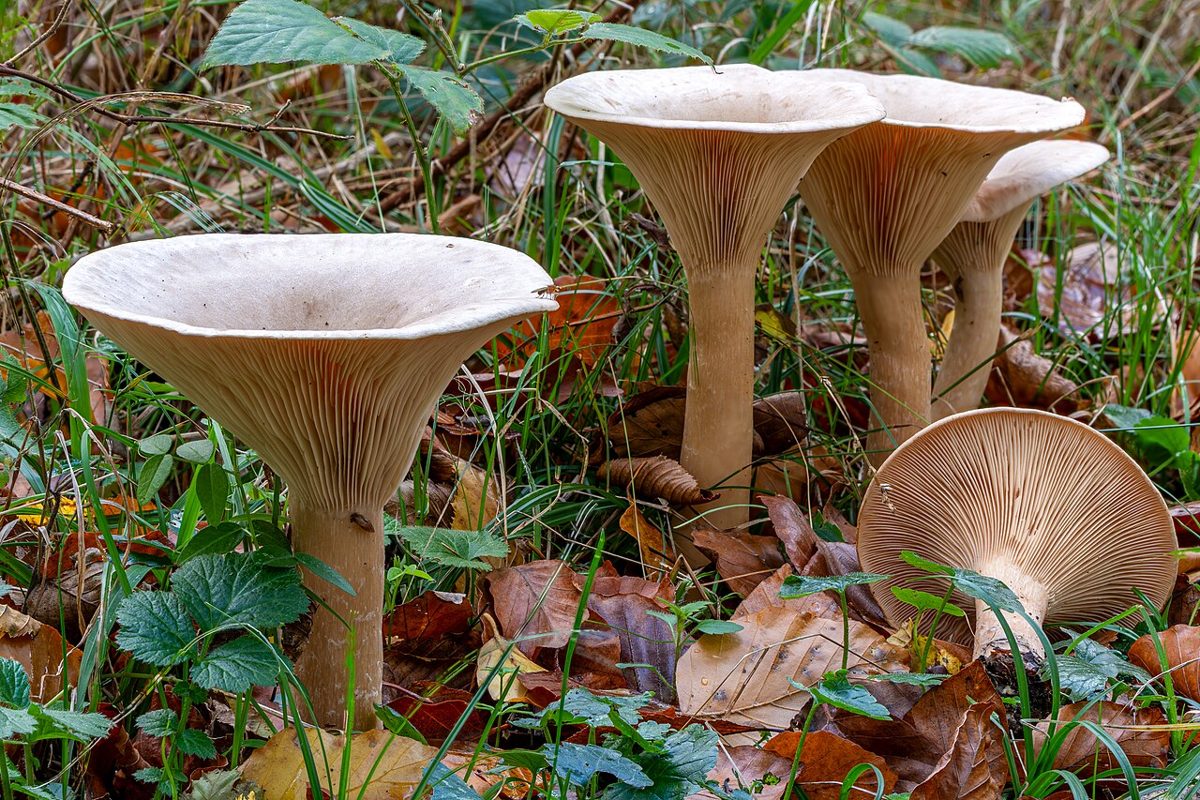
Trooping Funnel
Infundibulicybe geotropa
A tall, pale funnel with a pointed central boss that marches through woodland clearings in huge rings and lines from September to December. One of the better late-season edibles, but it shares its woods with the Clouded Funnel and the seriously poisonous Livid Pinkgill.
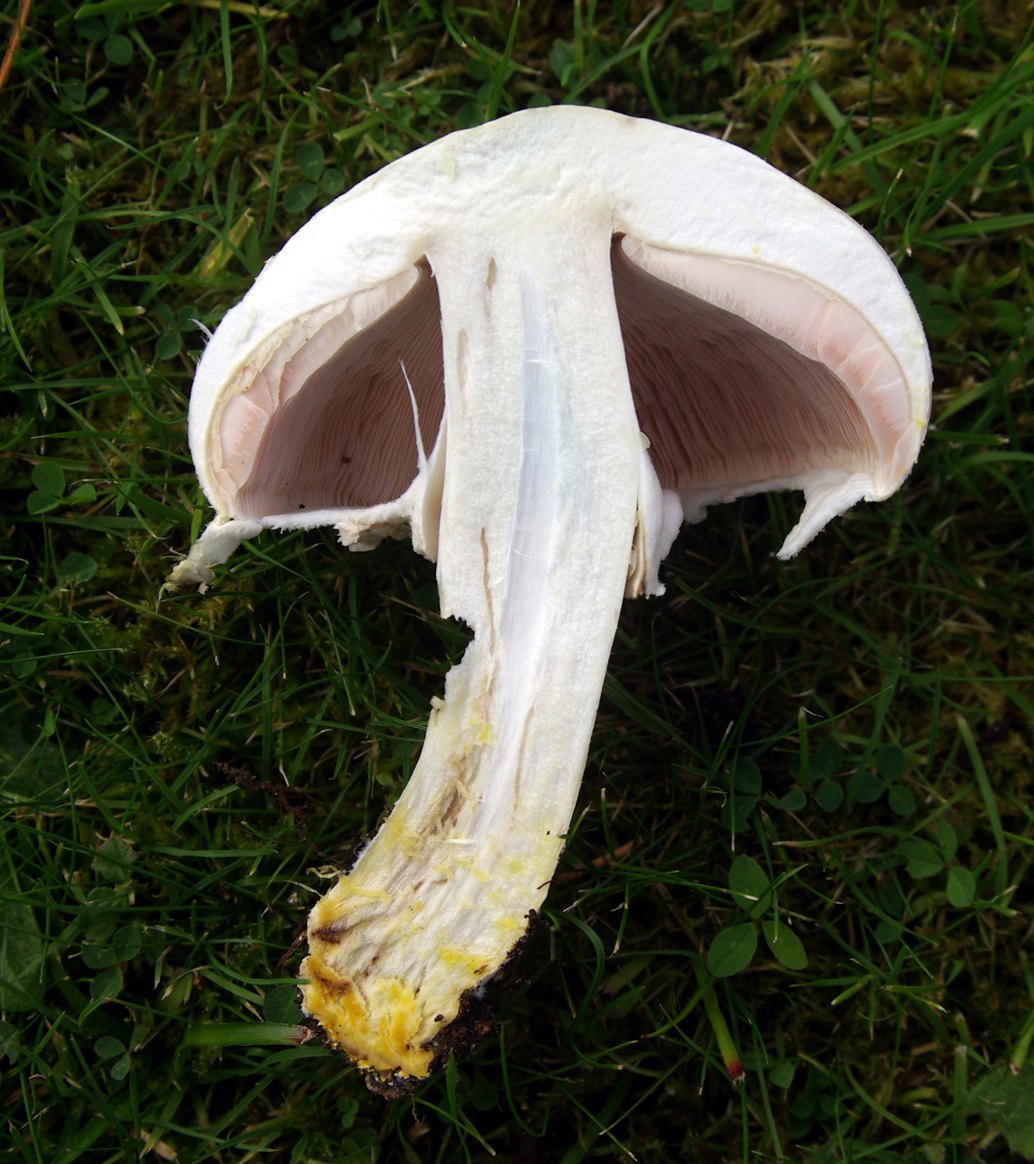
Yellow Stainer
Agaricus xanthodermus
A field-mushroom lookalike that turns bright chrome yellow when cut and makes most people ill.