UK species guide
72 British fungi, written up the way you actually use them in the field: what it looks like, when it appears, where it grows, and what dangerous species it can be mistaken for.
Never eat a wild mushroom on the strength of a website alone. Some deadly species look very like good edibles. Check every feature, and get an expert opinion if there is any doubt at all.
Read the full foraging safety guidance.
Checking the weather across the UK…
Showing 6 of 72 species
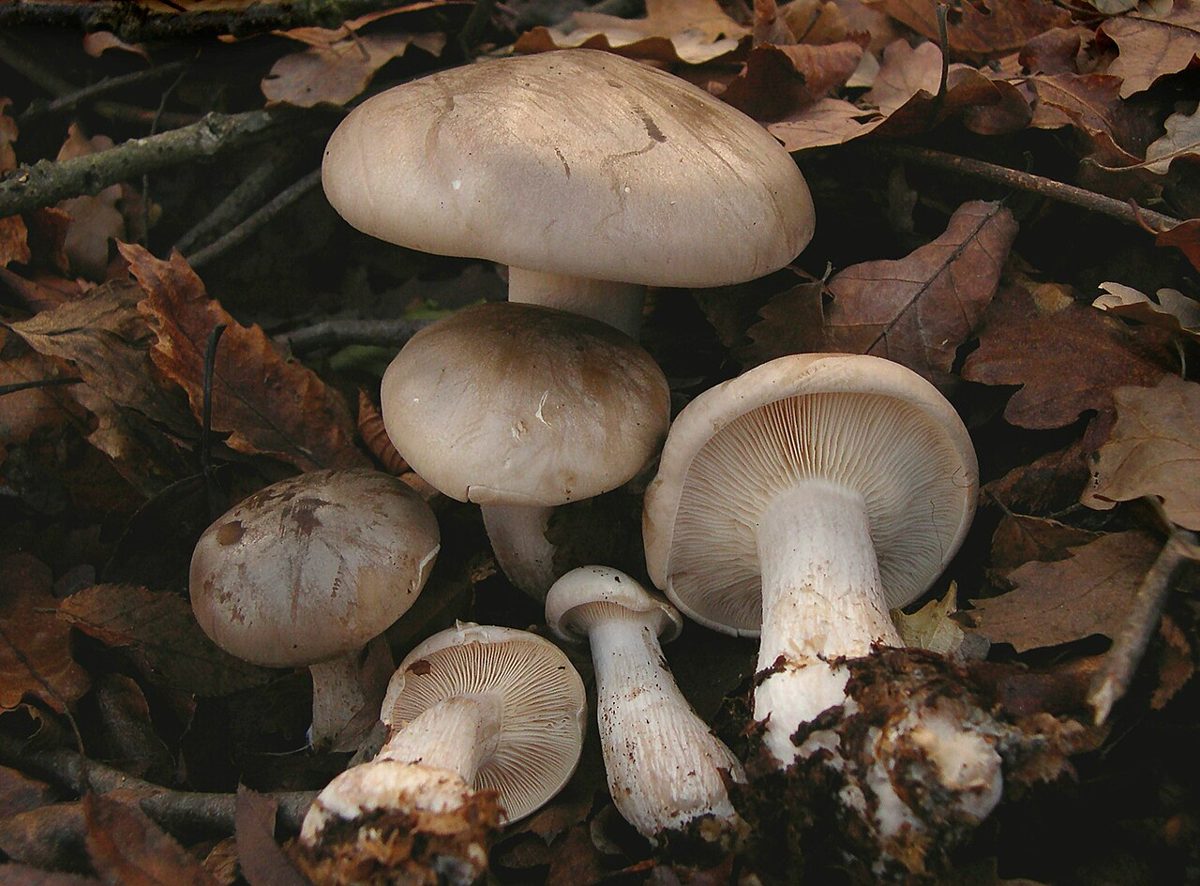
Clouded Funnel
Clitocybe nebularis
A big, fleshy grey mushroom of late autumn leaf litter, often in rings of dozens. Once widely eaten, it is now treated as poisonous by most UK guides because it causes stomach upsets in a significant share of people, even when cooked. It is also the only host of the strange Piggyback Rosegill.
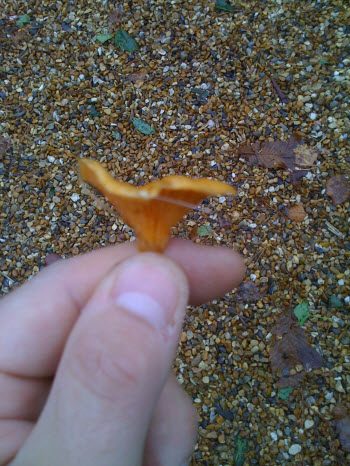
Tawny Funnel
Paralepista flaccida
An orange-brown funnel that turns up in troops and rings in conifer and broadleaf litter from September into winter. Chris found dozens of them on Ludshott Common in November 2009. Not worth eating, but worth knowing so you can rule it out.
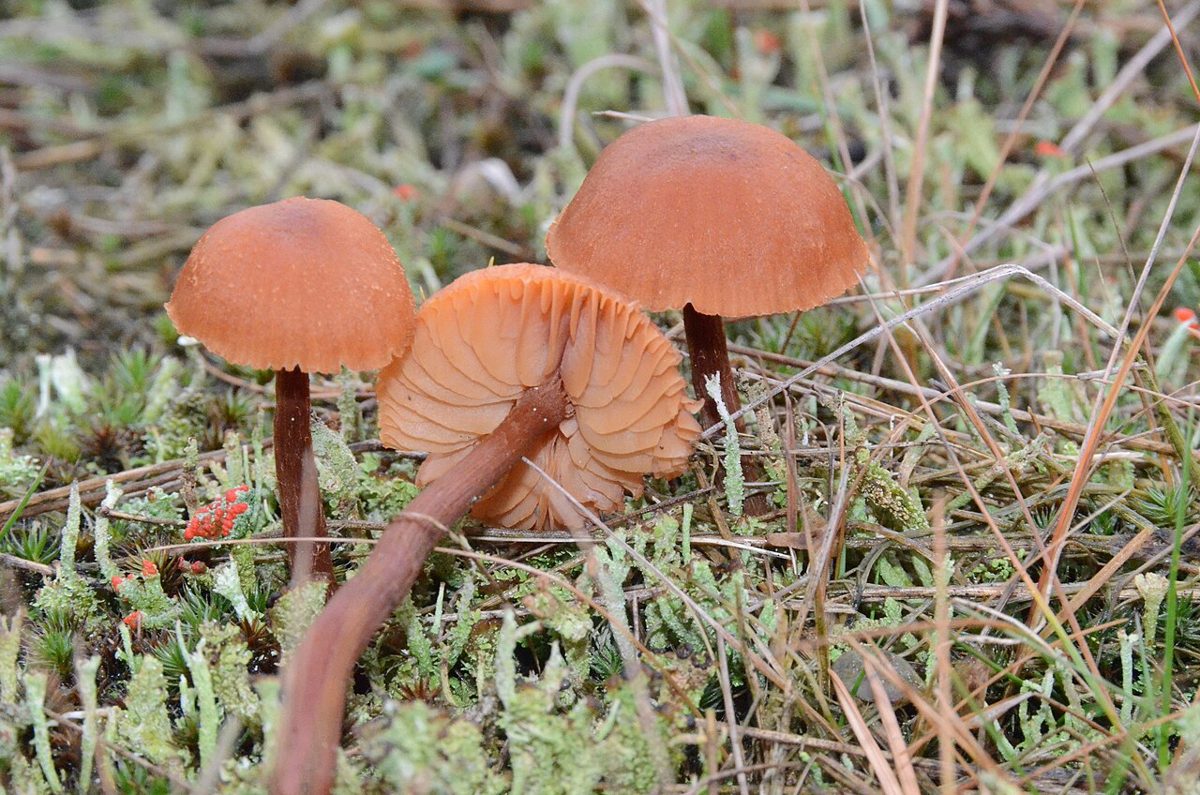
The Deceiver
Laccaria laccata
A small orange-brown mushroom with thick, widely spaced pink gills, found almost everywhere from summer to early winter. It earns its name by changing colour as it dries and looking like many other little brown mushrooms.
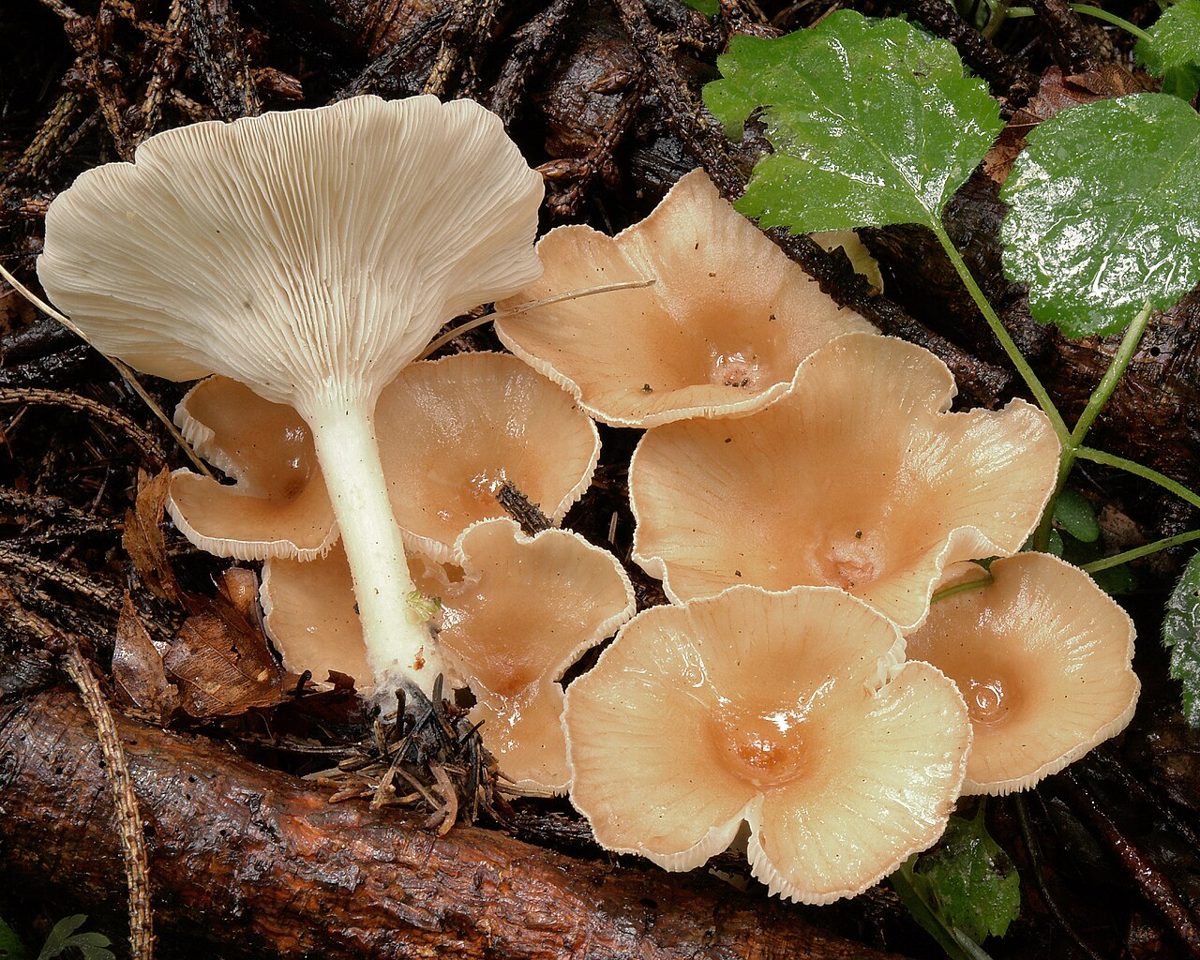
The Funnel
Infundibulicybe gibba
A pale tan funnel of woodland leaf litter, common from late summer to late autumn, and the edible funnel that must be kept well apart from the poisonous white funnels of grassland.
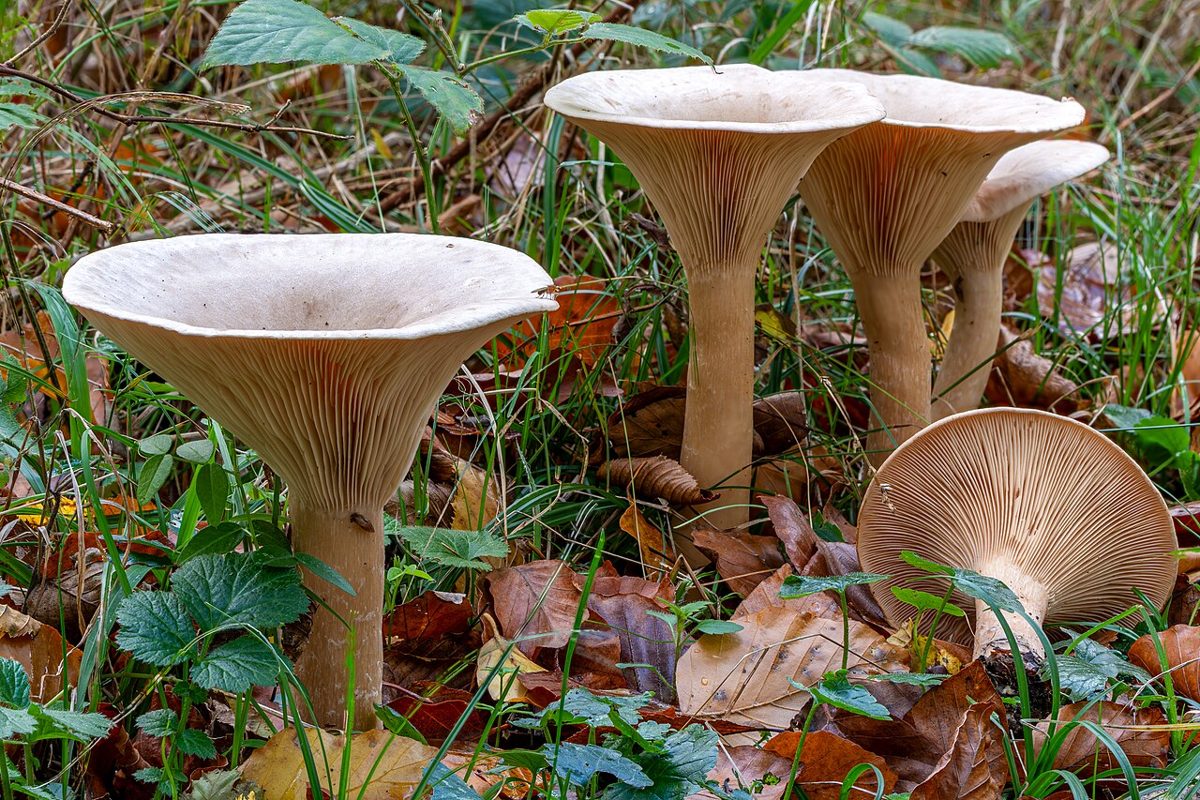
Trooping Funnel
Infundibulicybe geotropa
A tall, pale funnel with a pointed central boss that marches through woodland clearings in huge rings and lines from September to December. One of the better late-season edibles, but it shares its woods with the Clouded Funnel and the seriously poisonous Livid Pinkgill.
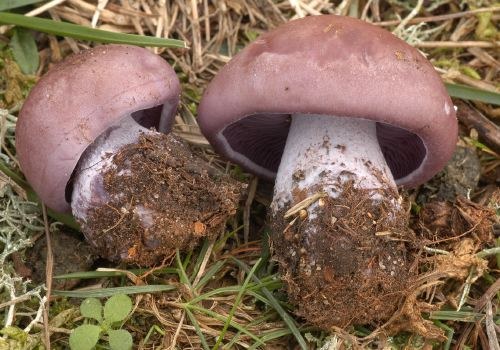
Wood Blewit
Lepista nuda
A late-season woodland mushroom with a striking lilac flush and a perfumed smell.