UK species guide
68 British fungi, written up the way you actually use them in the field: what it looks like, when it appears, where it grows, and what dangerous species it can be mistaken for.
Never eat a wild mushroom on the strength of a website alone. Some deadly species look very like good edibles. Check every feature, and get an expert opinion if there is any doubt at all.
Read the full foraging safety guidance.
Checking the weather across the UK…
Showing 5 of 68 species
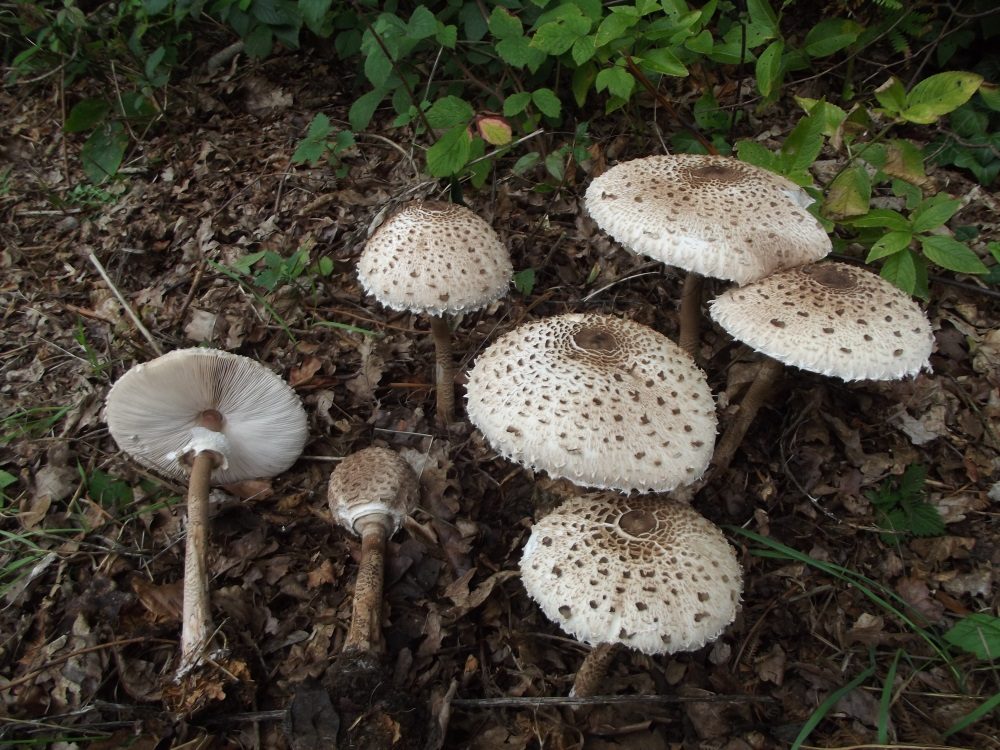
Parasol Mushroom
Macrolepiota procera
A tall, elegant mushroom with a snakeskin stem and a cap that opens like a parasol.
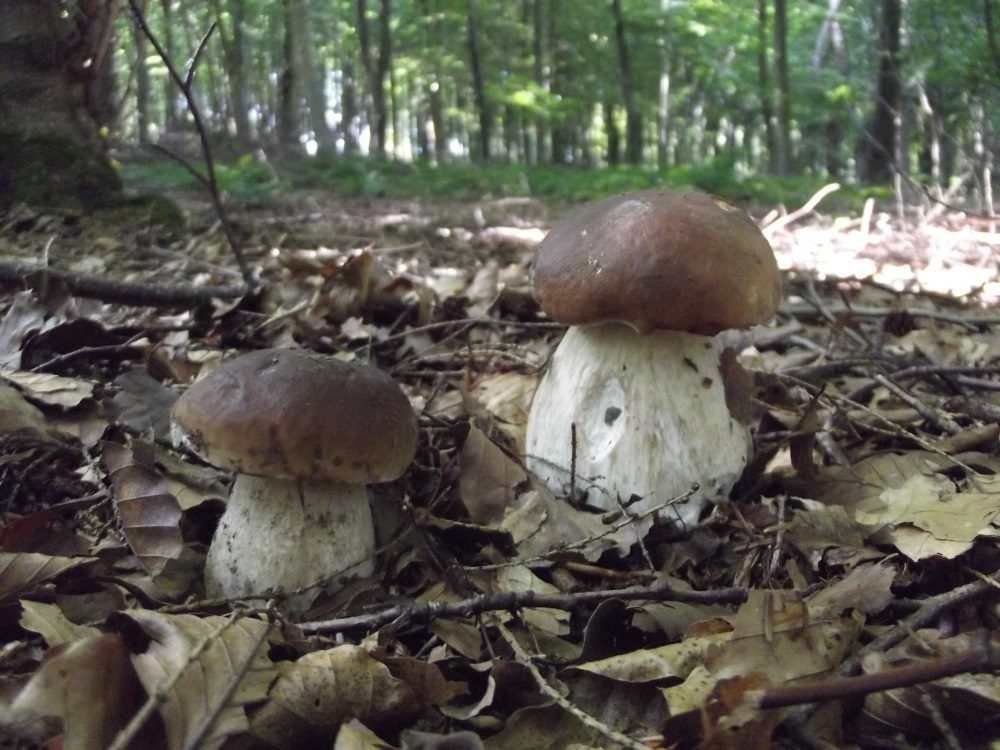
Penny Bun
Boletus edulis
The most sought-after wild mushroom in Britain: nutty, firm and richly scented, with a pale bun-like cap and a fat netted stem.
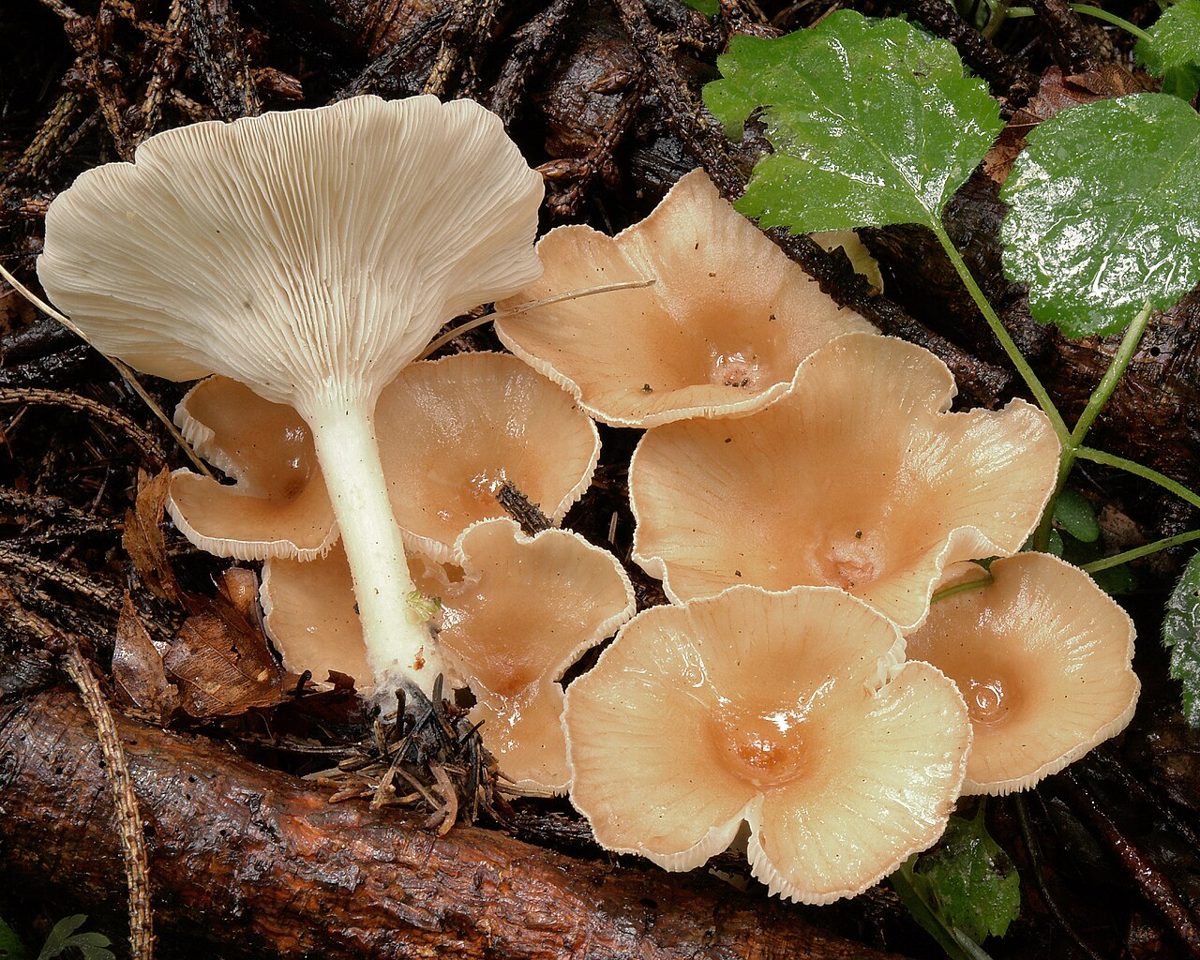
The Funnel
Infundibulicybe gibba
A pale tan funnel of woodland leaf litter, common from late summer to late autumn, and the edible funnel that must be kept well apart from the poisonous white funnels of grassland.
The Miller
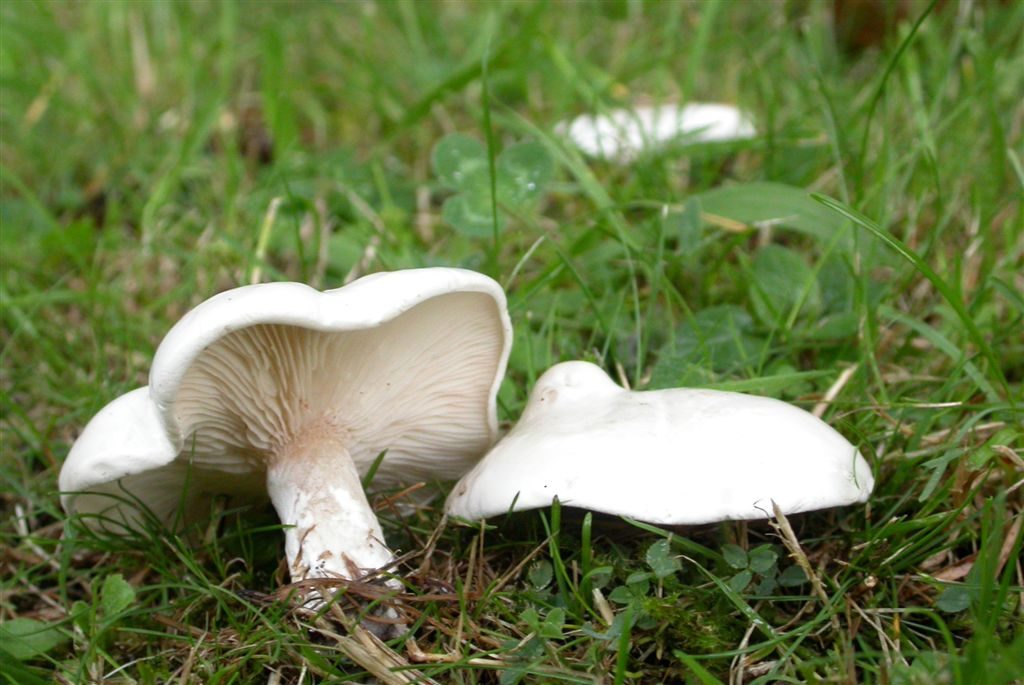
Clitopilus prunulus
A soft white woodland mushroom with gills that run down its short stem and turn pink, and a strong smell of fresh flour or bread dough. A good edible and a traditional sign that Penny Buns may be nearby, but it closely resembles the poisonous Fool's Funnel.
Trooping Funnel
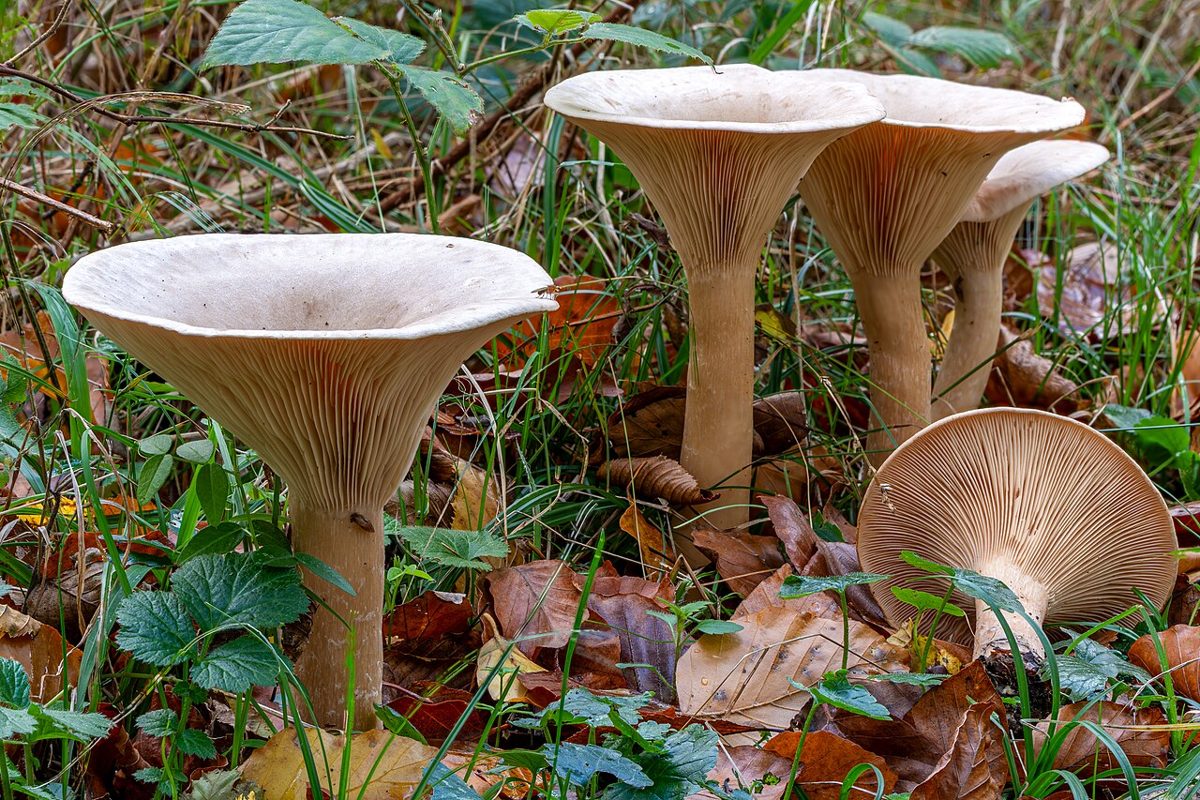
Infundibulicybe geotropa
A tall, pale funnel with a pointed central boss that marches through woodland clearings in huge rings and lines from September to December. One of the better late-season edibles, but it shares its woods with the Clouded Funnel and the seriously poisonous Livid Pinkgill.