Boletus edulis · Boletaceae
Also called Cep, Porcini, King Bolete
The most sought-after wild mushroom in Britain: nutty, firm and richly scented, with a pale bun-like cap and a fat netted stem.
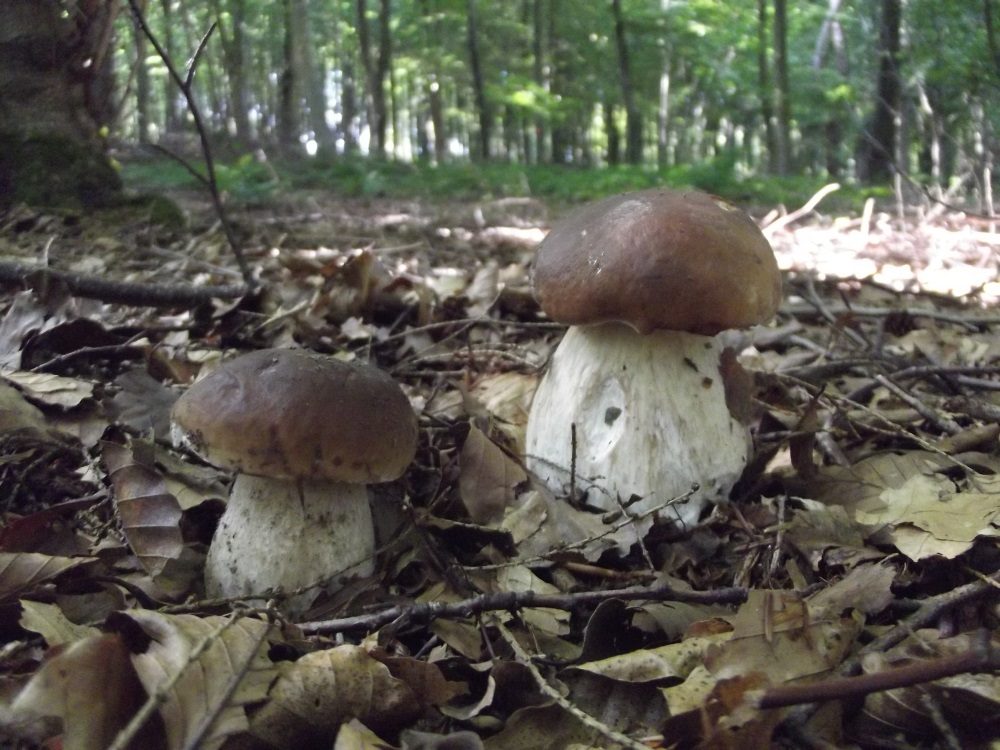
Edible. No deadly lookalikes in Britain, but always check that the pores are white to olive and never red or orange.
Read the full foraging safety guidance.
July to November
Bitter Bolete (Tylopilus felleus) has a dark net on the stem and pinkish pores, and is unbearably bitter. Devils Bolete has red pores.
Superb fresh in butter, and the best of all mushrooms for drying. Slice thinly and check for maggots before cooking.
Wild Mushrooms on Toast
The honest test of any wild mushroom. Butter, a hot pan, good bread and nothing to hide behind.
Cep and Thyme Risotto
Dried ceps do most of the work here. The soaking liquid is the real ingredient.
Wild Mushroom Powder
The best way to use a glut, and the most useful jar in the kitchen.
Cheat's wild mushroom risotto
The original oven-baked risotto from the old Wild Mushrooms Online recipe pages. No standing over the pan stirring for half an hour - the oven does the work while you lay the table. Dried ceps give the depth, fresh wild mushrooms give the texture.
Rich wild woodland mushroom soup
A thick, dark, thoroughly old-fashioned soup thickened with stale bread rather than flour. It was written for a big autumn haul of mixed woodland mushrooms and it is still the best way to use a basket of odds and ends.
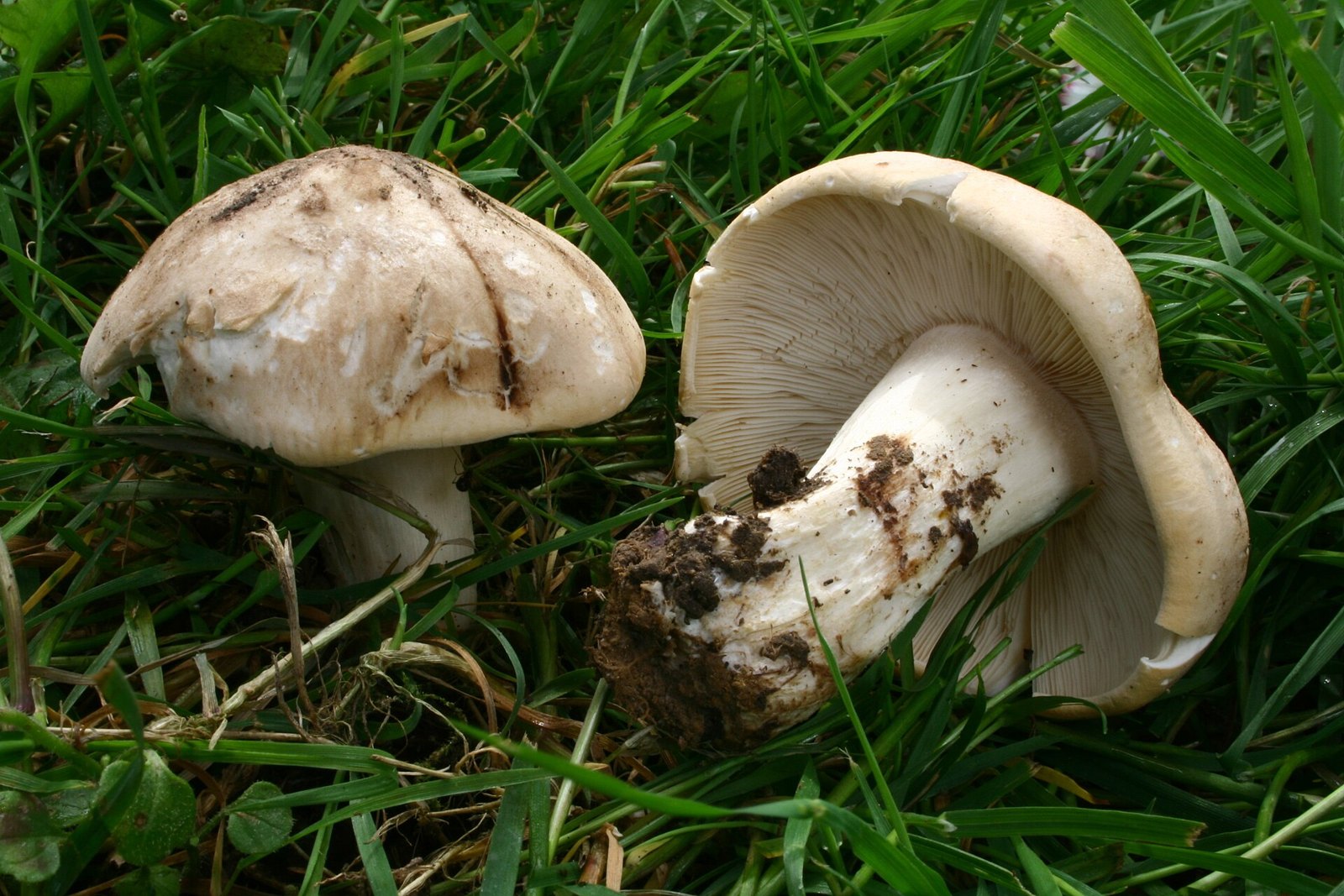
Calocybe gambosa
A solid white spring mushroom of grassland, traditionally appearing around St Georges Day.
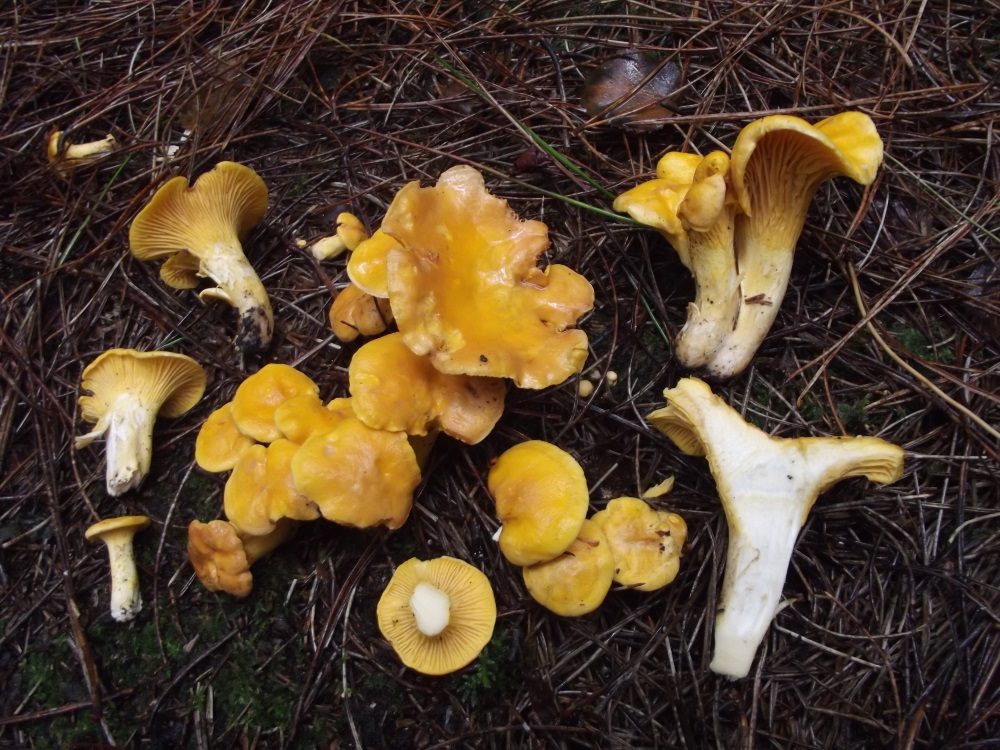
Cantharellus cibarius
Egg-yolk yellow, trumpet-shaped and smelling faintly of apricots. One of the safest and finest edibles once learned.
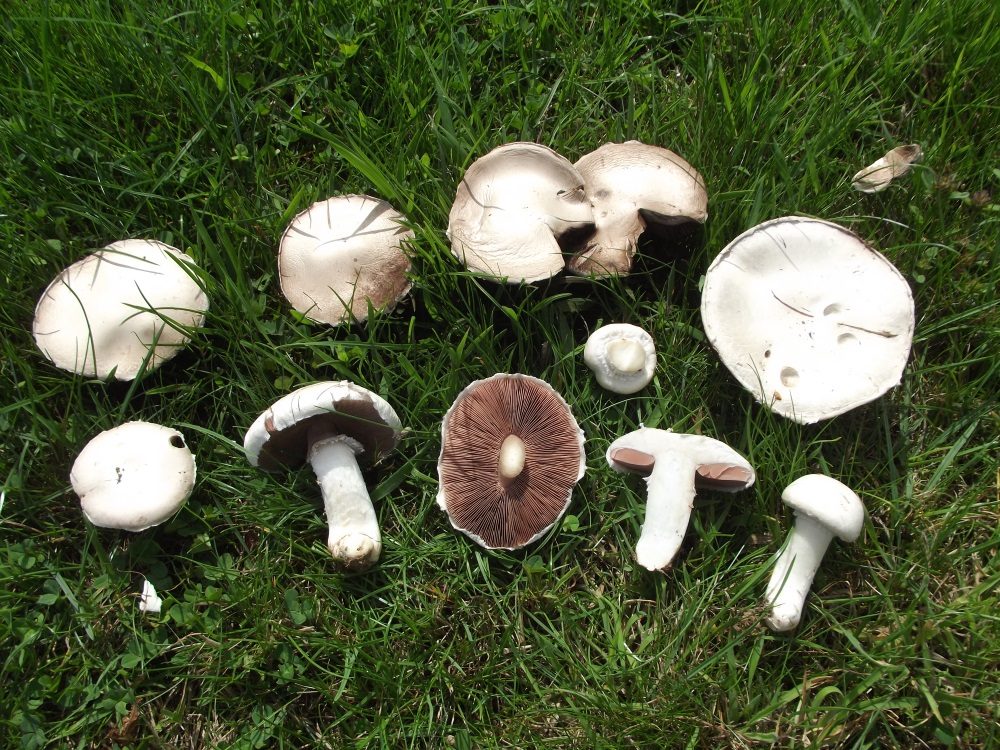
Agaricus campestris
The classic mushroom of unimproved pasture: white cap, pink gills darkening to brown, and a clean mushroomy smell.