Agaricus arvensis · Agaricaceae
A large relative of the field mushroom, smelling of aniseed and bruising slowly yellow in a harmless way.
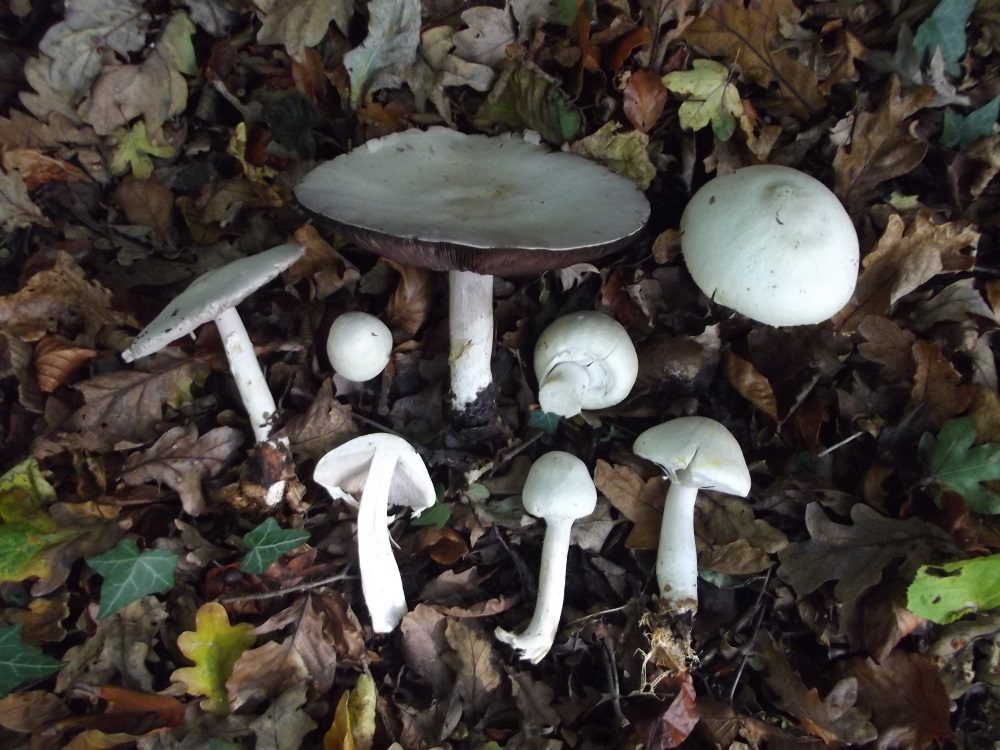
Edible. Aniseed good, ink bad. If it smells of ink or carbolic, throw it out.
Read the full foraging safety guidance.
May to October
Yellow Stainer: instantly bright chrome yellow at the stem base and smells of ink. Deadly white Amanitas have white gills and a volva.
Big enough to stuff and bake. Strong flavoured, so use with restraint.
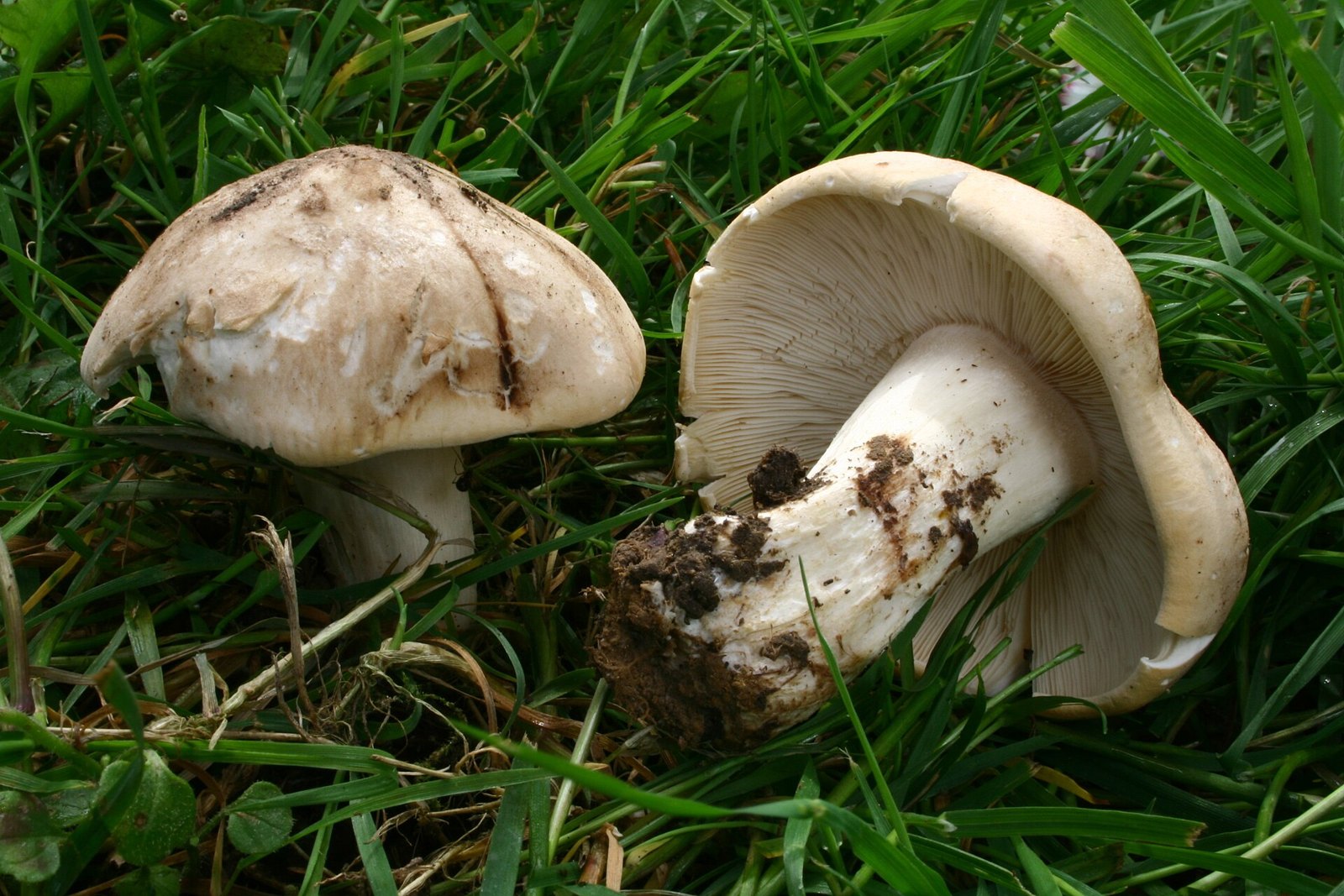
Calocybe gambosa
A solid white spring mushroom of grassland, traditionally appearing around St Georges Day.
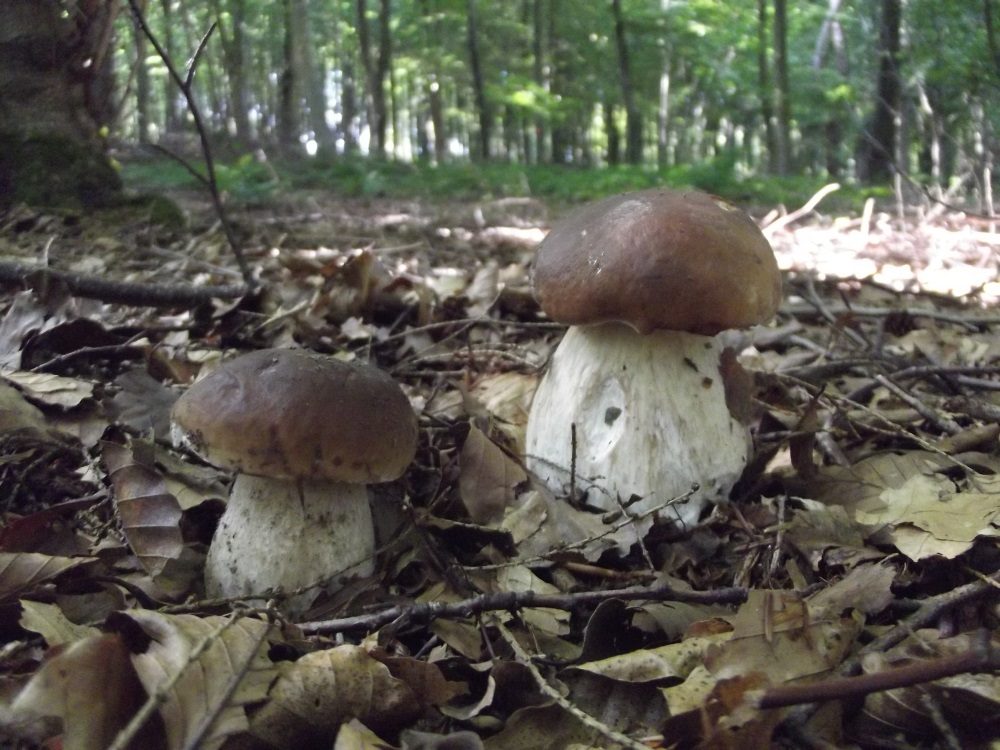
Boletus edulis
The most sought-after wild mushroom in Britain: nutty, firm and richly scented, with a pale bun-like cap and a fat netted stem.
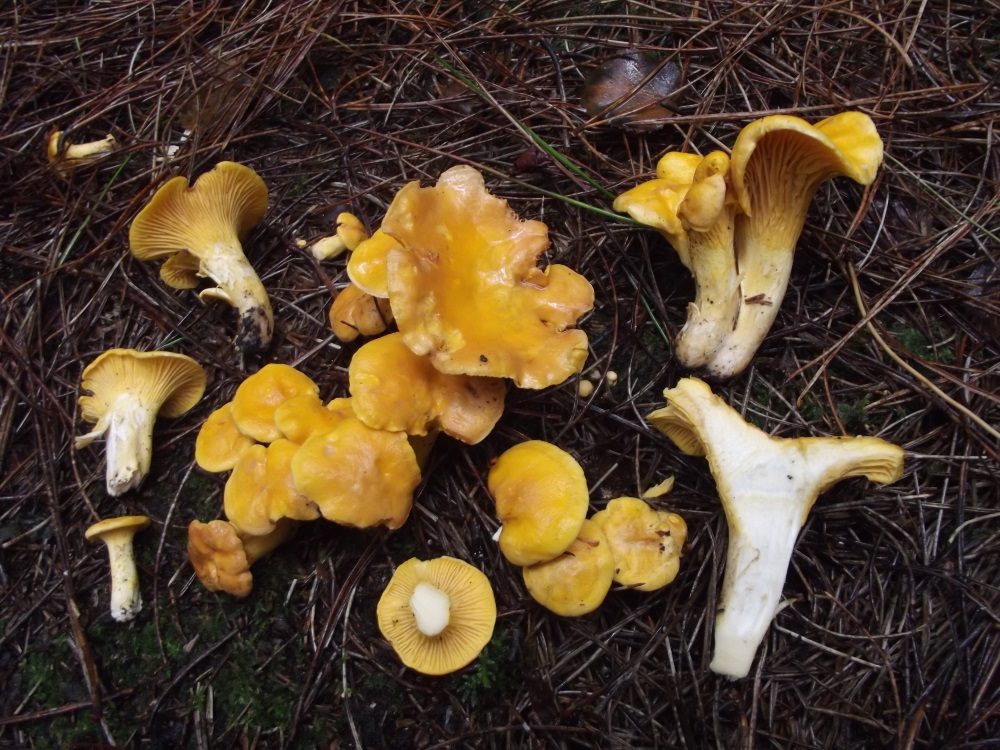
Cantharellus cibarius
Egg-yolk yellow, trumpet-shaped and smelling faintly of apricots. One of the safest and finest edibles once learned.