Wild Mushrooms Online
Species guideIn seasonLookalikesIdentifyRecipesArticlesMembers' findsCoursesForagers ClubSafety
Sign in
Sign inSpecies guideIn seasonLookalikesIdentifyRecipesArticlesMembers' findsCoursesForagers ClubSafety
Wild MushroomsOnline

A UK field guide and foragers club: species, seasons, recipes and the finds our members bring back from the woods.

Learn

Species guideForaging calendarLookalikes comparedRecipesArticles & field notesForaging safety

Take part

Members' findsCourses & eventsForagers ClubRecommended kit

About

About the siteSign in or join

Identification information is offered in good faith for education. Eating wild fungi is always at your own risk, and some species are deadly. Some links to kit are affiliate links, which help pay for the site at no extra cost to you. As an Amazon Associate I earn from qualifying purchases.

© 2026 Wild Mushrooms Online. All rights reserved.

← Species guide

Jelly Ear

Auricularia auricula-judae · Auriculariaceae

Also called Jews Ear, Wood Ear

Edible

Rubbery brown ears growing on elder all year round. The same species sold dried in Chinese cookery.
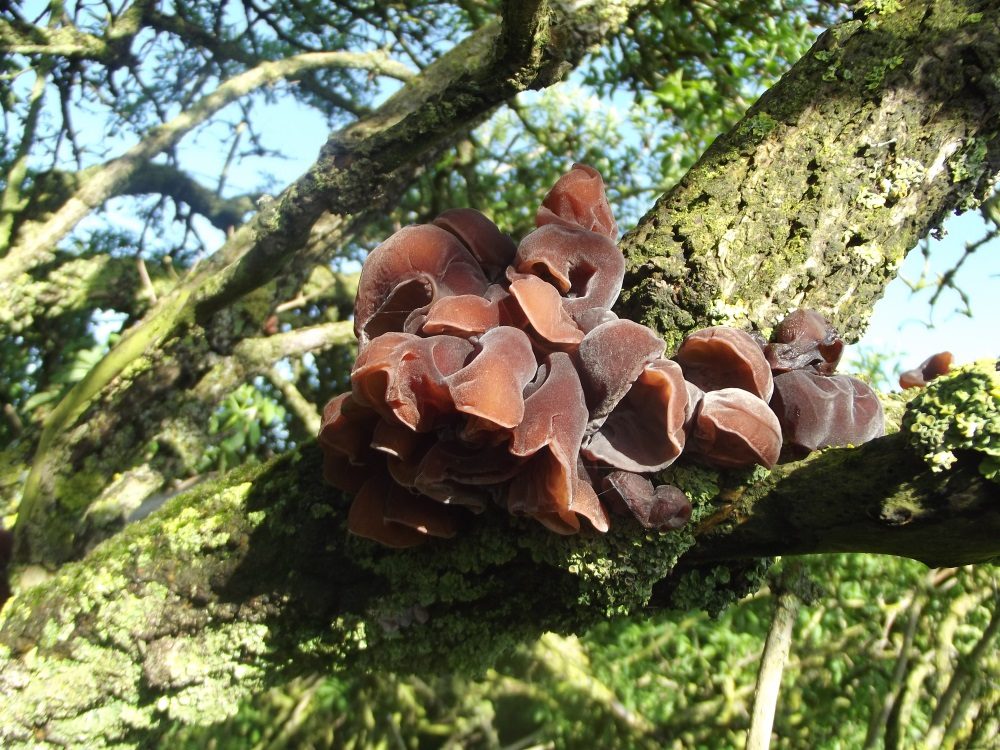
Jelly Ear, photograph 1 of 1
Original photograph · 1 of 1 · Photos alone cannot confirm identification

Edible. None known, though it is very chewy if undercooked.

Read the full foraging safety guidance.

Season

All year

J
F
M
A
M
J
J
A
S
O
N
D

See what else is out in January, February, March, April, May, June, July, August, September, October, November and December.

Where it grows

  • Elder
  • Dead broadleaf wood

Identification

Cap
3-10cm, ear-shaped, tan to dark brown, velvety outside, smooth and veined within.
Gills / pores
None.
Stem
None, attached at one side.
Flesh
Gelatinous and rubbery, drying hard and reviving in water.
Spore print
White.
Smell & taste
Little smell.

Lookalikes

Nothing dangerous. Other jelly fungi are yellow or brain-shaped.

In the kitchen

Slice thinly and simmer in soups and stir-fries for texture rather than flavour. Dries and rehydrates perfectly.
Read more about Jelly Ear

  • Late winter foraging, when the mushrooms are gone

    January and February are the lean months. There is still Velvet Shank and Jelly Ear on the wood, and the first hedgerow greens are worth more than most people think.

Advertisement

Share Facebook X

Useful kit

Affiliate links
  • Opinel No.8 Mushroom Knife

    Curved blade with a boar bristle brush in the handle. The standard foraging knife for good reason.

    Around 20 GBP
  • Traditional Willow Basket

    Open weave so spores drop as you walk and nothing sweats into mush. A plastic bag ruins a haul.

    Around 35 GBP
  • Collins Fungi Guide

    The most complete British field guide in one volume. Heavy, but nothing else comes close for detail.

    Around 30 GBP

As an Amazon Associate I earn from qualifying purchases.

Found one?

Post a photo to the members' feed and let other foragers weigh in before you decide anything.

Post your find →

Also edible

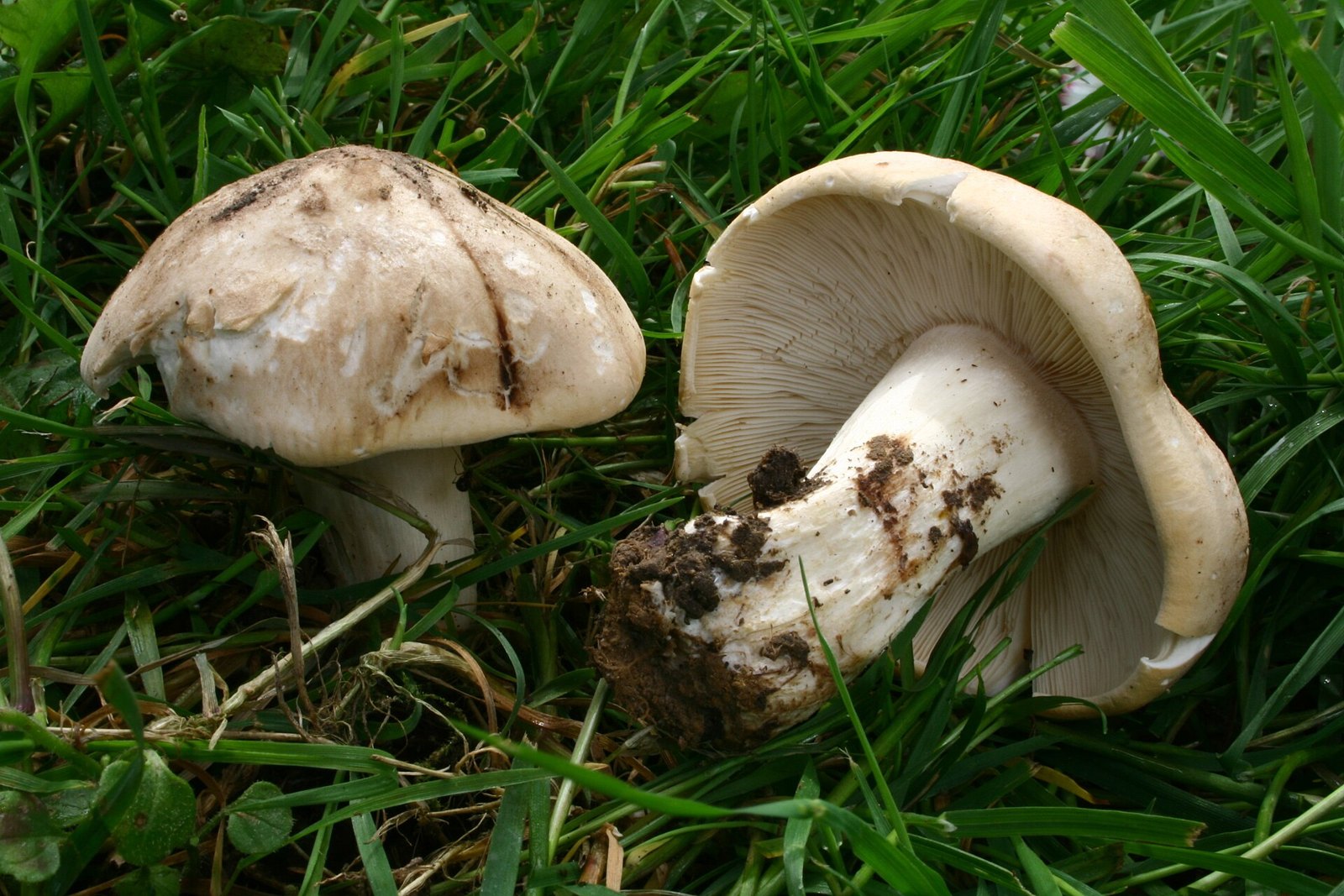
St Georges Mushroom in the field

St Georges Mushroom

Calocybe gambosa

Edible

A solid white spring mushroom of grassland, traditionally appearing around St Georges Day.
J
F
M
A
M
J
J
A
S
O
N
D
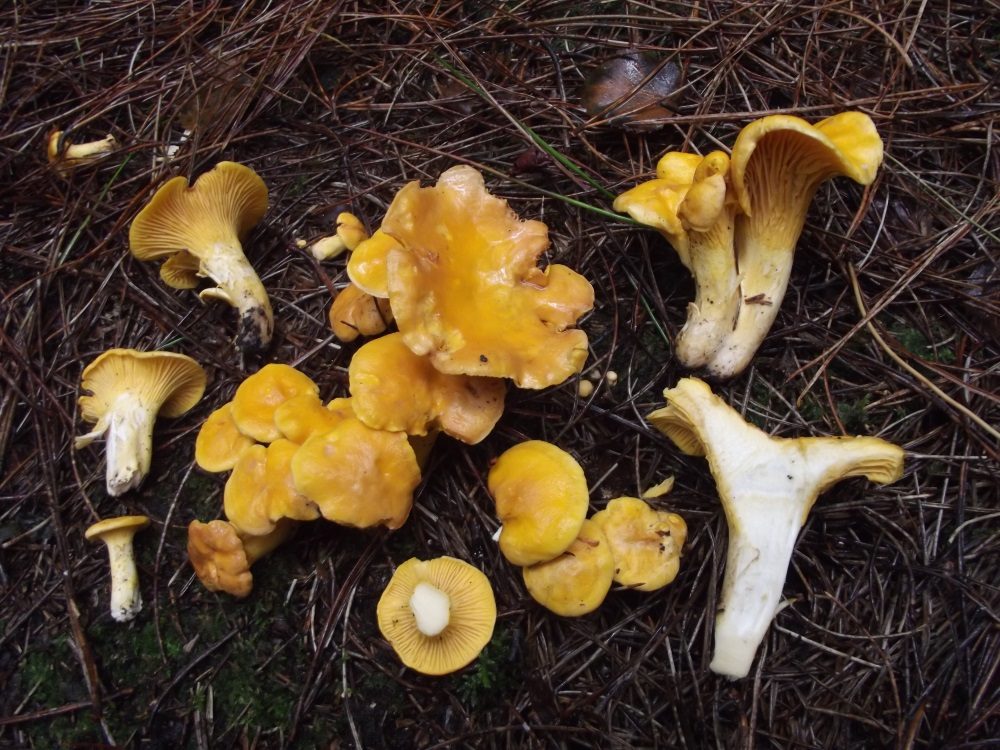
Chanterelle in the field

Chanterelle

Cantharellus cibarius

Edible

Egg-yolk yellow, trumpet-shaped and smelling faintly of apricots. One of the safest and finest edibles once learned.
J
F
M
A
M
J
J
A
S
O
N
D
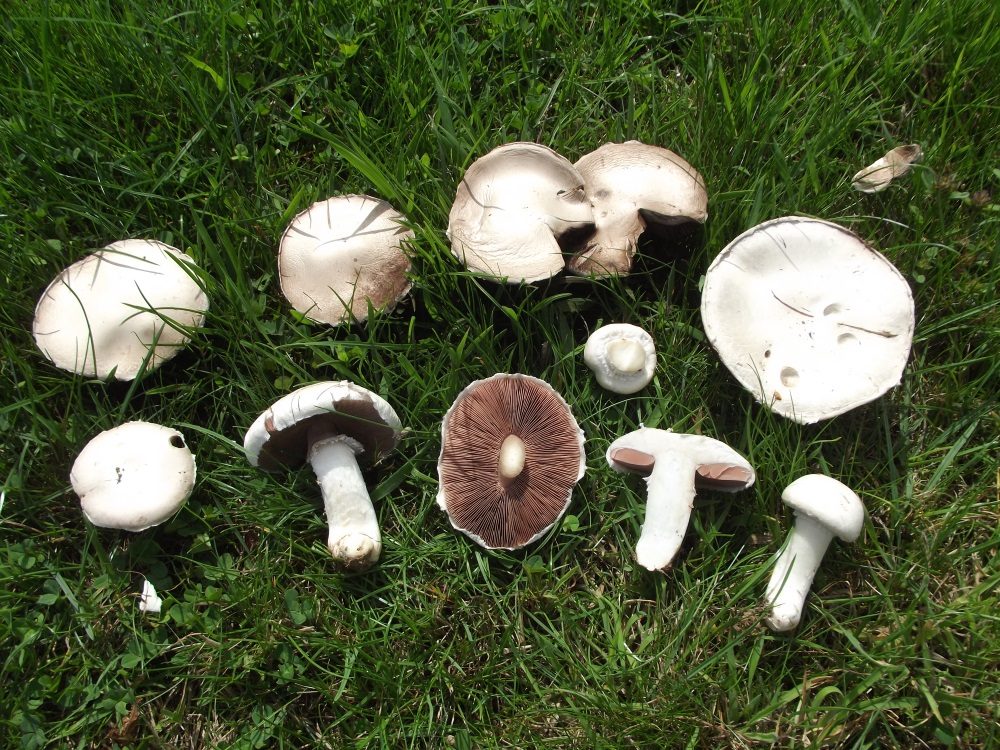
Field Mushroom in the field

Field Mushroom

Agaricus campestris

Edible

The classic mushroom of unimproved pasture: white cap, pink gills darkening to brown, and a clean mushroomy smell.
J
F
M
A
M
J
J
A
S
O
N
D
Edit with