UK species guide
68 British fungi, written up the way you actually use them in the field: what it looks like, when it appears, where it grows, and what dangerous species it can be mistaken for.
Never eat a wild mushroom on the strength of a website alone. Some deadly species look very like good edibles. Check every feature, and get an expert opinion if there is any doubt at all.
Read the full foraging safety guidance.
Checking the weather across the UK…
Showing 5 of 68 species
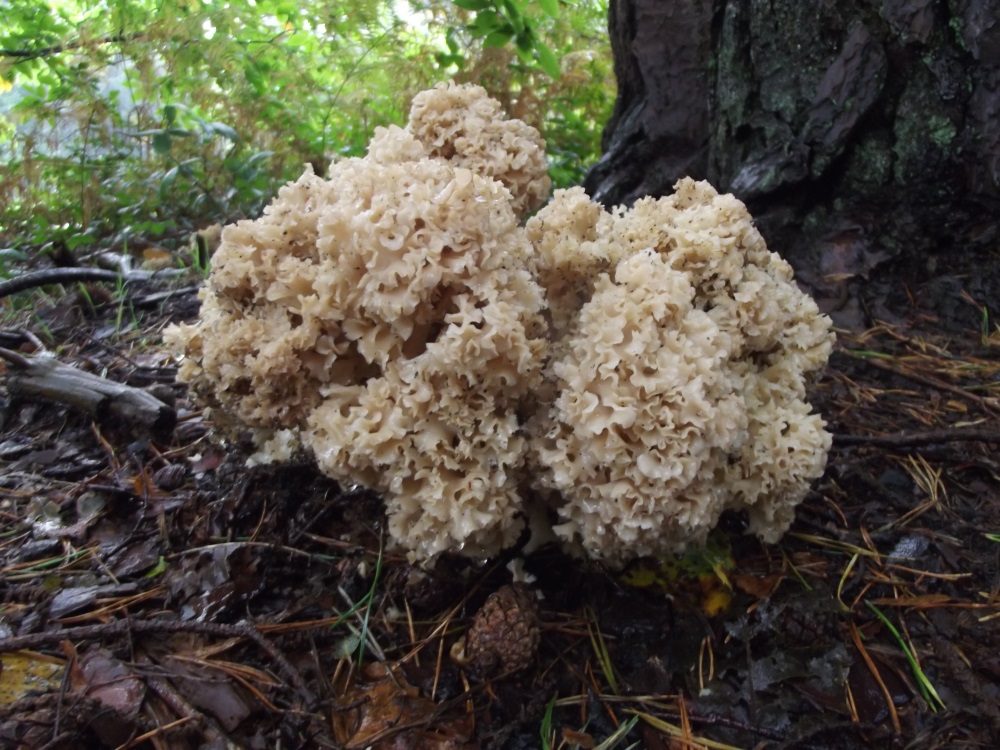
Cauliflower Fungus
Sparassis crispa
A cream coloured mass of wavy lobes at the base of pines, looking like a bath sponge or a cauliflower.
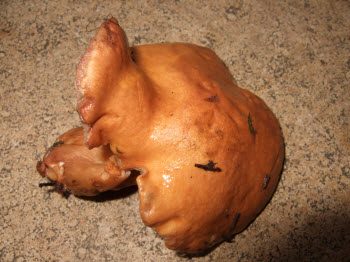
Cow Bolete
Suillus bovinus
A slimy, buff to orange-brown bolete of pine heaths and plantations, recognised by its large compound pores that run down the stem. Chris photographed them on Ludshott Common in November 2009. Edible but rubbery and bland.
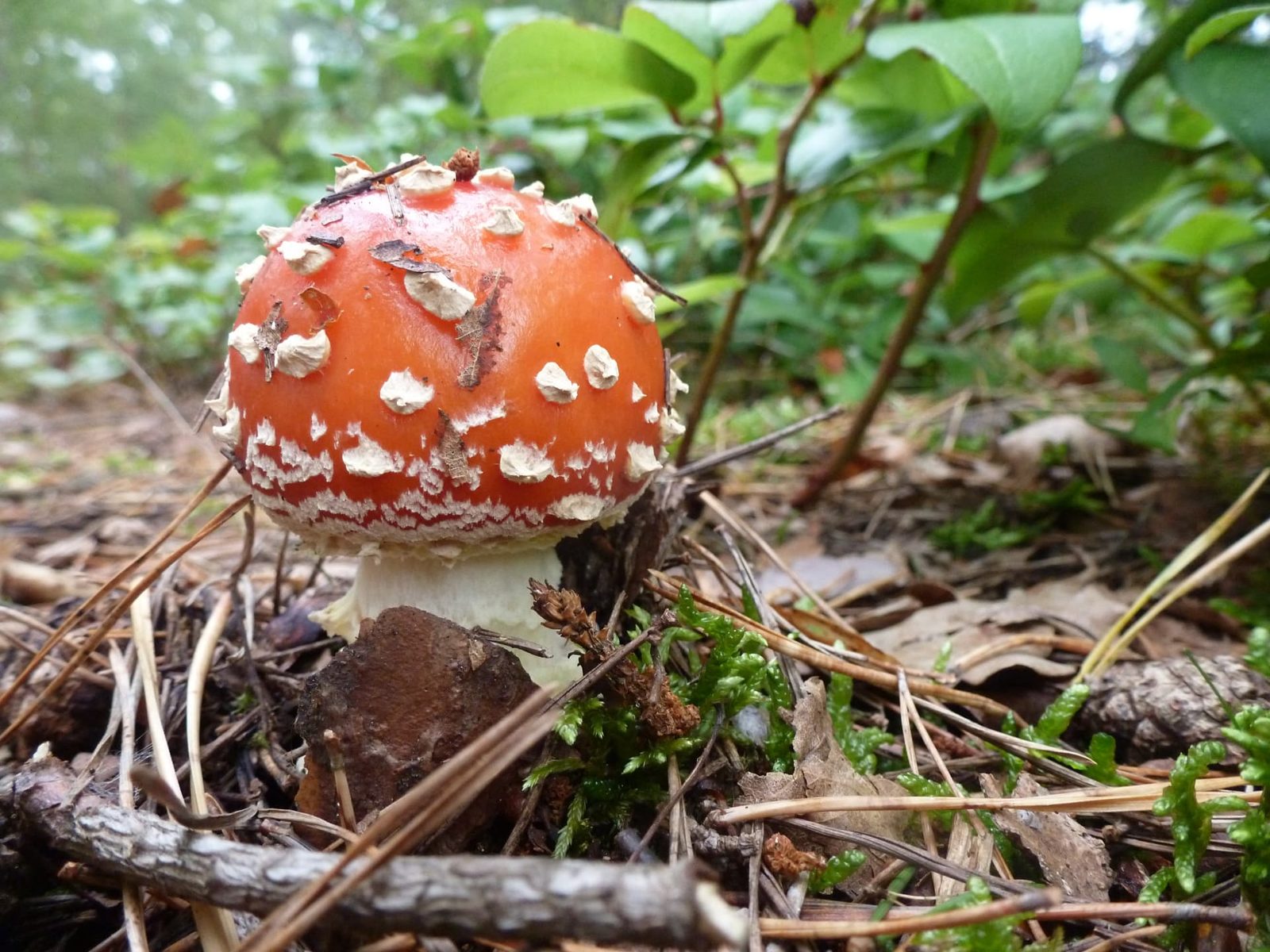
Fly Agaric
Amanita muscaria
The classic red and white toadstool. Hallucinogenic and poisonous. Admire it, do not eat it.
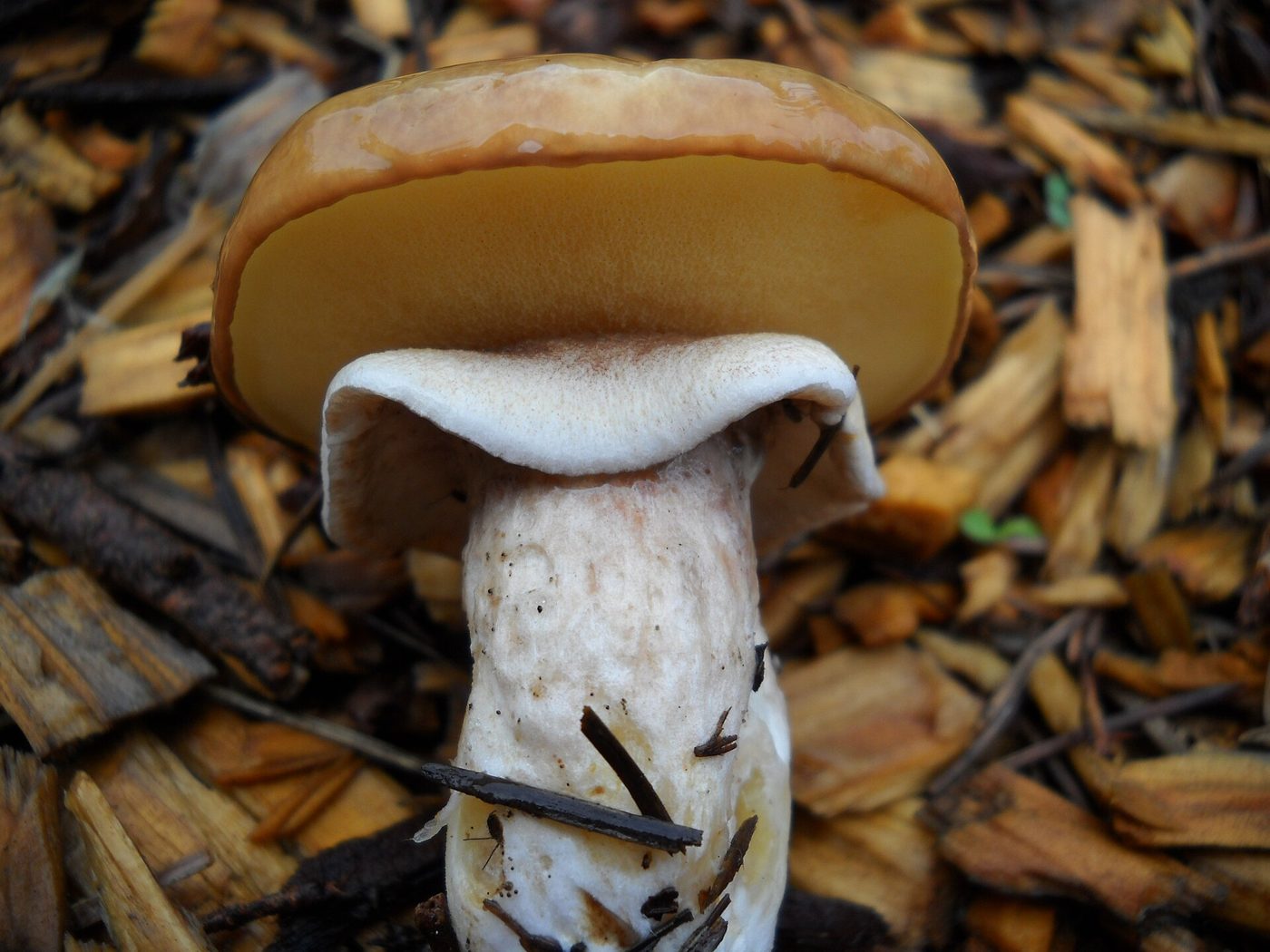
Slippery Jack
Suillus luteus
A chestnut-brown bolete with a cap like wet glue, yellow pores and a big floppy ring on the stem, found only under pines in late summer and autumn. A popular edible once the slimy skin is peeled off, though it disagrees with some people.
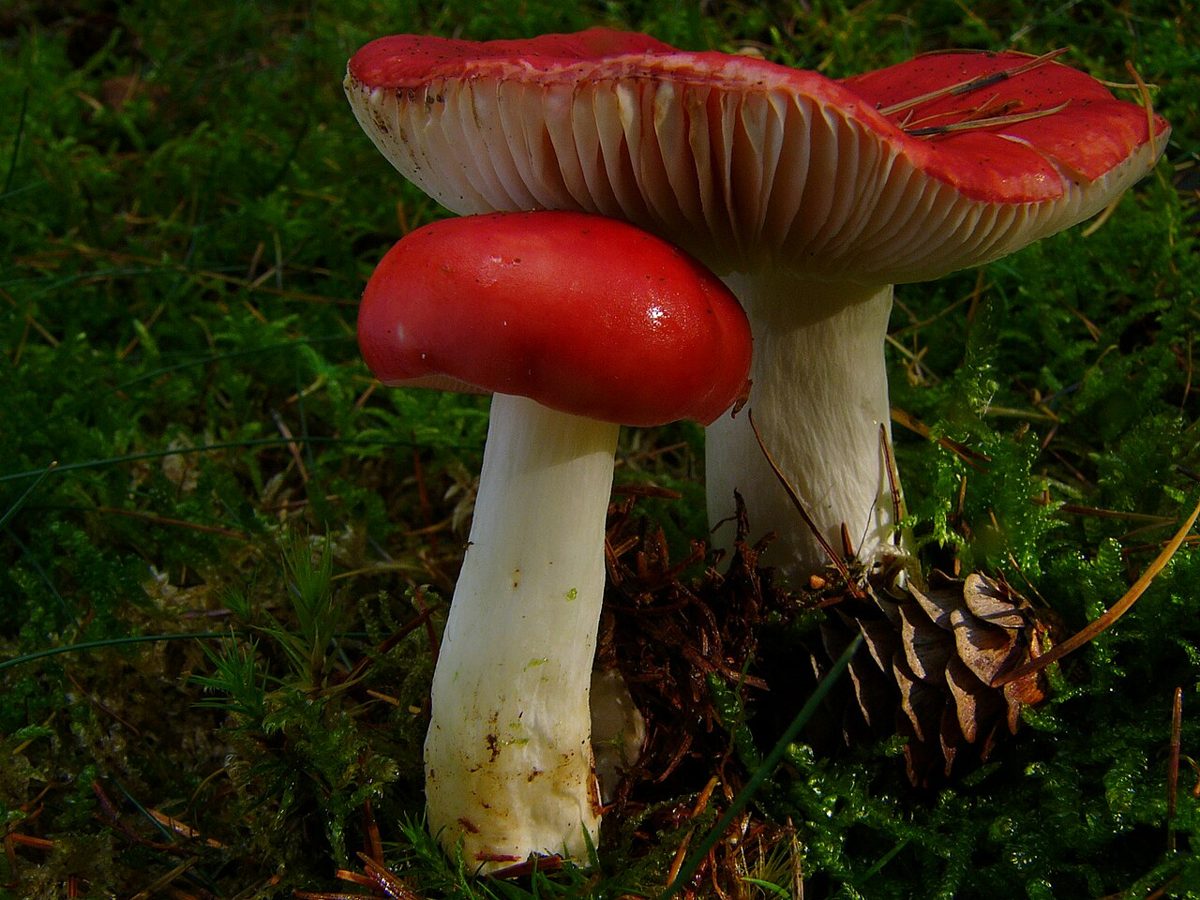
The Sickener
Russula emetica
The classic scarlet brittlegill of pine woods and boggy heaths, with pure white gills and stem. Its name says it all: it causes vomiting and diarrhoea, and its taste is burning hot.