
From the old site's diary, 8 September 2008. I set out to forage around Headley Down and the woods at Haslemere. It wasn't a great day for edible ceps, but there was a good spread of species, and one find I'll never forget.
The roadside monster
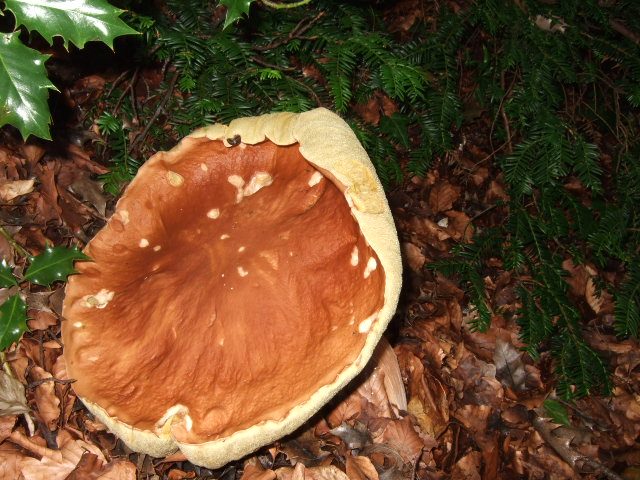
Almost outside the gates of my daughter's nursery in Haslemere, right by the side of the road, was the biggest cep I have ever seen. It was nearly untouched, just a few slug bites, but already too old to be really good to eat. Had I seen it 24 hours earlier it would have been a different story.
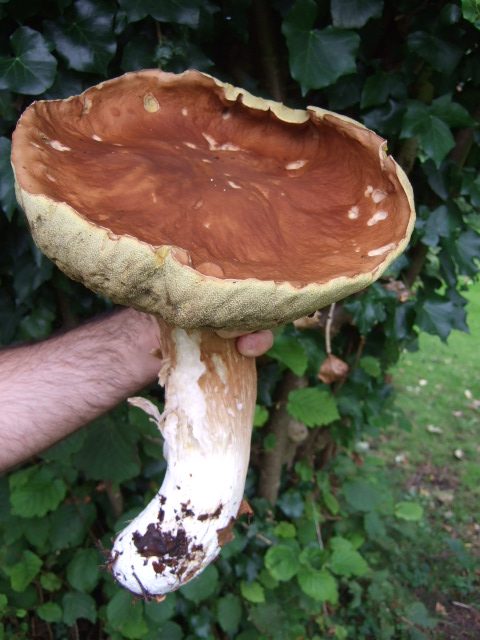
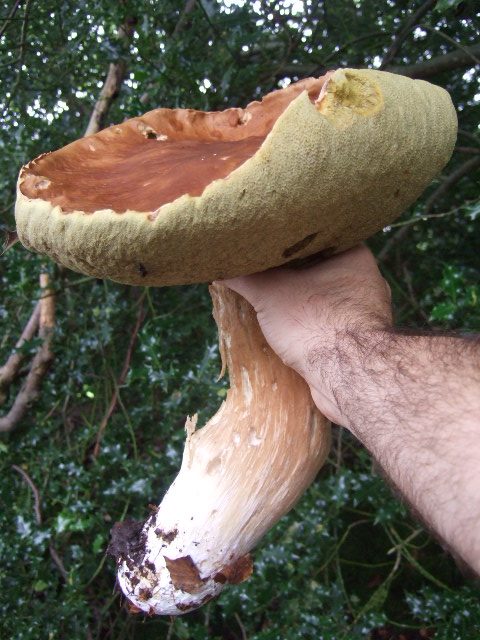
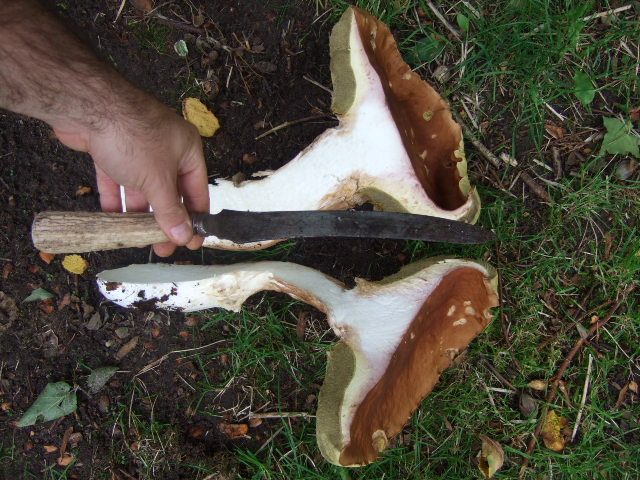
It measured over 15 inches long and 10 inches across the cap, and weighed exactly 4lb. Split open, the flesh was white and did not discolour.
Back on Headley Down
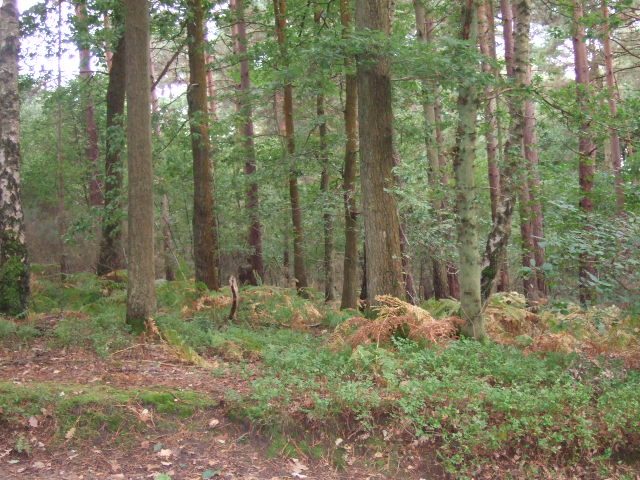
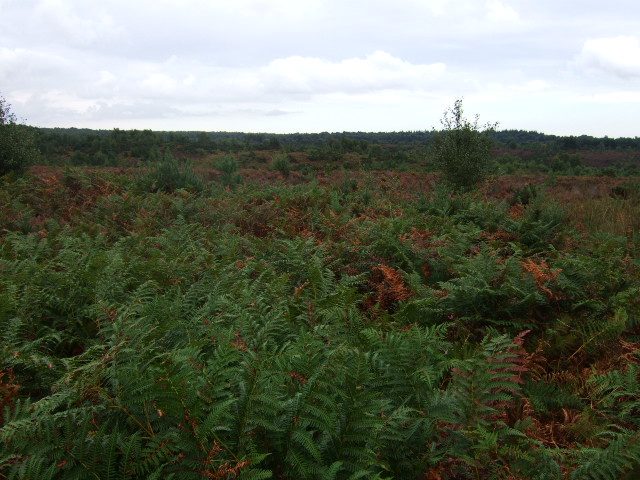
After that excitement I walked my usual route round Headley Down, the Headley Down end of Ludshott Common. It has some lovely wooded sections, ancient in parts, and the heath itself is very old.
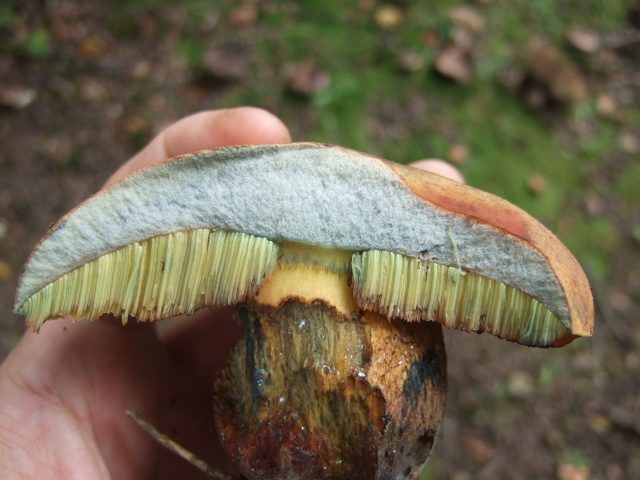
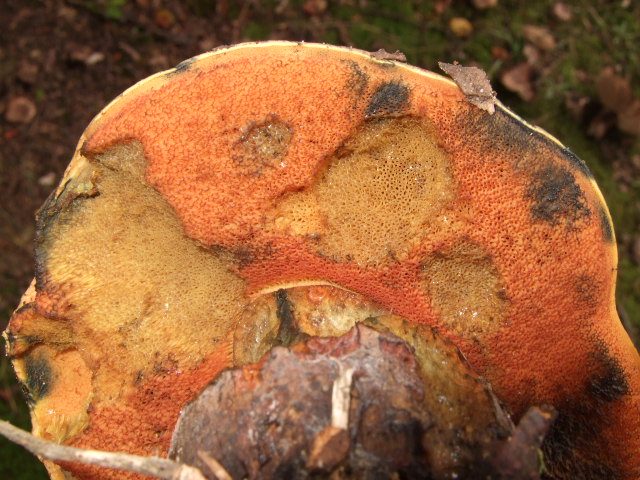
I was fairly sure (it was past its best) that this was the Scarlet-stemmed or Bitter Beech Bolete, now called Caloboletus calopus. I cut it in half to show how some boletes turn blue when cut. It is bitter and not edible, and was growing on sandy soil, as it was here. The underside had been mostly eaten by slugs.
I also found a knight cap I couldn't name with confidence. It was either the poisonous Tiger Knight (Tricholoma pardinum) or a dark-scaled relative. The smell, somewhere between a mushroom and my old wellies in the potting shed, didn't settle it. That's exactly why you leave a knight cap alone unless you are certain.
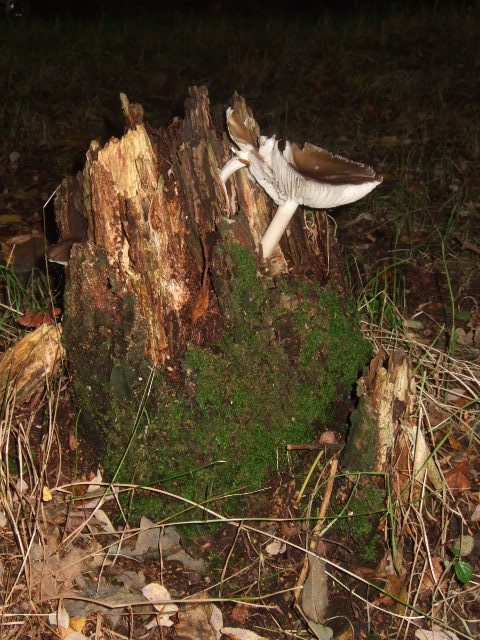
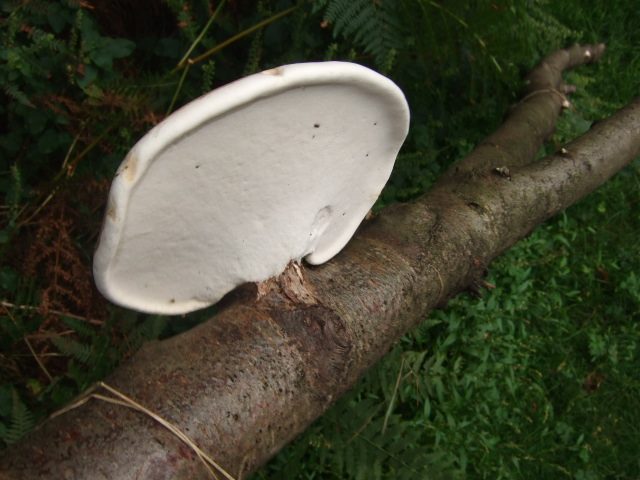
There was a pale mushroom I took to be an Entoloma. That is another group to treat with real caution, because several are poisonous and they're hard to name without a microscope. I also saw a Common Earthball (Scleroderma citrinum), which is poisonous and sometimes mistaken for a young puffball.
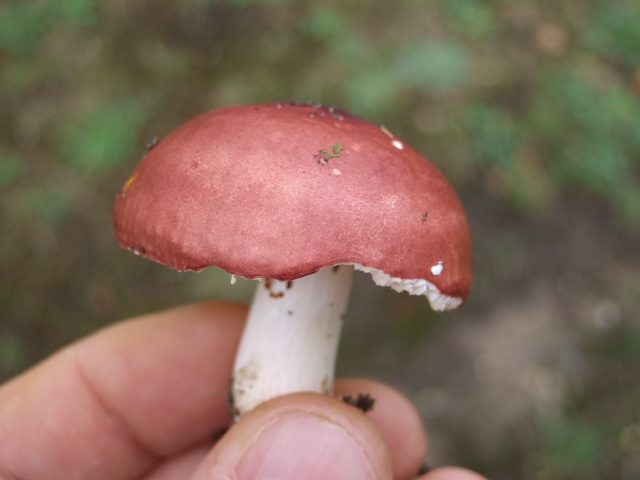
There was also a lovely little red Russula, the Beechwood Sickener (Russula nobilis), which is poisonous and fiercely peppery if you taste it.
What I take with me
A hat with a peak, ideally wide-brimmed, keeps the rain off your neck and shades your eyes so it's easier to spot fungi. A cane or stick lets you move undergrowth without bending all the time. Carry an open basket, never a plastic bag, so the fungi don't sweat and brown. And take a small knife and brush for cleaning. Mine hangs on my belt.
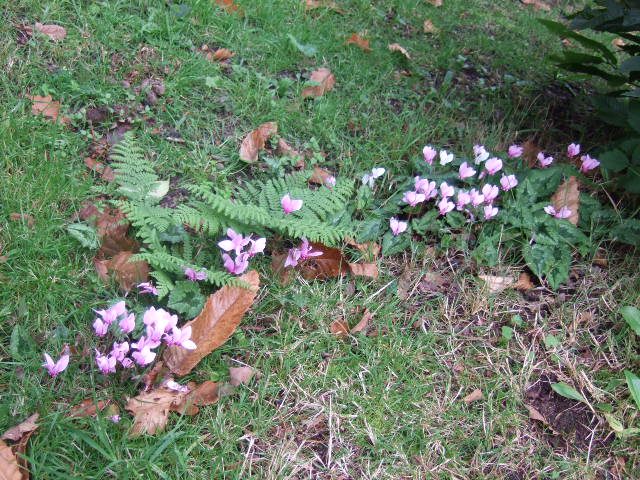
Lastly, there were wild cyclamen in flower. There is a lot of beauty to be found when you're out foraging.
Looking back in 2026
Names have changed since 2008, and the Scarlet-stemmed Bolete is now Caloboletus calopus. My advice hasn't: if you can't name it with certainty, photograph it and leave it.