Hydnum repandum · Hydnaceae
Also called Wood Hedgehog, Pied de Mouton
Buff coloured with soft spines instead of gills. Almost impossible to confuse with anything dangerous.
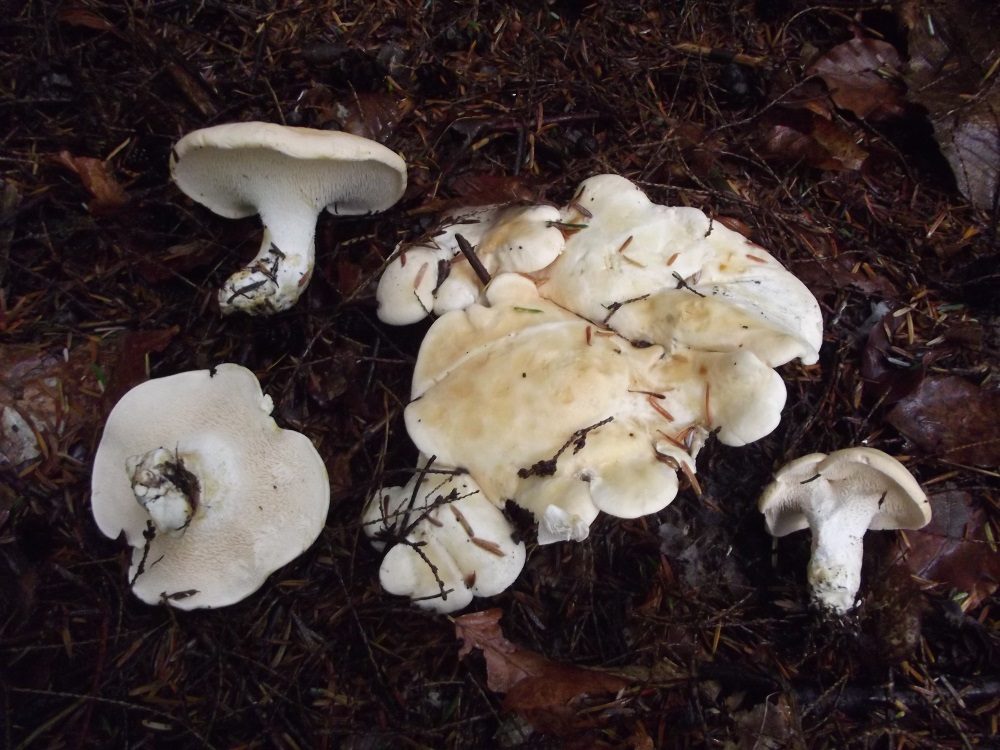
Edible. Older specimens turn bitter.
Read the full foraging safety guidance.
August to November
Nothing dangerous in Britain shares the soft spines with this shape and colour.
Cook a little longer than other mushrooms. Keeps well and holds its texture in stews.
Wild Mushrooms on Toast
The honest test of any wild mushroom. Butter, a hot pan, good bread and nothing to hide behind.
Cheat's wild mushroom risotto
The original oven-baked risotto from the old Wild Mushrooms Online recipe pages. No standing over the pan stirring for half an hour - the oven does the work while you lay the table. Dried ceps give the depth, fresh wild mushrooms give the texture.
Rich wild woodland mushroom soup
A thick, dark, thoroughly old-fashioned soup thickened with stale bread rather than flour. It was written for a big autumn haul of mixed woodland mushrooms and it is still the best way to use a basket of odds and ends.
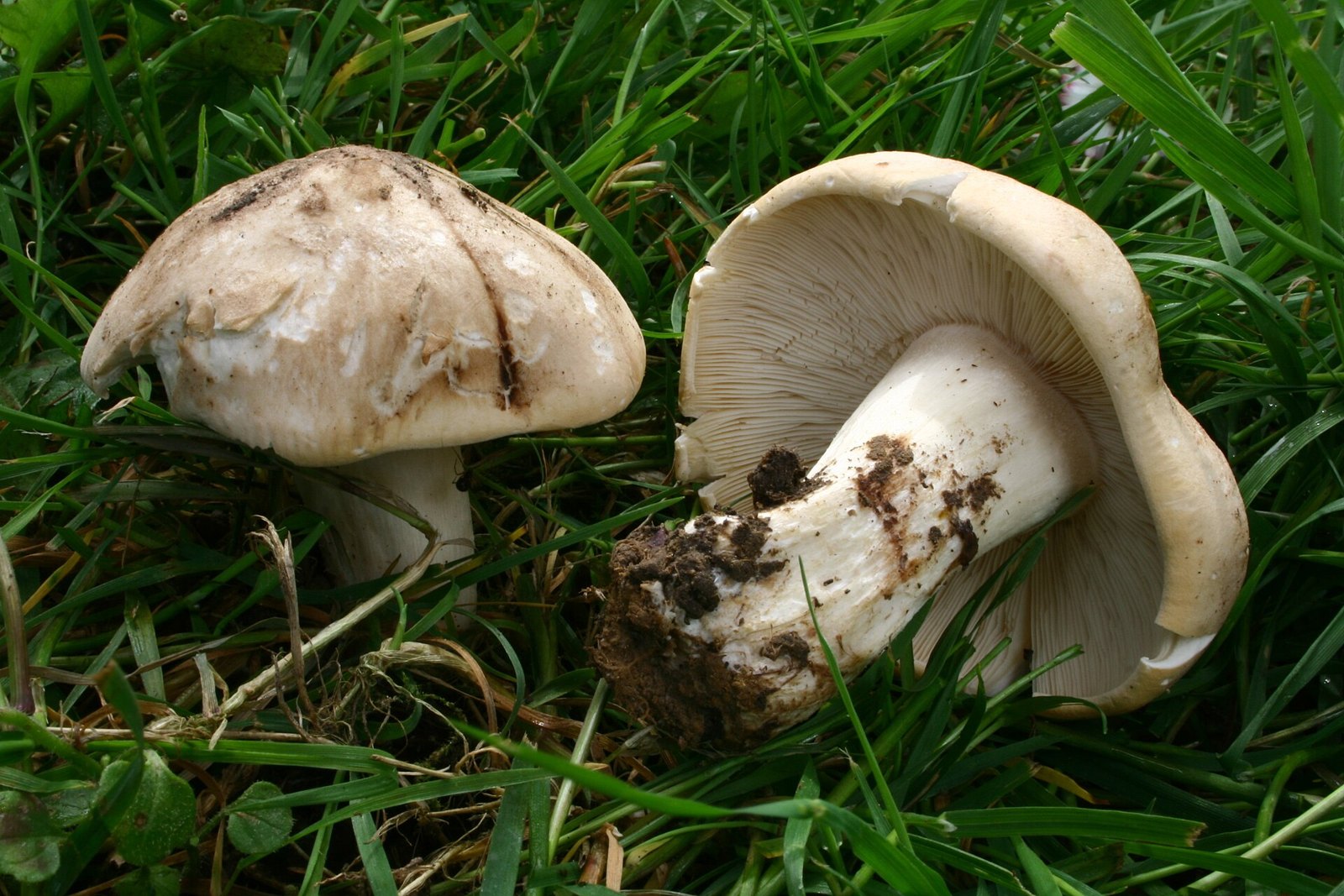
Calocybe gambosa
A solid white spring mushroom of grassland, traditionally appearing around St Georges Day.
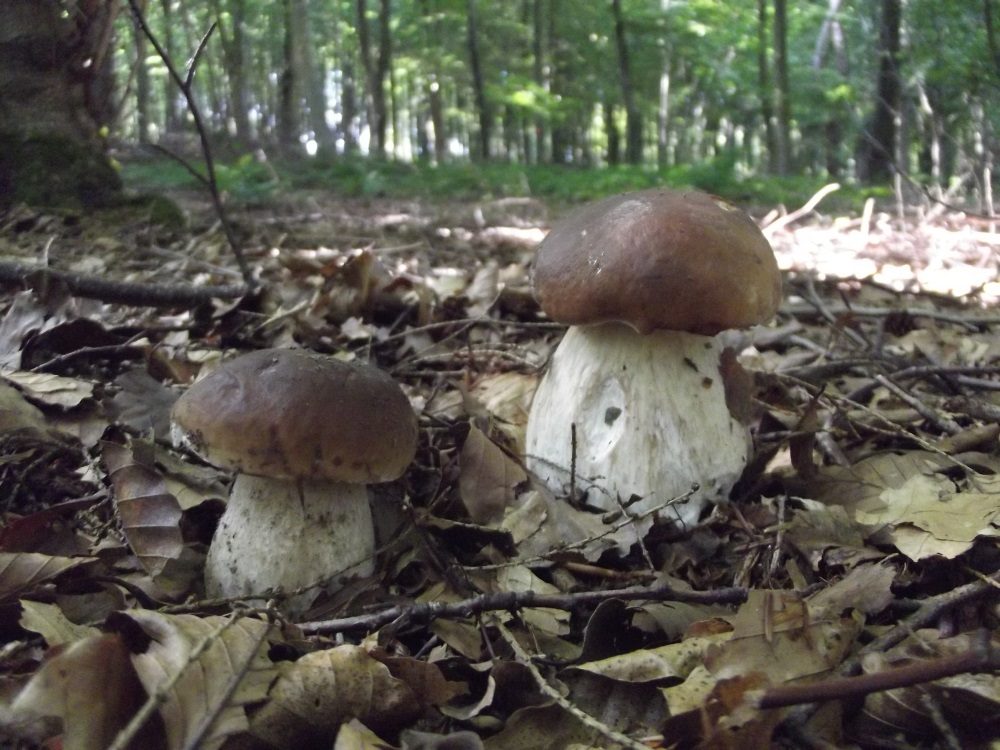
Boletus edulis
The most sought-after wild mushroom in Britain: nutty, firm and richly scented, with a pale bun-like cap and a fat netted stem.
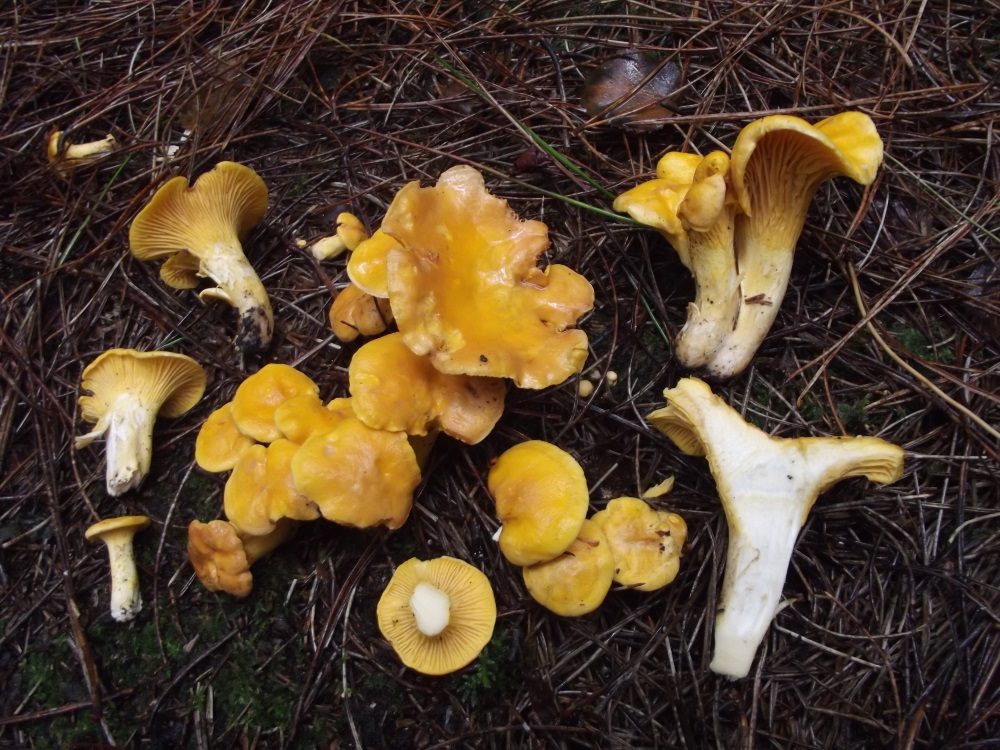
Cantharellus cibarius
Egg-yolk yellow, trumpet-shaped and smelling faintly of apricots. One of the safest and finest edibles once learned.