Pleurotus ostreatus · Pleurotaceae
Shell-shaped tiers on dead broadleaf wood, often after the first cold snap.
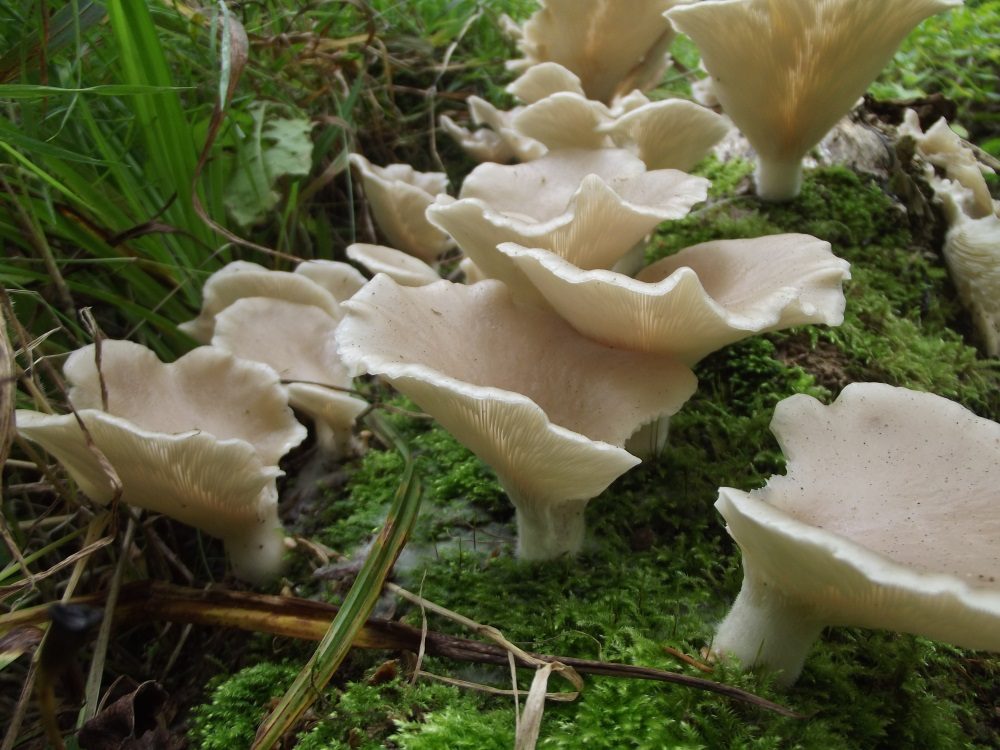
Edible. Only take grey to brown oysters from broadleaf wood. Avoid thin pure-white brackets on conifers.
Read the full foraging safety guidance.
All year
Angels Wings (Pleurocybella porrigens) is pure thin white on conifer wood and has caused deaths. Ozone Oyster and Branching Oyster are edible relatives.
Tear rather than cut, fry hard so the edges crisp. Do not stew to mush.
Wild Mushrooms on Toast
The honest test of any wild mushroom. Butter, a hot pan, good bread and nothing to hide behind.
Rich wild woodland mushroom soup
A thick, dark, thoroughly old-fashioned soup thickened with stale bread rather than flour. It was written for a big autumn haul of mixed woodland mushrooms and it is still the best way to use a basket of odds and ends.
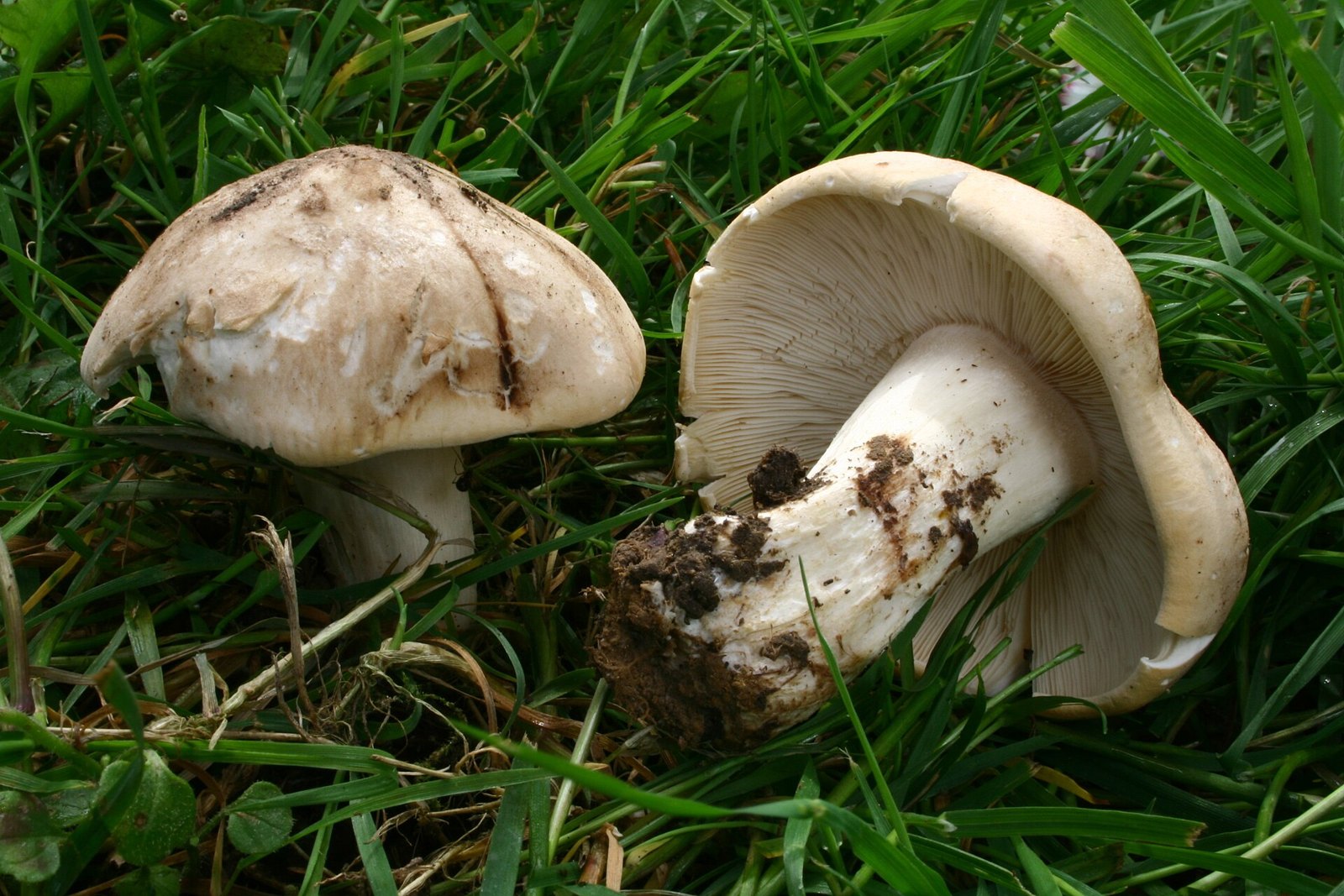
Calocybe gambosa
A solid white spring mushroom of grassland, traditionally appearing around St Georges Day.
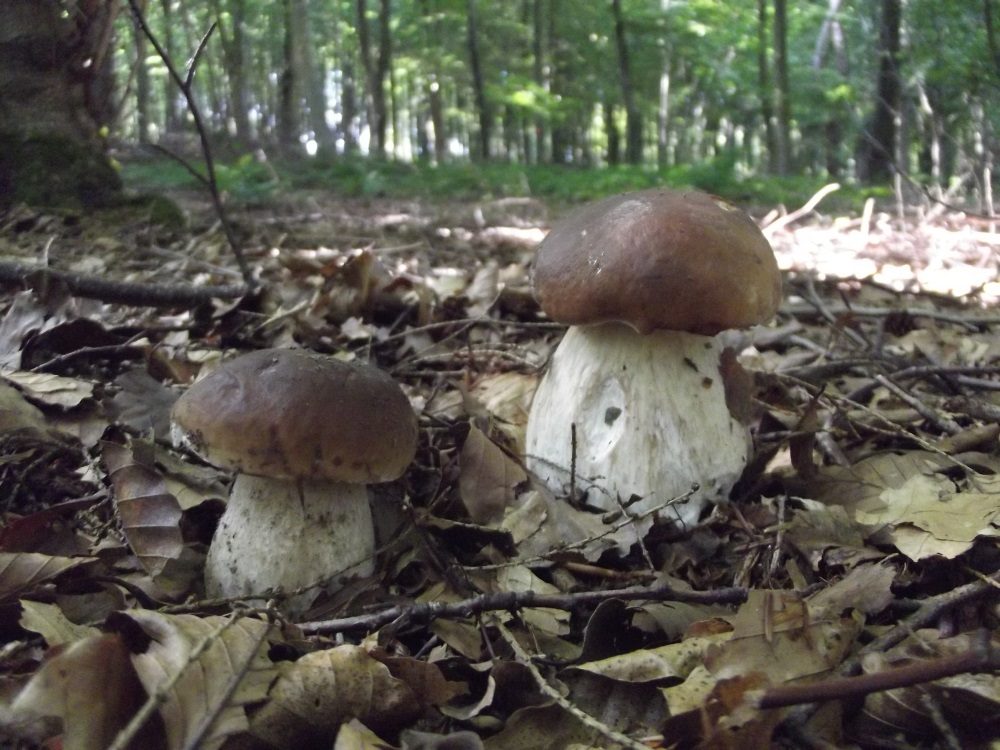
Boletus edulis
The most sought-after wild mushroom in Britain: nutty, firm and richly scented, with a pale bun-like cap and a fat netted stem.
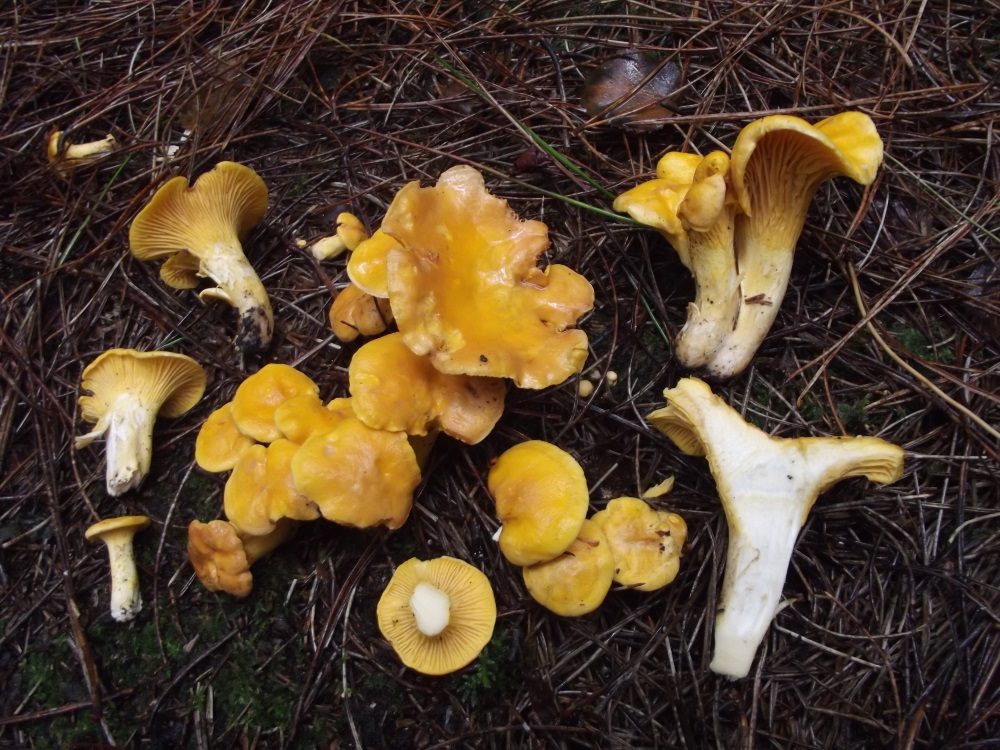
Cantharellus cibarius
Egg-yolk yellow, trumpet-shaped and smelling faintly of apricots. One of the safest and finest edibles once learned.