Wild Mushrooms Online
Species guideIn seasonLookalikesIdentifyRecipesArticlesMembers' findsCoursesForagers ClubSafety
Sign in
Sign inSpecies guideIn seasonLookalikesIdentifyRecipesArticlesMembers' findsCoursesForagers ClubSafety
Wild MushroomsOnline

A UK field guide and foragers club: species, seasons, recipes and the finds our members bring back from the woods.

Learn

Species guideForaging calendarLookalikes comparedRecipesArticles & field notesForaging safety

Take part

Members' findsCourses & eventsForagers ClubRecommended kit

About

About the siteSign in or join

Identification information is offered in good faith for education. Eating wild fungi is always at your own risk, and some species are deadly. Some links to kit are affiliate links, which help pay for the site at no extra cost to you. As an Amazon Associate I earn from qualifying purchases.

© 2026 Wild Mushrooms Online. All rights reserved.

← Species guide

Saffron Milkcap

Lactarius deliciosus · Russulaceae

Also called Delicious Milkcap, Red Pine Mushroom

Edible

The prize pine-wood milkcap: carrot-orange flesh and milk that stains green, commonest in September and October wherever Scots pine grows.
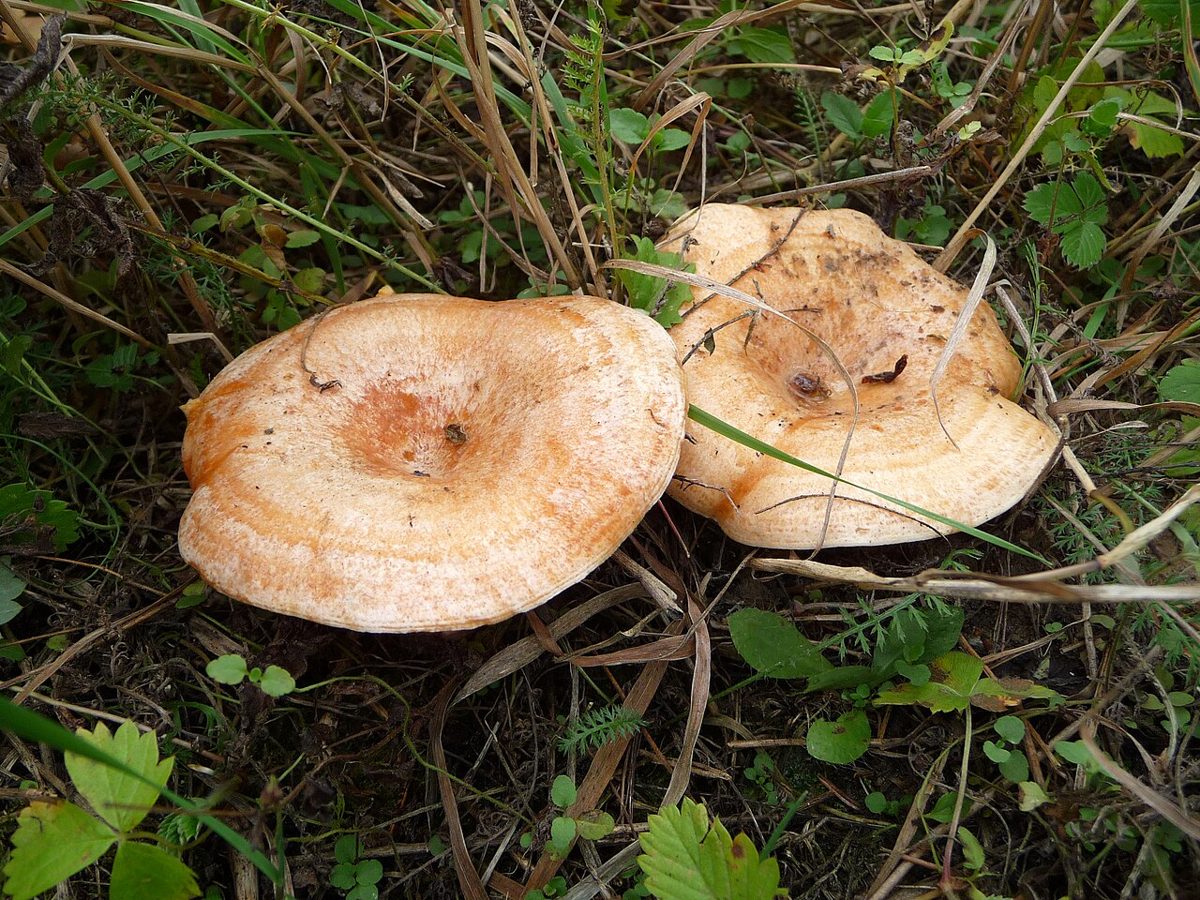
Saffron Milkcap, photograph 1 of 4
Photo: George Chernilevsky, Public domain · 1 of 4 · Photos alone cannot confirm identification

Edible. Nick a gill or the stem flesh and watch the milk: carrot-orange milk that stains green, with pines overhead, is the Saffron Milkcap. A milkcap in a pine wood that bleeds white milk is a different species and should be left. Cook thoroughly - raw milkcaps upset some stomachs.

Read the full foraging safety guidance.

Season

July to November

J
F
M
A
M
J
J
A
S
O
N
D

Where it grows

  • Pine woodland
  • Pine plantations
  • Sandy and acid soils
  • Conifer litter

Identification

Cap
4-14cm, carrot-orange to brick-orange with darker concentric rings; convex with an inrolled margin when young, becoming funnel-shaped. Granular and sticky when wet, often with dull pistachio-green patches with age.
Gills / pores
Orange, crowded and running a short way down the stem; bruising green where damaged.
Stem
2-8cm, orange, often paler than the cap, shallowly pitted with darker orange marks, hollow with age.
Flesh
Orange, firm and hard to break, becoming paler towards the centre of the stem.
Spore print
Pale ochre to pale salmon.
Smell & taste
Fruity. The milk is carrot-orange, mild then slightly bitter, and stains green as it dries.

Lookalikes

False Saffron Milkcap (Lactarius deterrimus) usually grows under spruce. Carrot Milkcap (Lactarius quieticolor) is smaller and its milk reddens before greening. Bloody Milkcap (Lactarius semisanguifluus) bleeds red rather than carrot-orange. Woolly Milkcap (Lactarius torminosus) has a shaggy cap edge and white milk.

In the kitchen

Best fried or grilled rather than boiled; young firm caps are best. It will turn the whole dish orange.
Compare with its lookalikes

  • Saffron Milkcap vs Other Pine Milkcaps

    How do I know a pine-wood milkcap is a Saffron Milkcap?

Advertisement

Share Facebook X

Useful kit

Affiliate links
  • Opinel No.8 Mushroom Knife

    Curved blade with a boar bristle brush in the handle. The standard foraging knife for good reason.

    Around 20 GBP
  • Traditional Willow Basket

    Open weave so spores drop as you walk and nothing sweats into mush. A plastic bag ruins a haul.

    Around 35 GBP
  • Collins Fungi Guide

    The most complete British field guide in one volume. Heavy, but nothing else comes close for detail.

    Around 30 GBP

As an Amazon Associate I earn from qualifying purchases.

Found one?

Post a photo to the members' feed and let other foragers weigh in before you decide anything.

Post your find →

Also edible

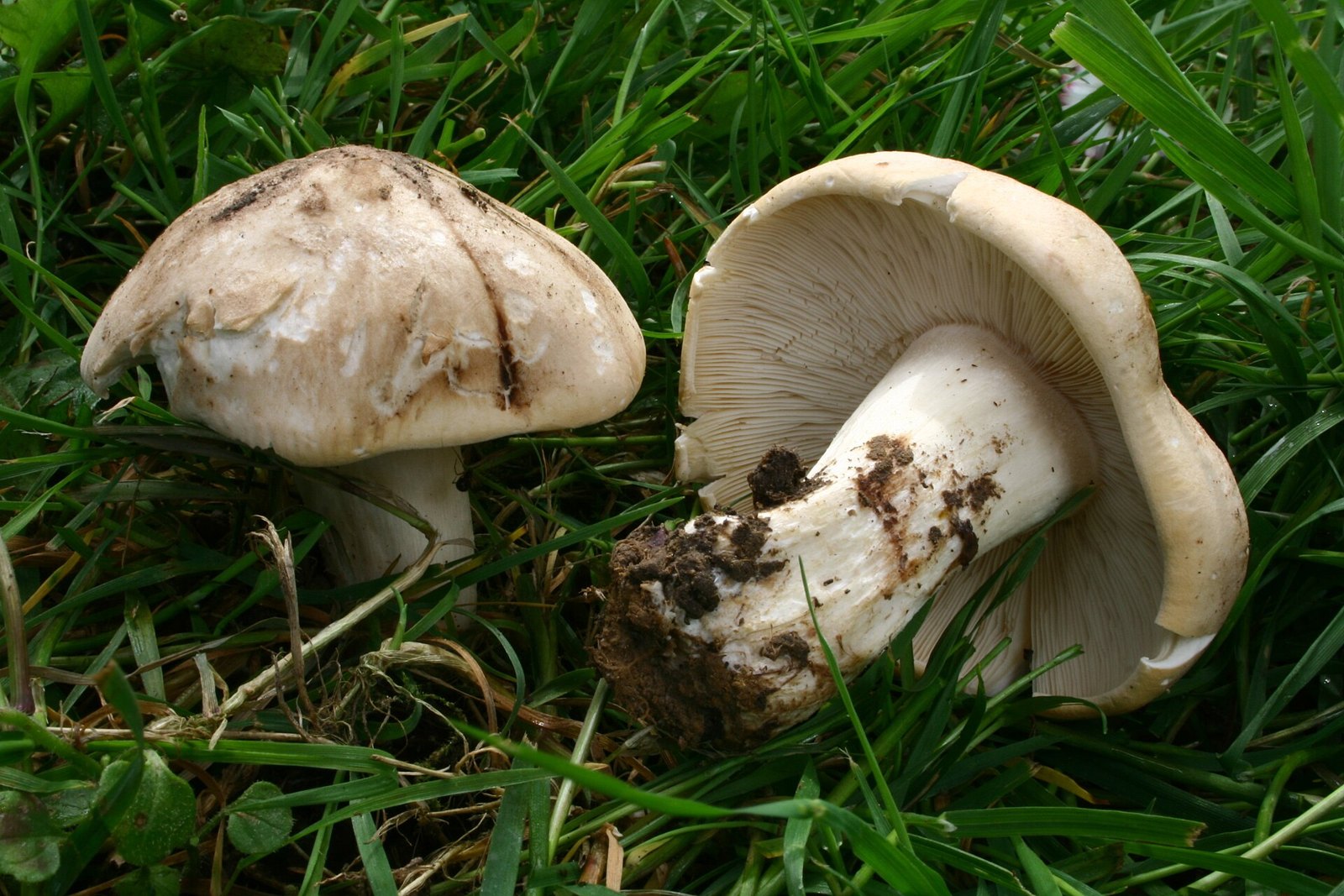
St Georges Mushroom in the field

St Georges Mushroom

Calocybe gambosa

Edible

A solid white spring mushroom of grassland, traditionally appearing around St Georges Day.
J
F
M
A
M
J
J
A
S
O
N
D
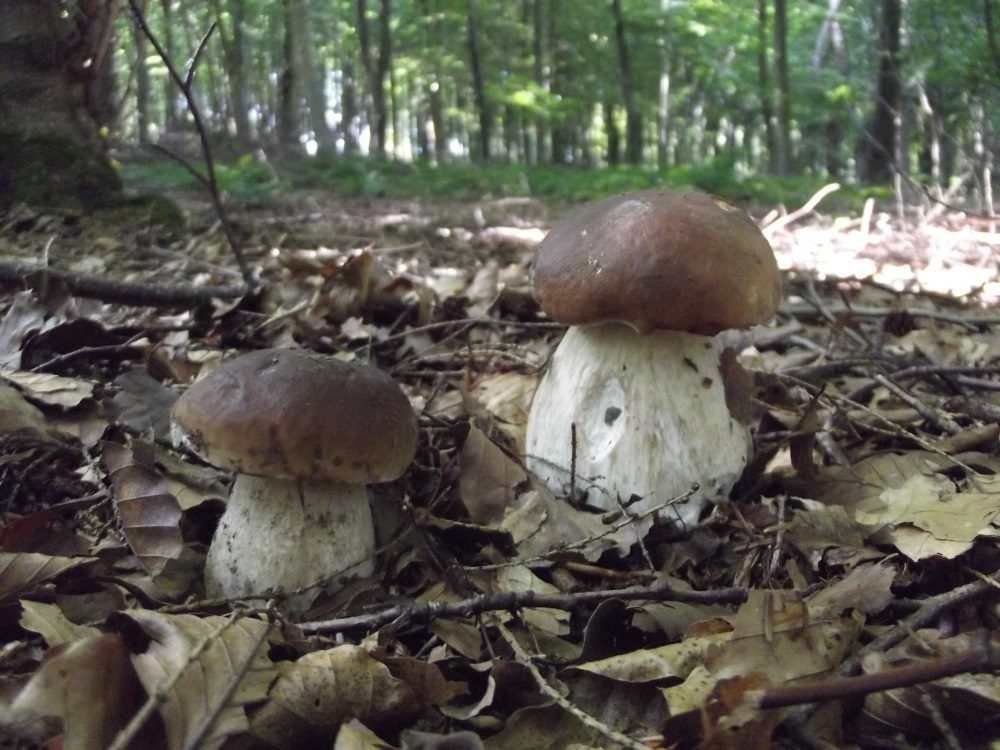
Penny Bun in the field

Penny Bun

Boletus edulis

Edible

The most sought-after wild mushroom in Britain: nutty, firm and richly scented, with a pale bun-like cap and a fat netted stem.
J
F
M
A
M
J
J
A
S
O
N
D
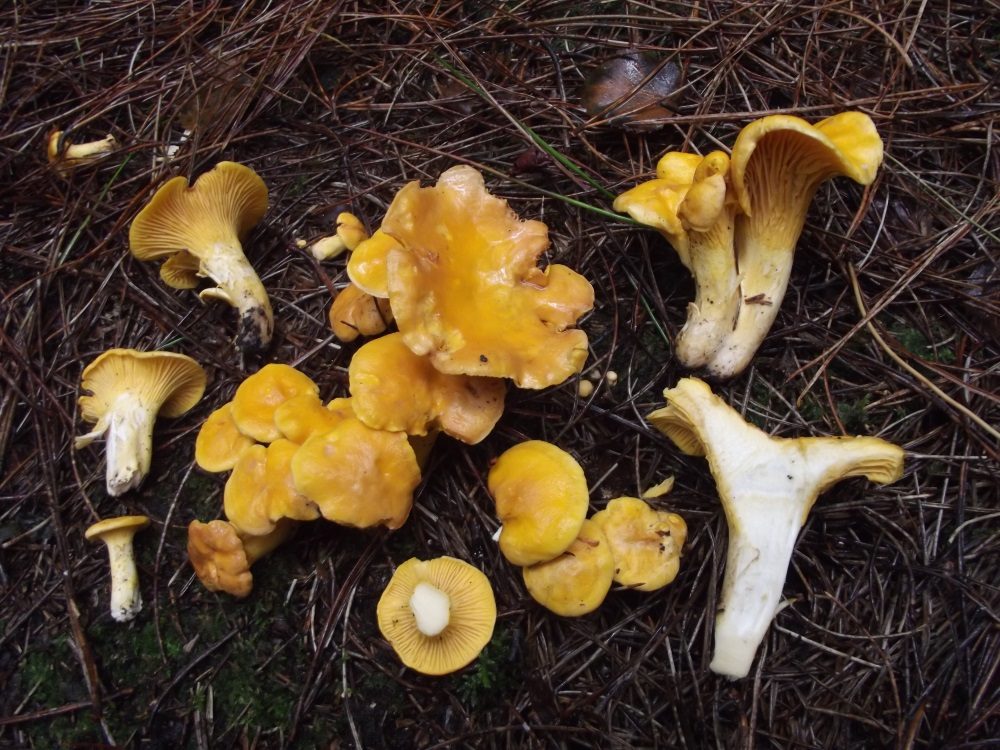
Chanterelle in the field

Chanterelle

Cantharellus cibarius

Edible

Egg-yolk yellow, trumpet-shaped and smelling faintly of apricots. One of the safest and finest edibles once learned.
J
F
M
A
M
J
J
A
S
O
N
D
Edit with