UK species guide
68 British fungi, written up the way you actually use them in the field: what it looks like, when it appears, where it grows, and what dangerous species it can be mistaken for.
Never eat a wild mushroom on the strength of a website alone. Some deadly species look very like good edibles. Check every feature, and get an expert opinion if there is any doubt at all.
Read the full foraging safety guidance.
Checking the weather across the UK…
Showing 4 of 68 species
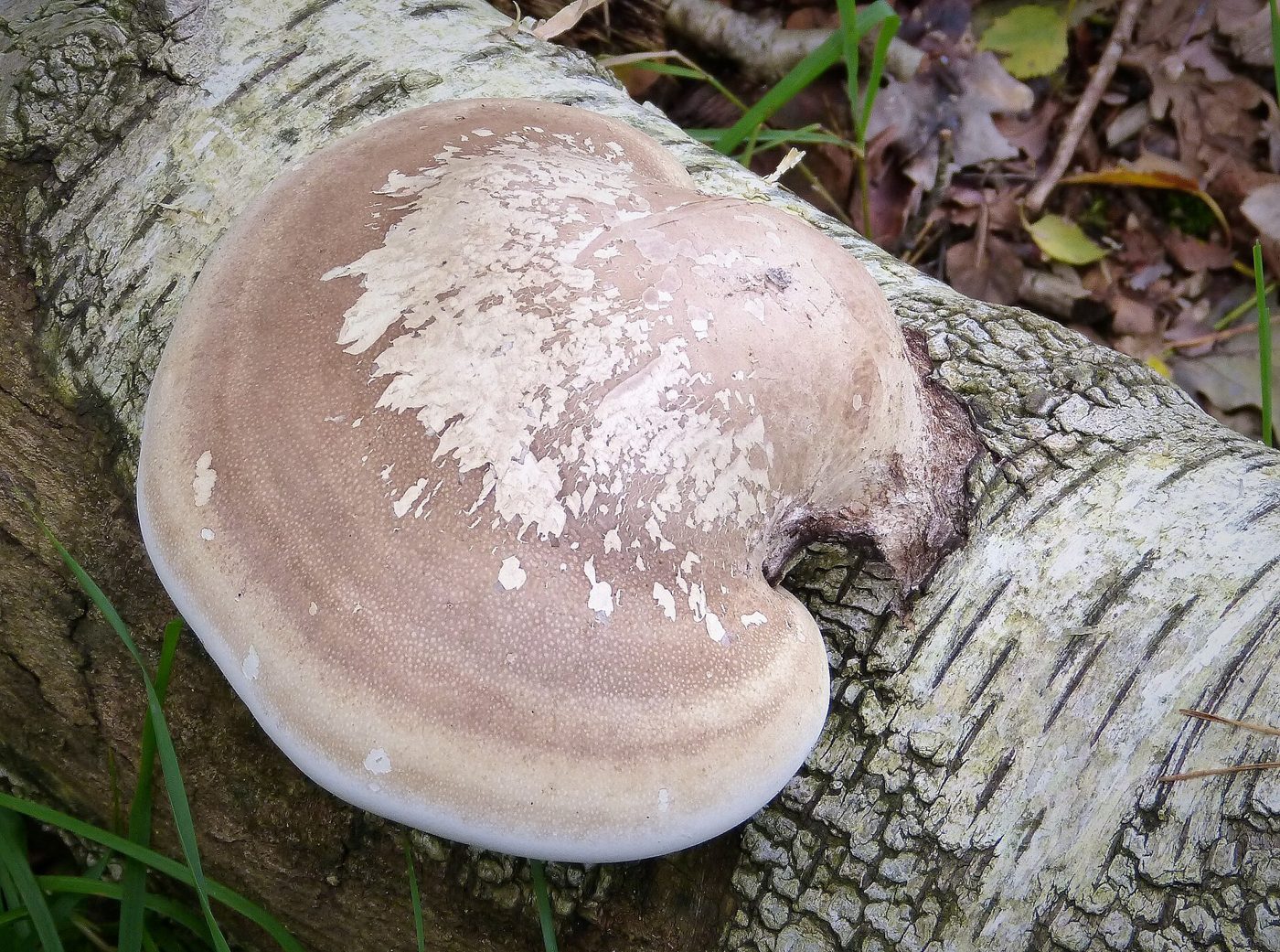
Birch Polypore
Fomitopsis betulina
A smooth, pale, kidney-shaped bracket that grows only on birch, mostly on dead and dying trees. Fresh brackets appear from late summer and old ones stay on the tree all year. It is bitter and corky, so it is not eaten.
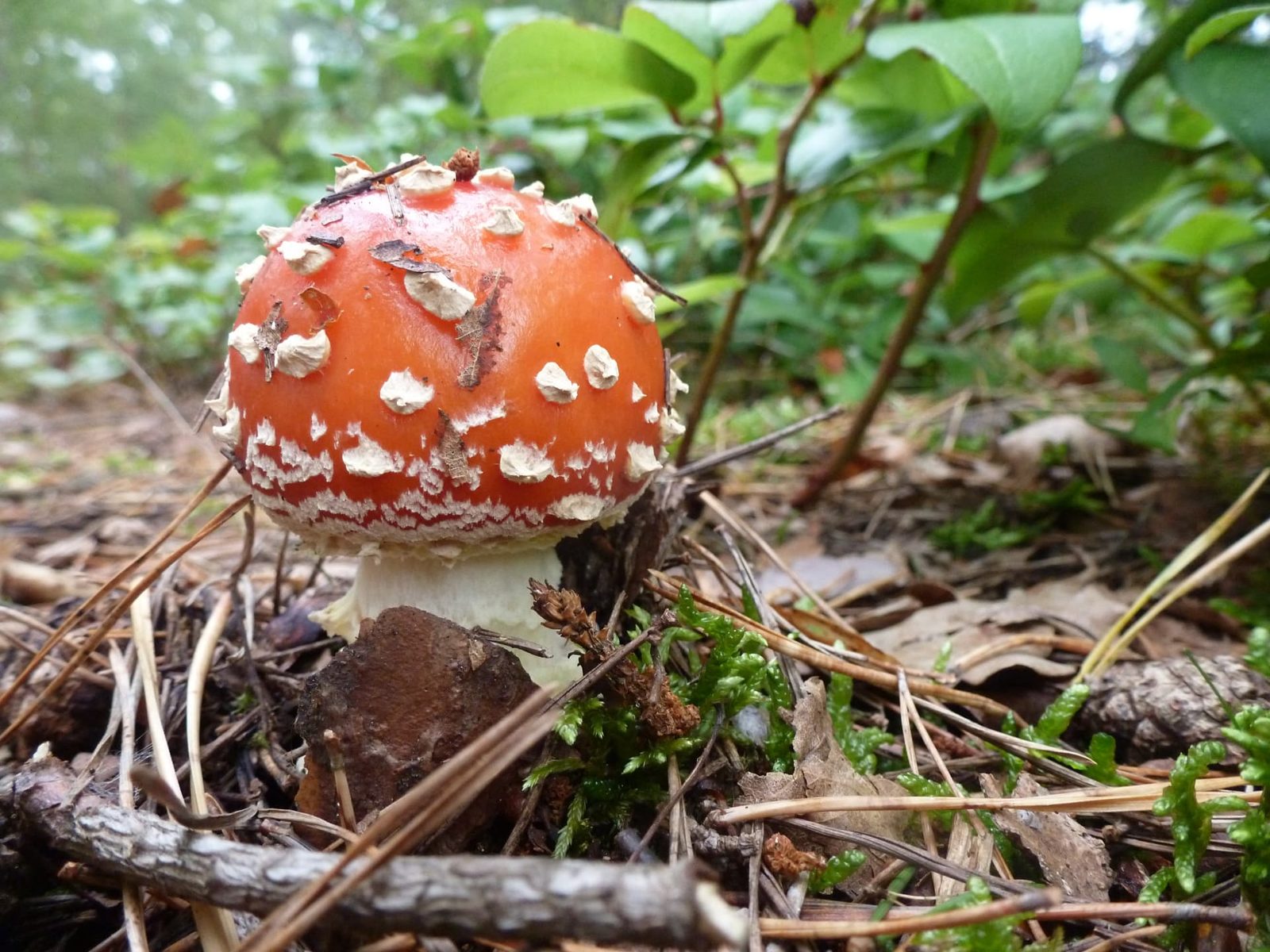
Fly Agaric
Amanita muscaria
The classic red and white toadstool. Hallucinogenic and poisonous. Admire it, do not eat it.
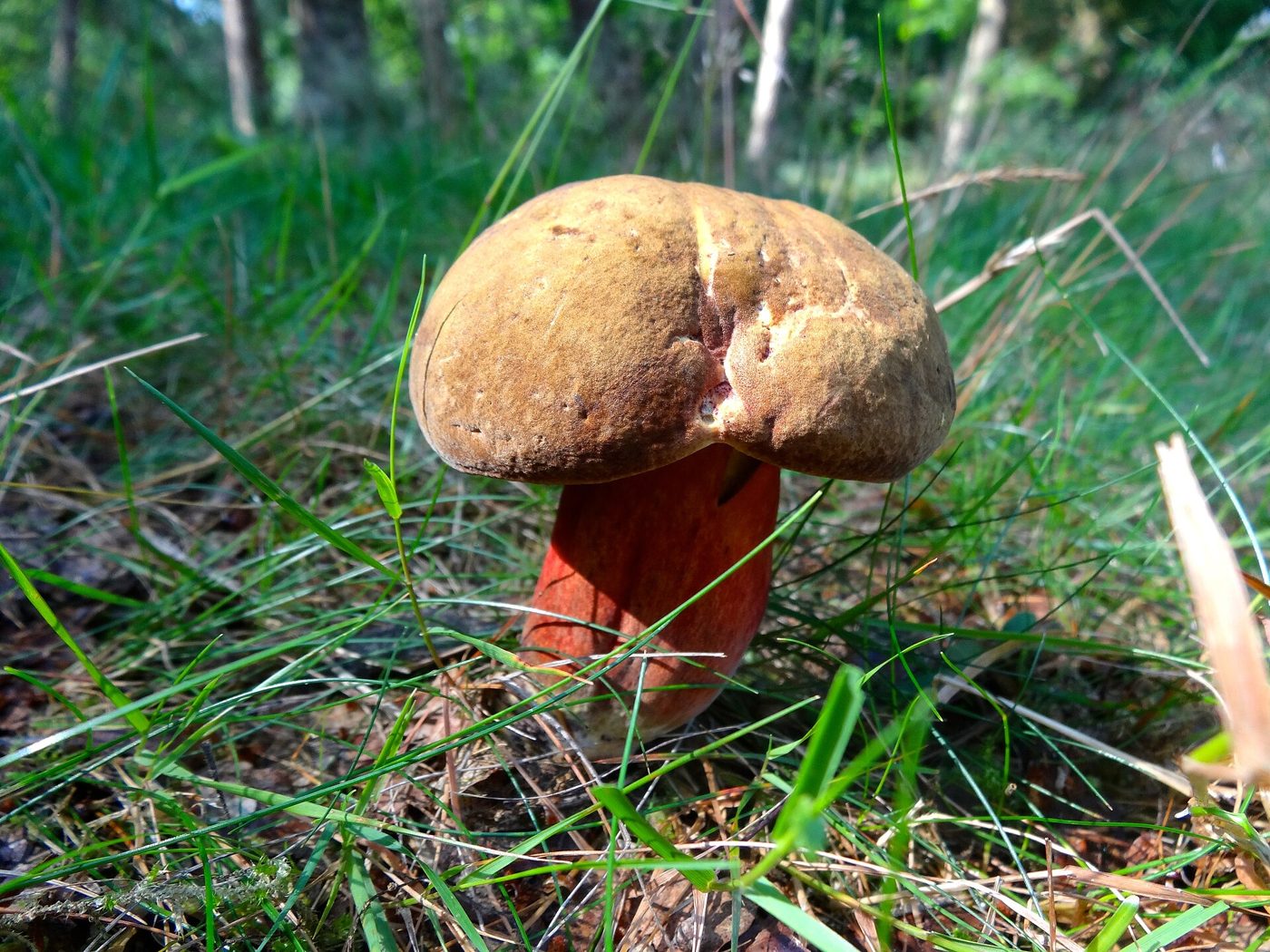
Scarletina Bolete
Neoboletus luridiformis
A chunky brown bolete with red pores and a yellow stem covered in tiny red dots. Its yellow flesh turns dark blue-black the instant it is cut. A good edible for experienced foragers, but only when thoroughly cooked, and it breaks the beginner's rule of avoiding red-pored boletes.
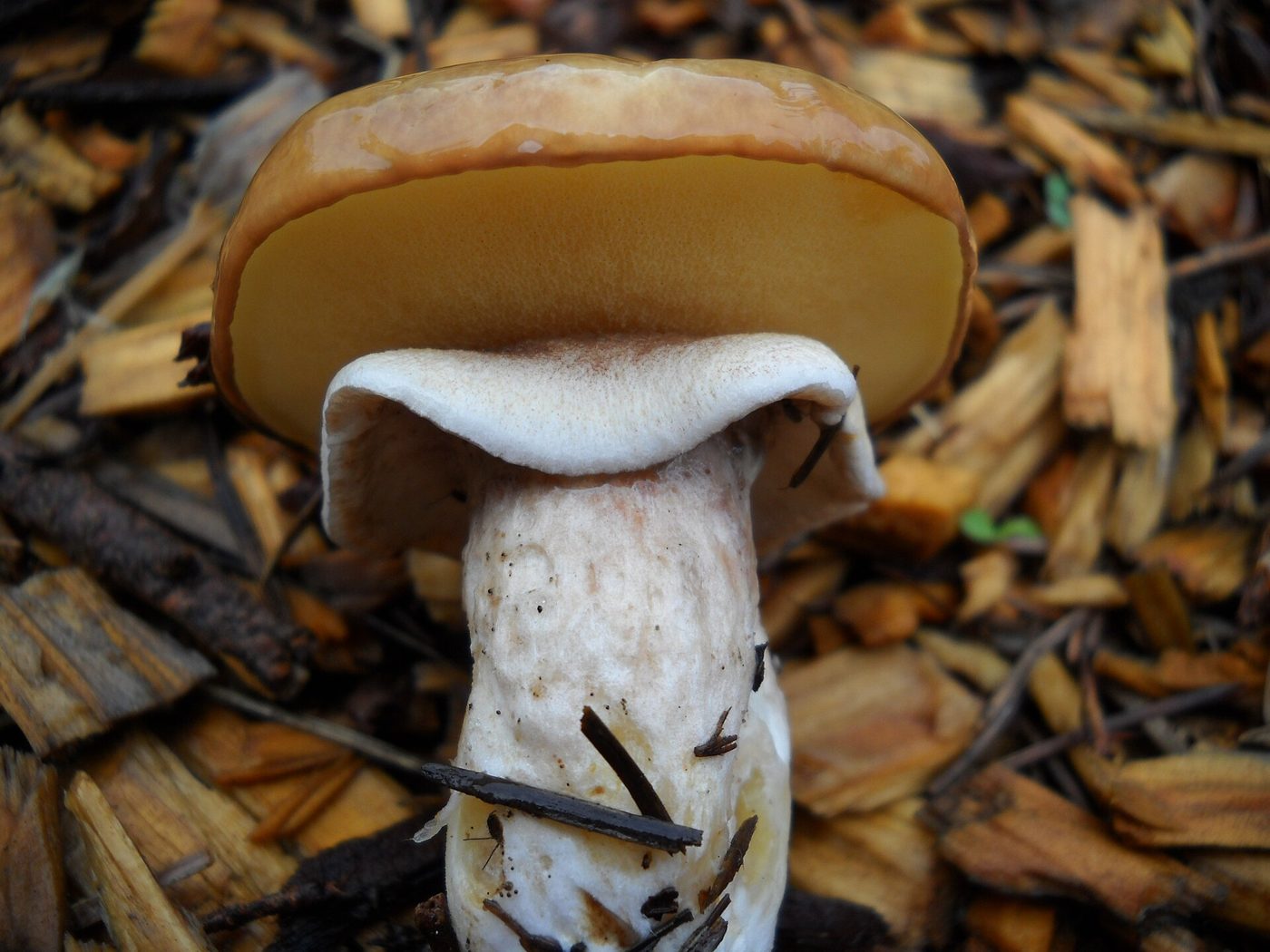
Slippery Jack
Suillus luteus
A chestnut-brown bolete with a cap like wet glue, yellow pores and a big floppy ring on the stem, found only under pines in late summer and autumn. A popular edible once the slimy skin is peeled off, though it disagrees with some people.