UK species guide
68 British fungi, written up the way you actually use them in the field: what it looks like, when it appears, where it grows, and what dangerous species it can be mistaken for.
Never eat a wild mushroom on the strength of a website alone. Some deadly species look very like good edibles. Check every feature, and get an expert opinion if there is any doubt at all.
Read the full foraging safety guidance.
Checking the weather across the UK…
Showing 3 of 68 species
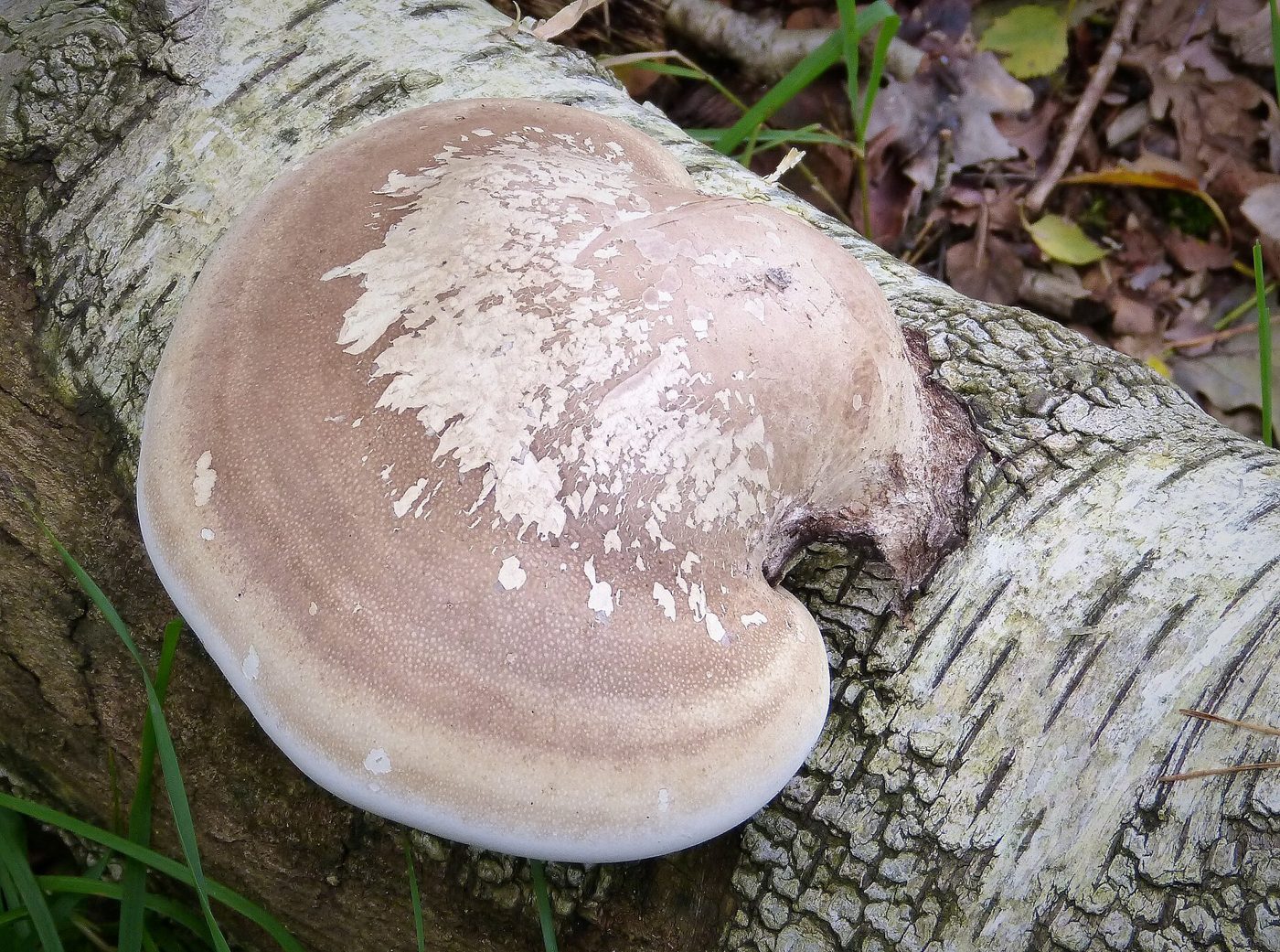
Birch Polypore
Fomitopsis betulina
A smooth, pale, kidney-shaped bracket that grows only on birch, mostly on dead and dying trees. Fresh brackets appear from late summer and old ones stay on the tree all year. It is bitter and corky, so it is not eaten.
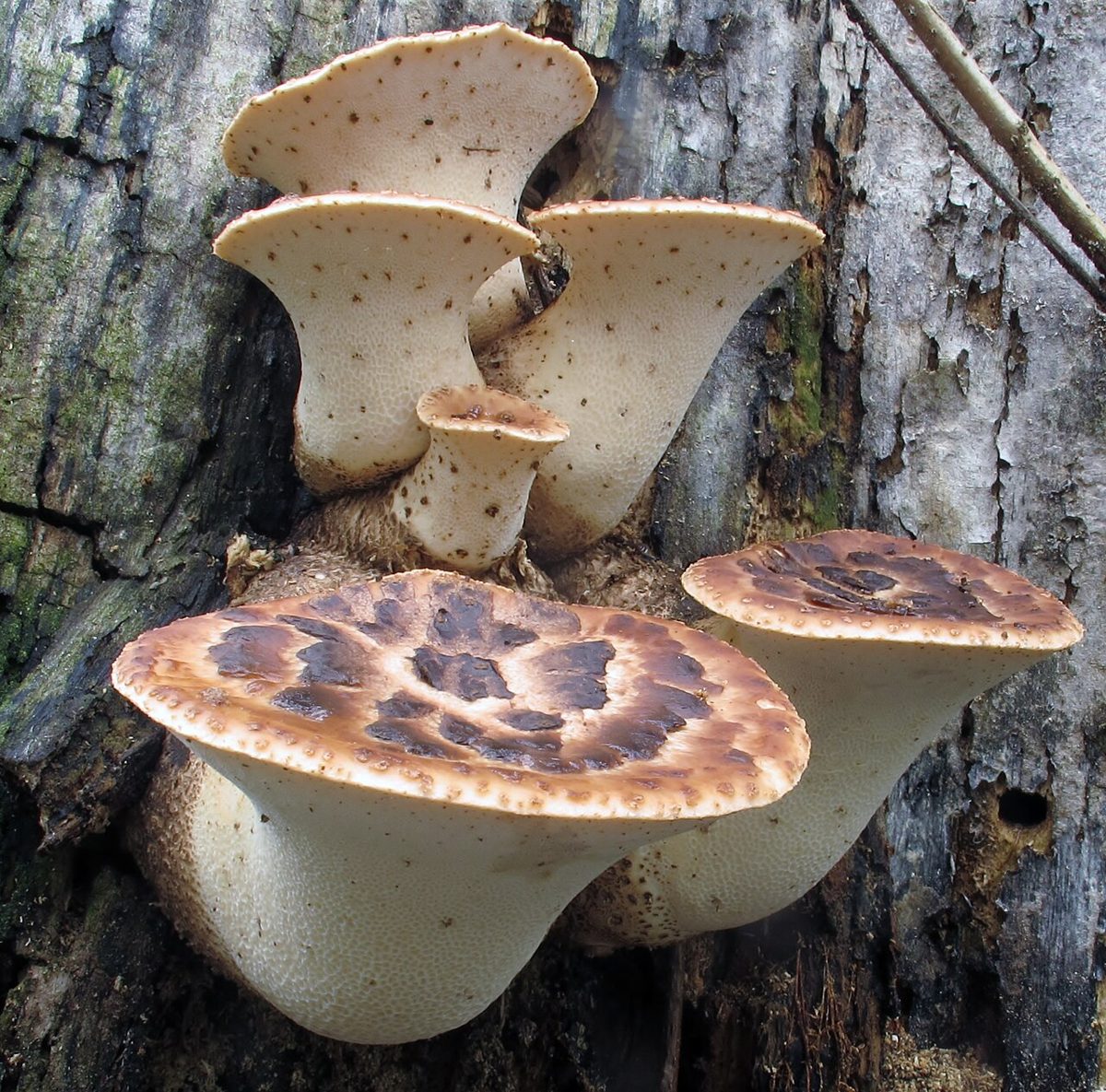
Dryad's Saddle
Cerioporus squamosus
A large, saddle-shaped spring and summer bracket covered in feather-like brown scales, common on sycamore, beech and elm. Easy to recognise and edible when very young, but it turns corky fast.
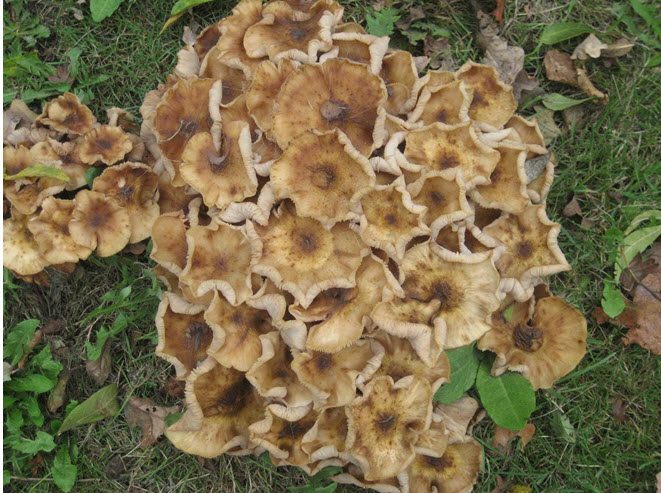
Honey Fungus
Armillaria mellea
The tree-killing parasite of woods, parks and gardens, fruiting in dense honey-to-tawny clumps on stumps and at the base of trees from late summer into early winter. Edible only young and thoroughly cooked, it upsets some people, and its clumps can hide the deadly Funeral Bell.