UK species guide
72 British fungi, written up the way you actually use them in the field: what it looks like, when it appears, where it grows, and what dangerous species it can be mistaken for.
Never eat a wild mushroom on the strength of a website alone. Some deadly species look very like good edibles. Check every feature, and get an expert opinion if there is any doubt at all.
Read the full foraging safety guidance.
Checking the weather across the UK…
Showing 4 of 72 species
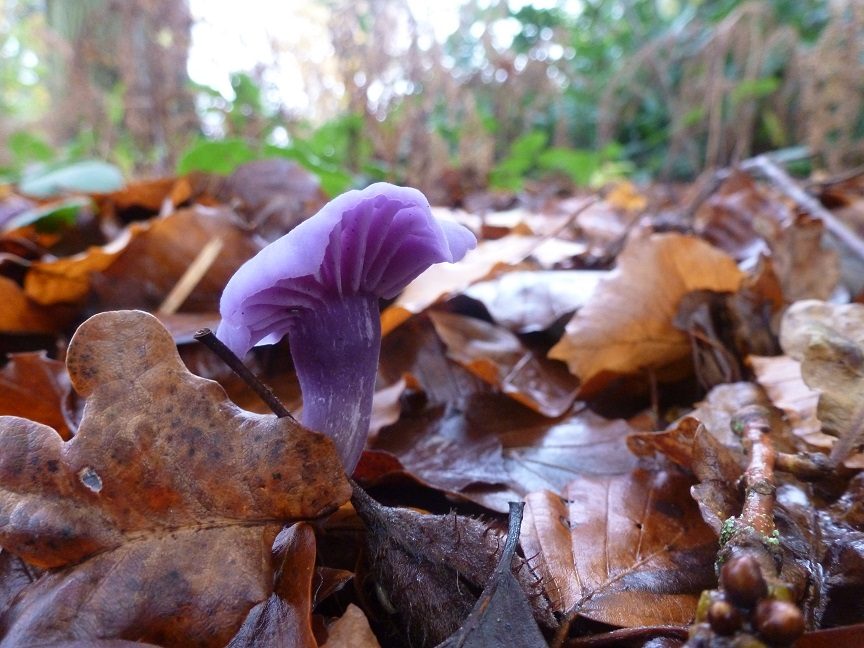
Amethyst Deceiver
Laccaria amethystina
A small brilliant violet mushroom of leaf litter, edible but slight and known to take up arsenic.
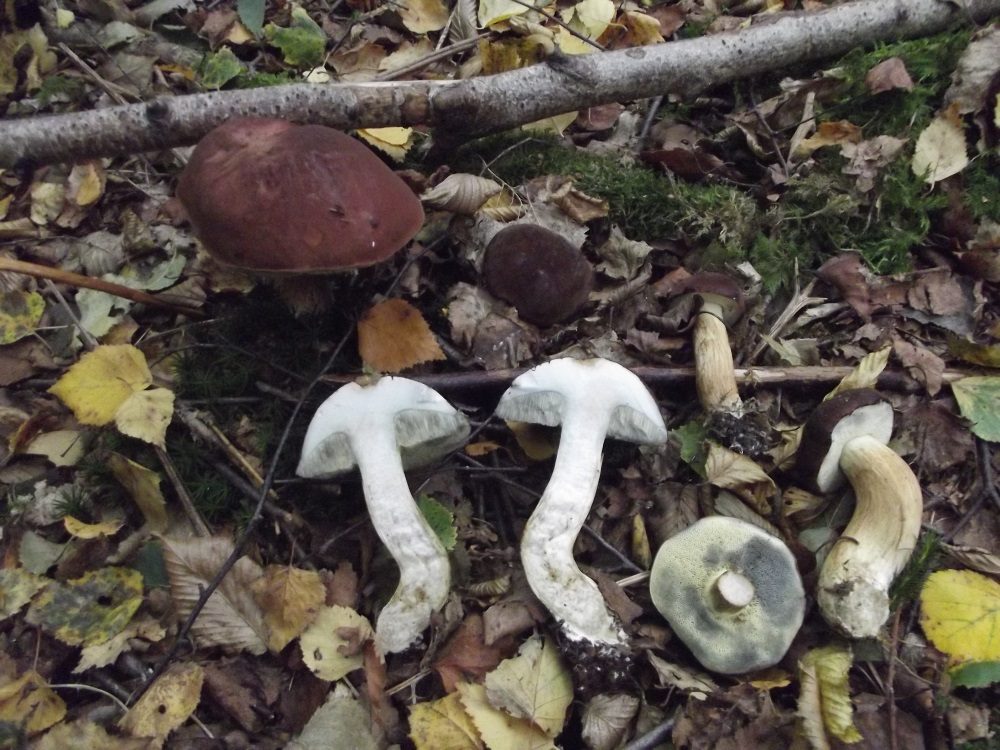
Bay Bolete
Imleria badia
A reliable and common bolete: rich bay-brown cap and pores that bruise blue-green at a touch.
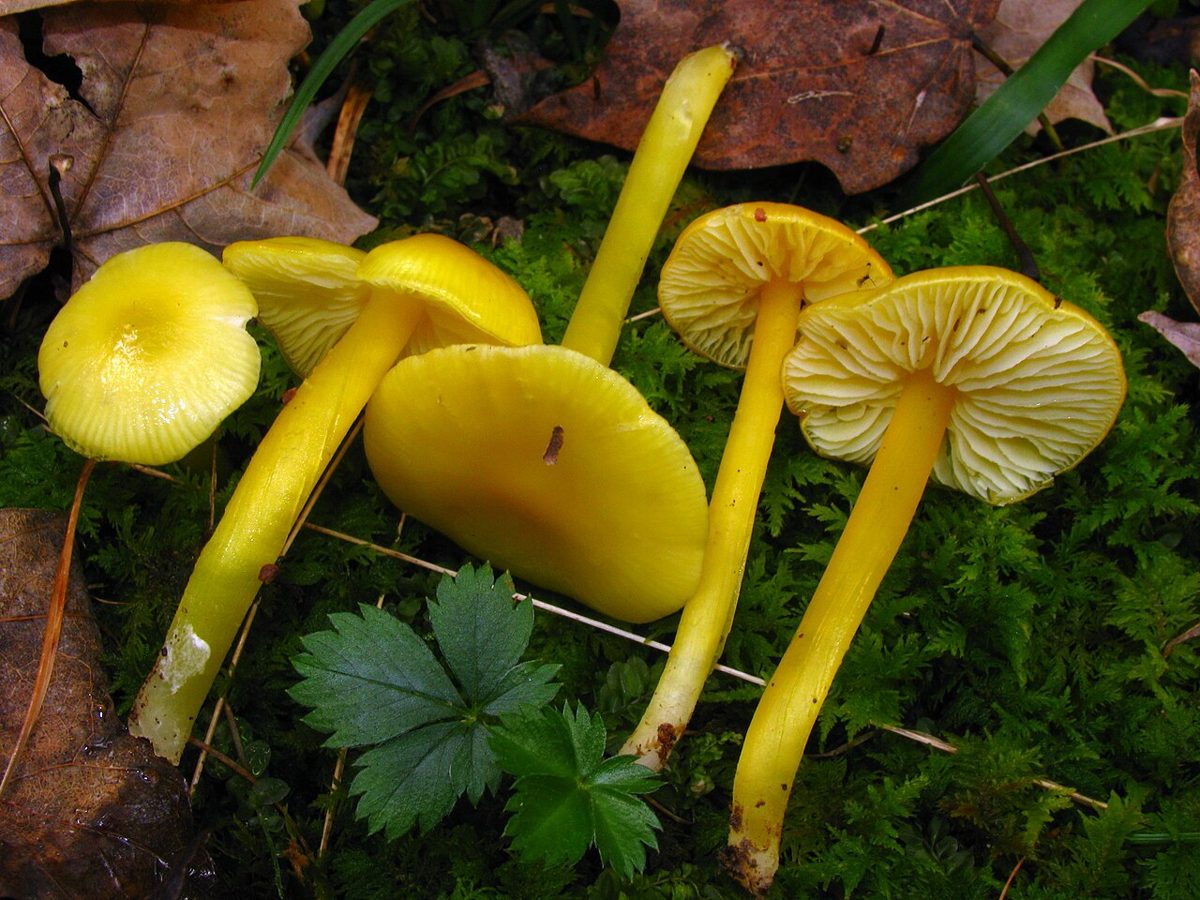
Golden Waxcap
Hygrocybe chlorophana
A small, shiny, lemon-to-egg-yolk yellow waxcap of old unfertilised grassland, lawns and churchyards. One of the commoner waxcaps and a good sign of a healthy grassland, but too small, slimy and tasteless to be worth eating.
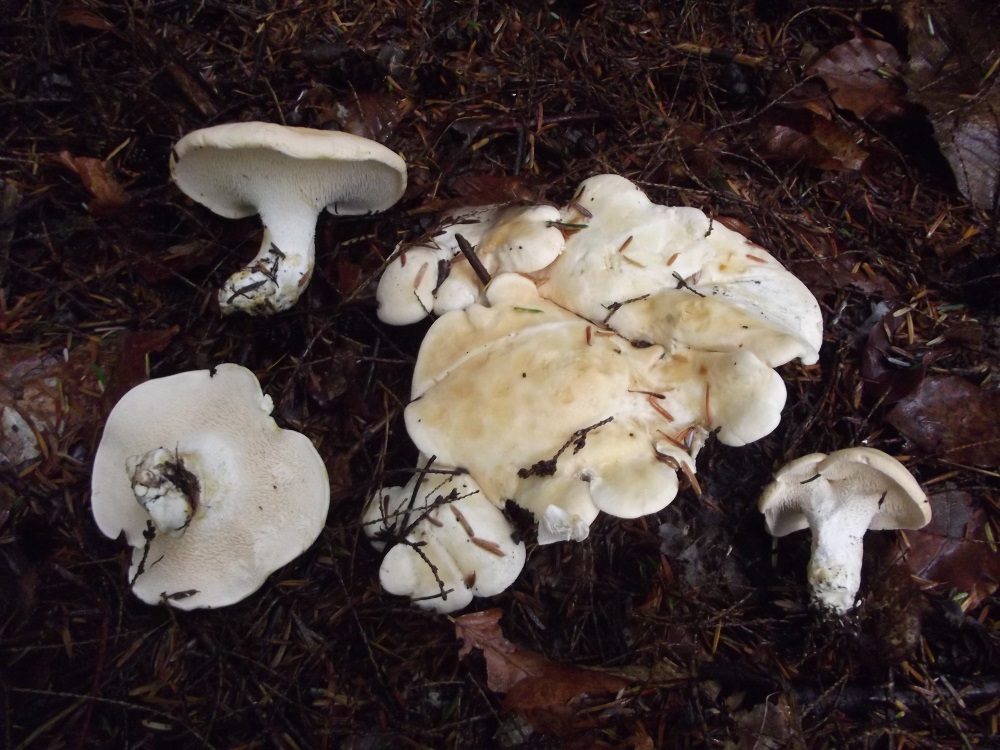
Hedgehog Fungus
Hydnum repandum
Buff coloured with soft spines instead of gills. Almost impossible to confuse with anything dangerous.