Flammulina velutipes · Physalacriaceae
Also called Winter Fungus, Enokitake
A winter mushroom: sticky orange caps in clusters on dead elm and other broadleaf wood, often through frost.
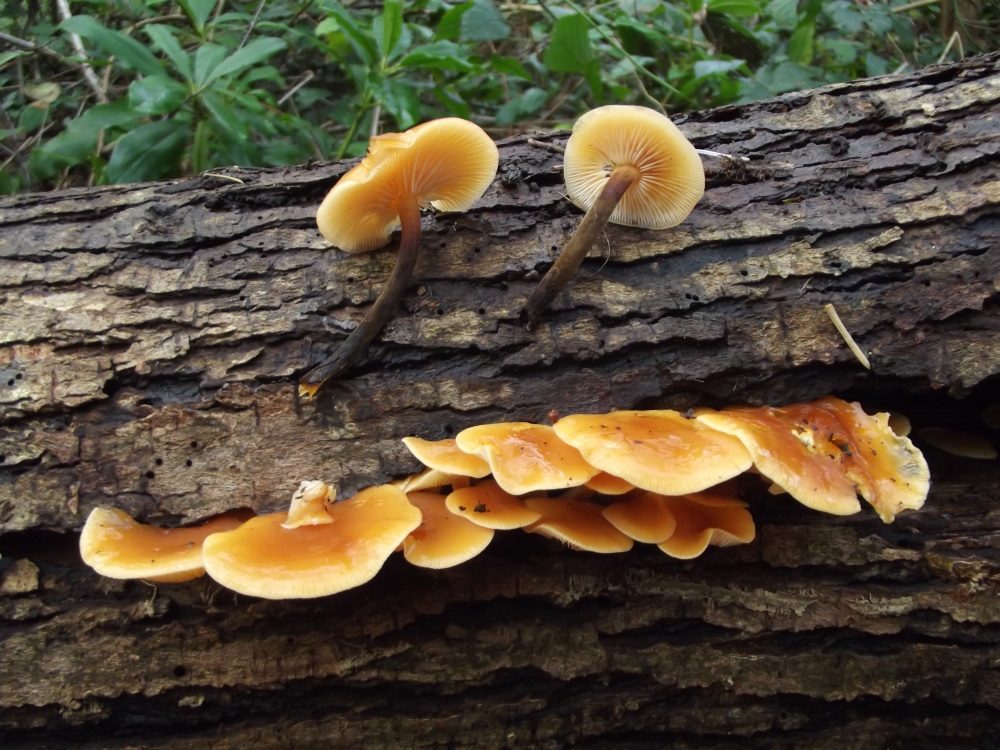
Edible. Take a spore print. White is Velvet Shank; rusty brown means Funeral Bell and can kill. Never pick these without checking.
Read the full foraging safety guidance.
October to March
See what else is out in January, February, March, October, November and December.
The deadly Funeral Bell (Galerina marginata) grows on wood in the same way but has a RING on the stem and a RUSTY brown spore print.
Discard the tough stems. Good in Asian broths and soups.
Foraging after the first frost: November's best wild mushrooms
The season isn't over when the ceps go. Cold, wet November woods produce some of the cleanest edibles of the year, if you know what to look for and what to rule out.
Late winter foraging, when the mushrooms are gone
January and February are the lean months. There is still Velvet Shank and Jelly Ear on the wood, and the first hedgerow greens are worth more than most people think.
Honey fungus: friend of no gardener
Armillaria is the most destructive tree pathogen in British gardens and it is also, with serious caveats, edible.
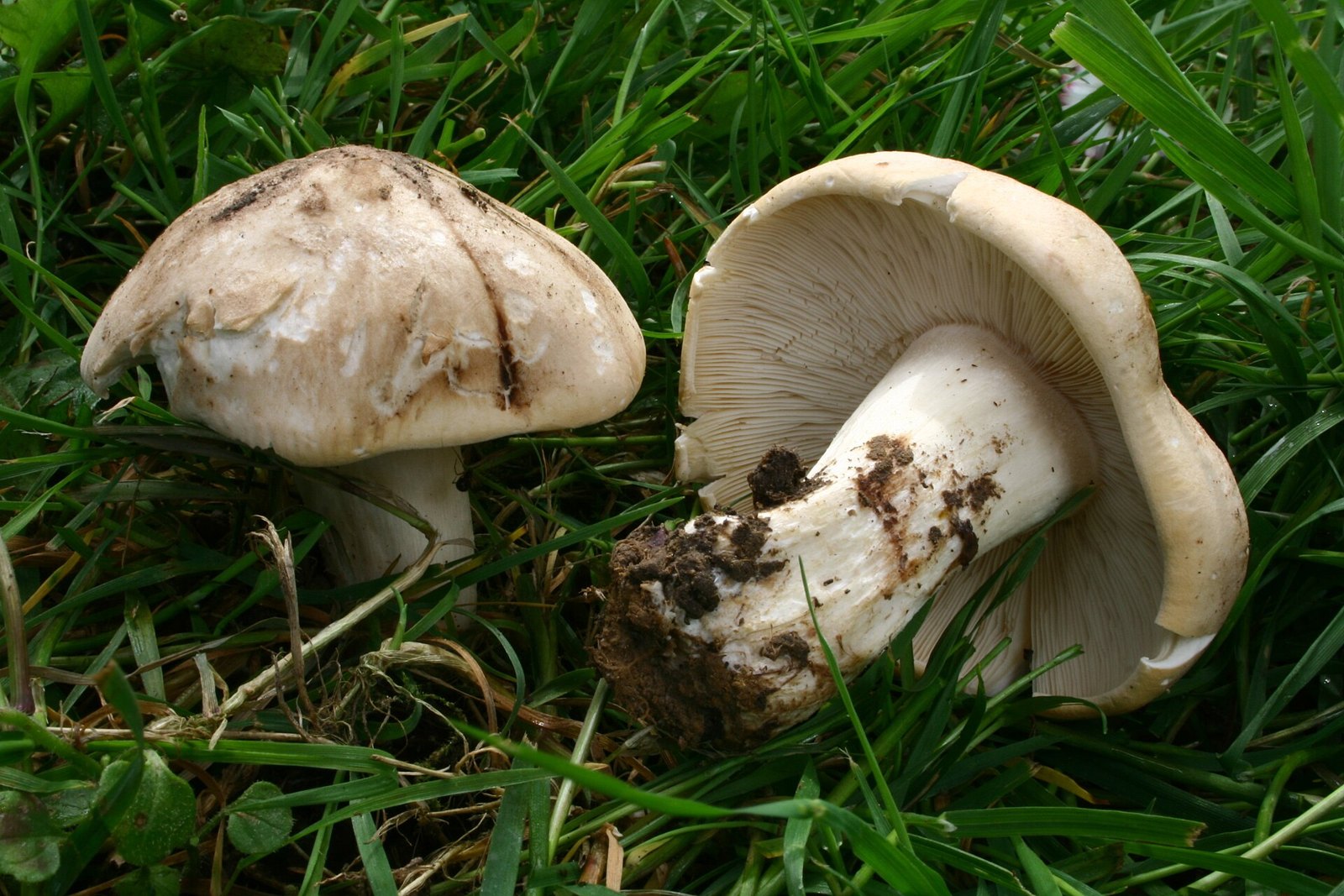
Calocybe gambosa
A solid white spring mushroom of grassland, traditionally appearing around St Georges Day.
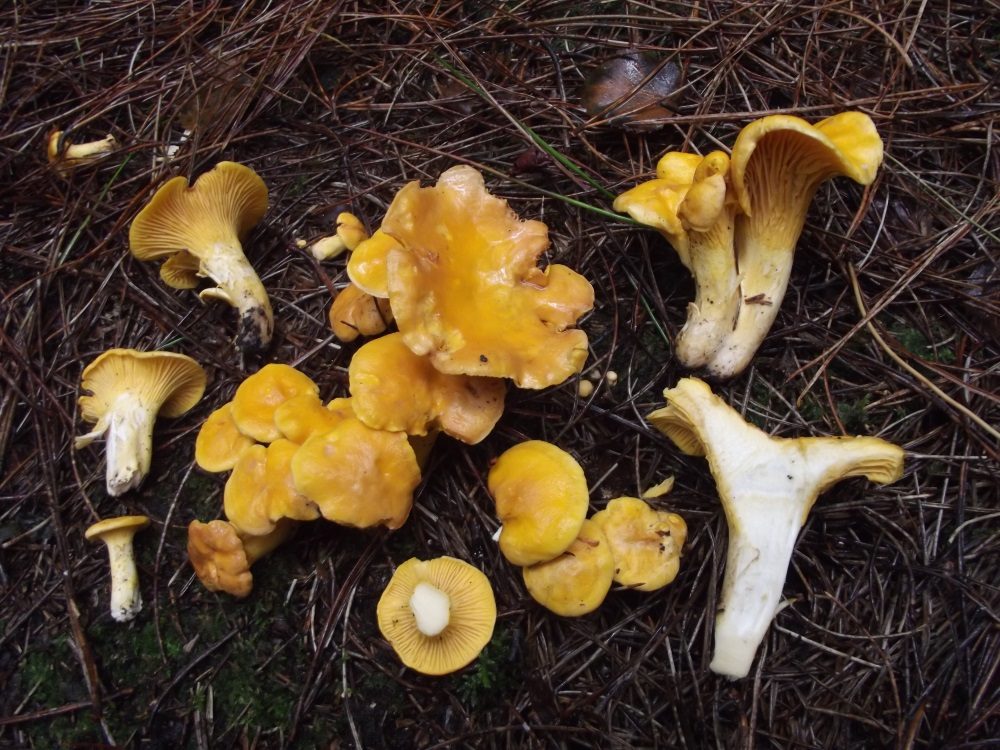
Cantharellus cibarius
Egg-yolk yellow, trumpet-shaped and smelling faintly of apricots. One of the safest and finest edibles once learned.
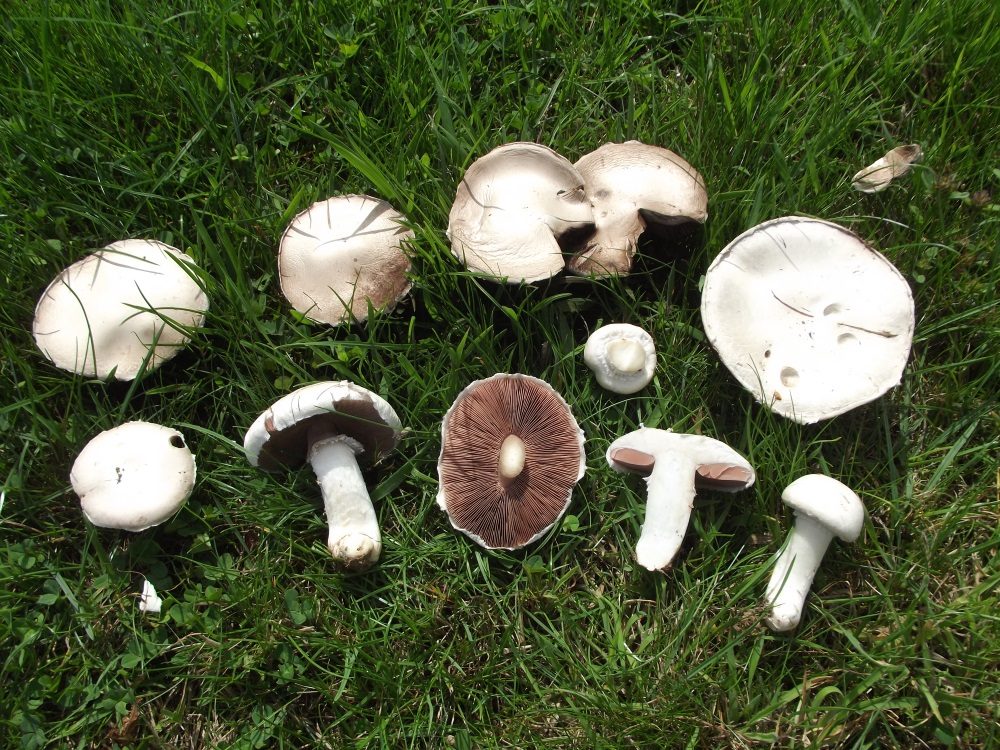
Agaricus campestris
The classic mushroom of unimproved pasture: white cap, pink gills darkening to brown, and a clean mushroomy smell.