C

Chris

@chrisgingethomas

Finds

Birch polypore in the New Forest
CChris22 Sep 2010

Originally posted by Damon · Archive

Birch polypore in the New Forest

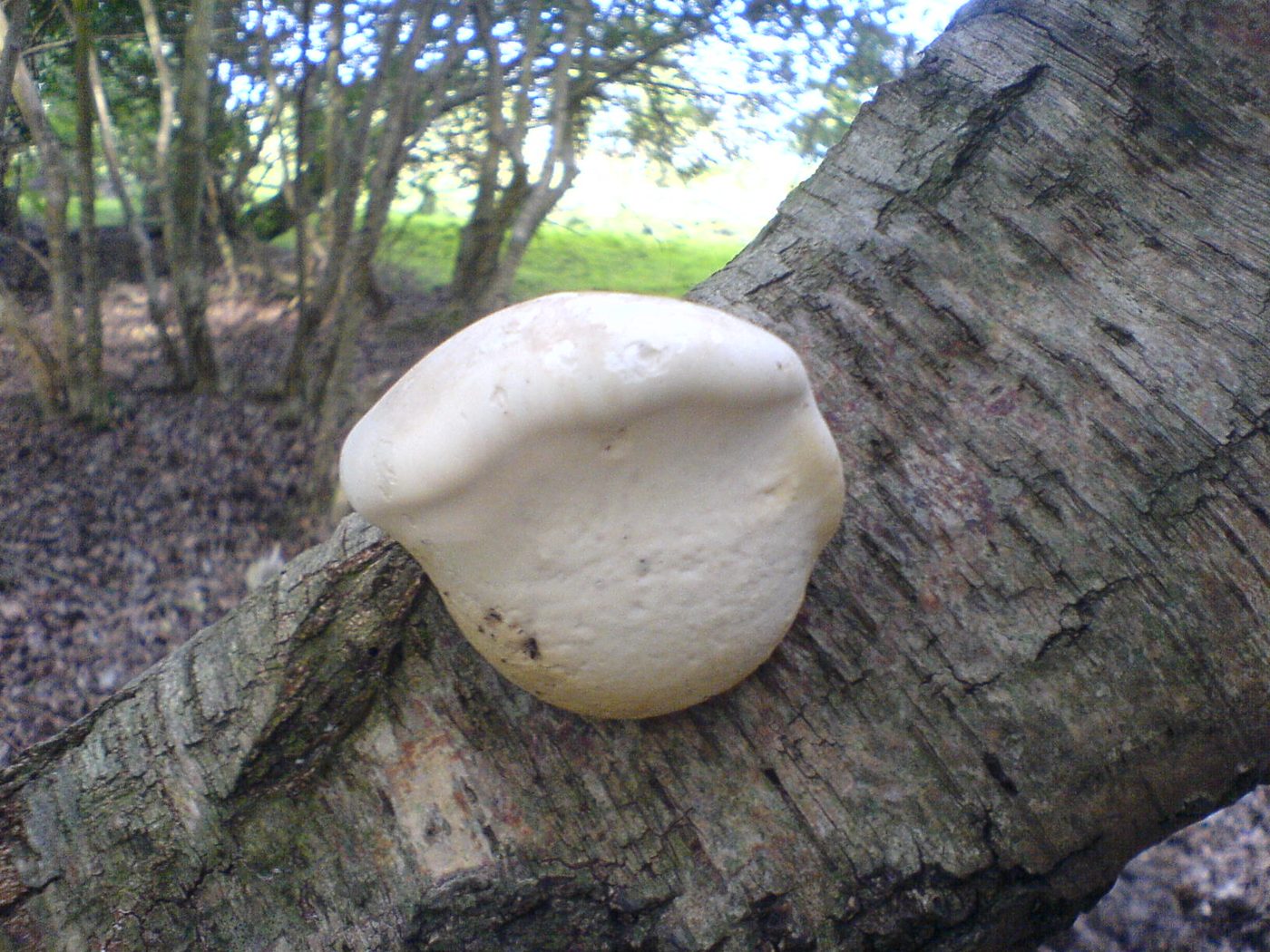
Damon asked: "Growing in the New Forest, bit stumped (excuse the pun) with this one? Any ideas?" The discussion: Geoff identified it as Birch Polypore, one of the most common fungi. Damon recalled that Ötzi the Iceman carried some, and Geoff added it was used for sharpening blades — hence the old name "razor strop fungus". A Scottish member confirmed Piptoporus betulinus (now Fomitopsis betulina). From the archive: originally posted on the old Wild Mushrooms Online "Recent Foraging Trips" board. Date shown is the original posting date. Never eat a wild mushroom on the strength of a photo or an online comment.

New Forest, Hampshire
0 0Open
Russula vesca … again?
CChris22 Sep 2010

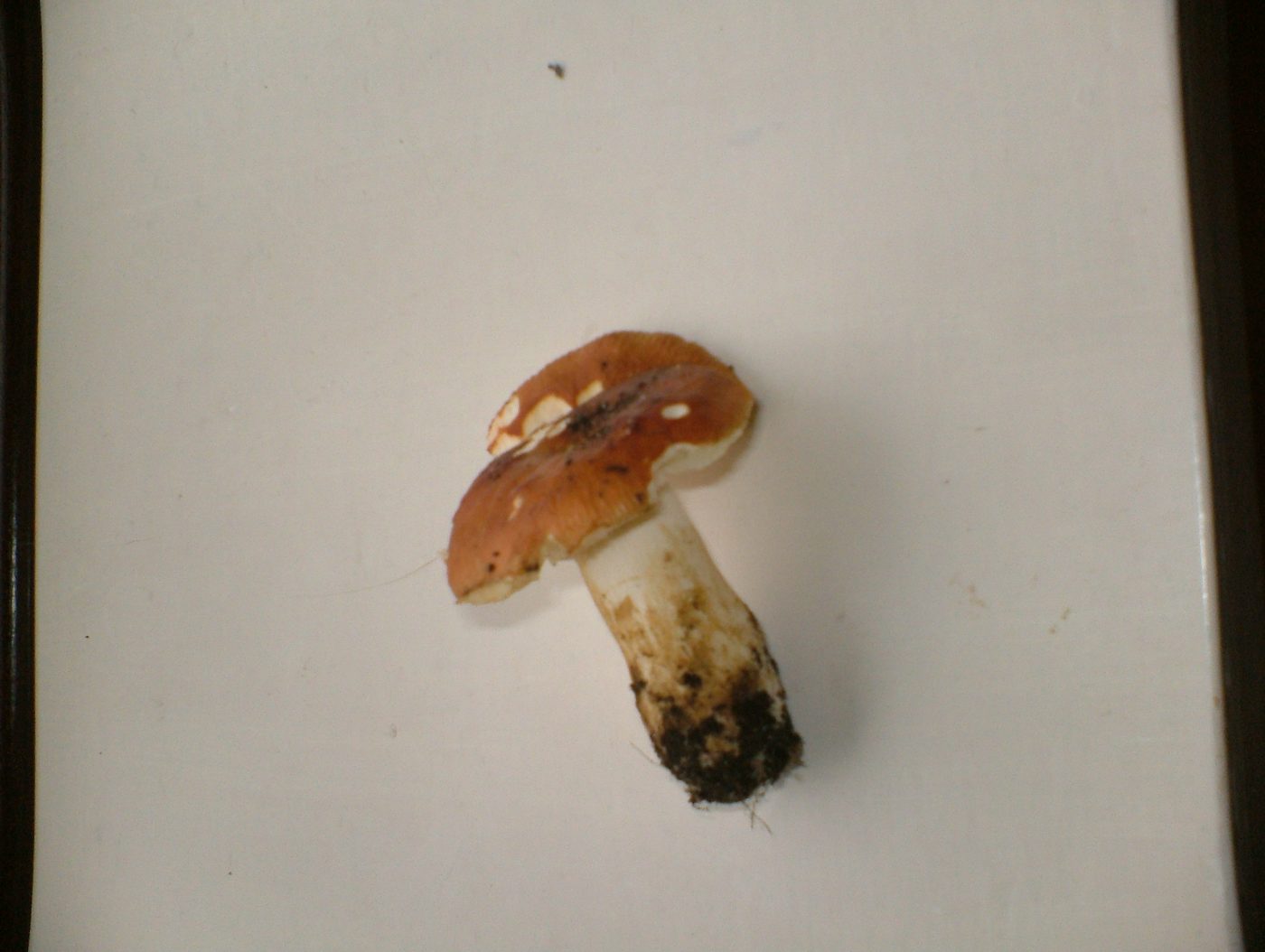
Russula vesca … again?

Original post: "Russula vesca??? again. Can someone give me an ID please." The discussion: Geoff said the Bare-toothed Brittlegill (Russula vesca) was his best guess too; another member suggested Russula aurata. Brittlegills are very hard to name from a photo — taste, gill feel and spore colour all matter. From the archive: originally posted on the old Wild Mushrooms Online "Recent Foraging Trips" board. Date shown is the original posting date. Never eat a wild mushroom on the strength of a photo or an online comment.

0 0Open
Mystery mushroom on an allotment
CChris18 Sep 2010

Originally posted by booeddie · Archive

Mystery mushroom on an allotment

Original post: "Found on my allotment, any ideas?" The discussion: Geoff guessed it was some sort of Cortinarius (webcap), and another member said simply "not something I would eat". Webcaps include deadly species, so this is one to leave alone. From the archive: originally posted on the old Wild Mushrooms Online "Recent Foraging Trips" board. Date shown is the original posting date. Never eat a wild mushroom on the strength of a photo or an online comment.

0 0Open
Purple mushroom in bark mulch
CChris14 Nov 2010

Originally posted by bazil · Archive

Purple mushroom in bark mulch

Bazil found this in a flower bed mulched with shredded bark and asked whether it was edible. The discussion: Geoff thought it was probably a Wood Blewit, but wouldn't trust a photo, especially from bark chippings — it might be a purple Cortinarius. The strong perfumed smell is the key Wood Blewit feature. Geoff noted there are over 200 UK Cortinarius species, many missing from even the best guides. From the archive: originally posted on the old Wild Mushrooms Online "Recent Foraging Trips" board. Date shown is the original posting date. Never eat a wild mushroom on the strength of a photo or an online comment.

Didcot, Oxfordshire
0 0Open
Flowery blewit? No — clouded agaric
CChris8 Nov 2010

Flowery blewit? No — clouded agaric

Original post: "I found these in a woodland in Sussex last week. Are they edible, and are they what I think they are, the Flowery Blewit?" The discussion: Geoff's answer: "Nope, they are Clitocybe nebularis (yet again…)". The Clouded Agaric is now Clitocybe/Lepista nebularis and upsets many people, so it isn't recommended. From the archive: originally posted on the old Wild Mushrooms Online "Recent Foraging Trips" board. Date shown is the original posting date. Never eat a wild mushroom on the strength of a photo or an online comment.

Sussex
0 0Open
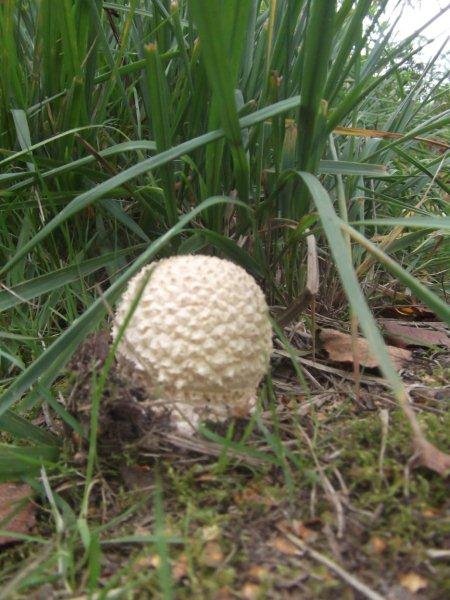
Mushroom in a house plant pot
CChris7 Nov 2010

Mushroom in a house plant pot

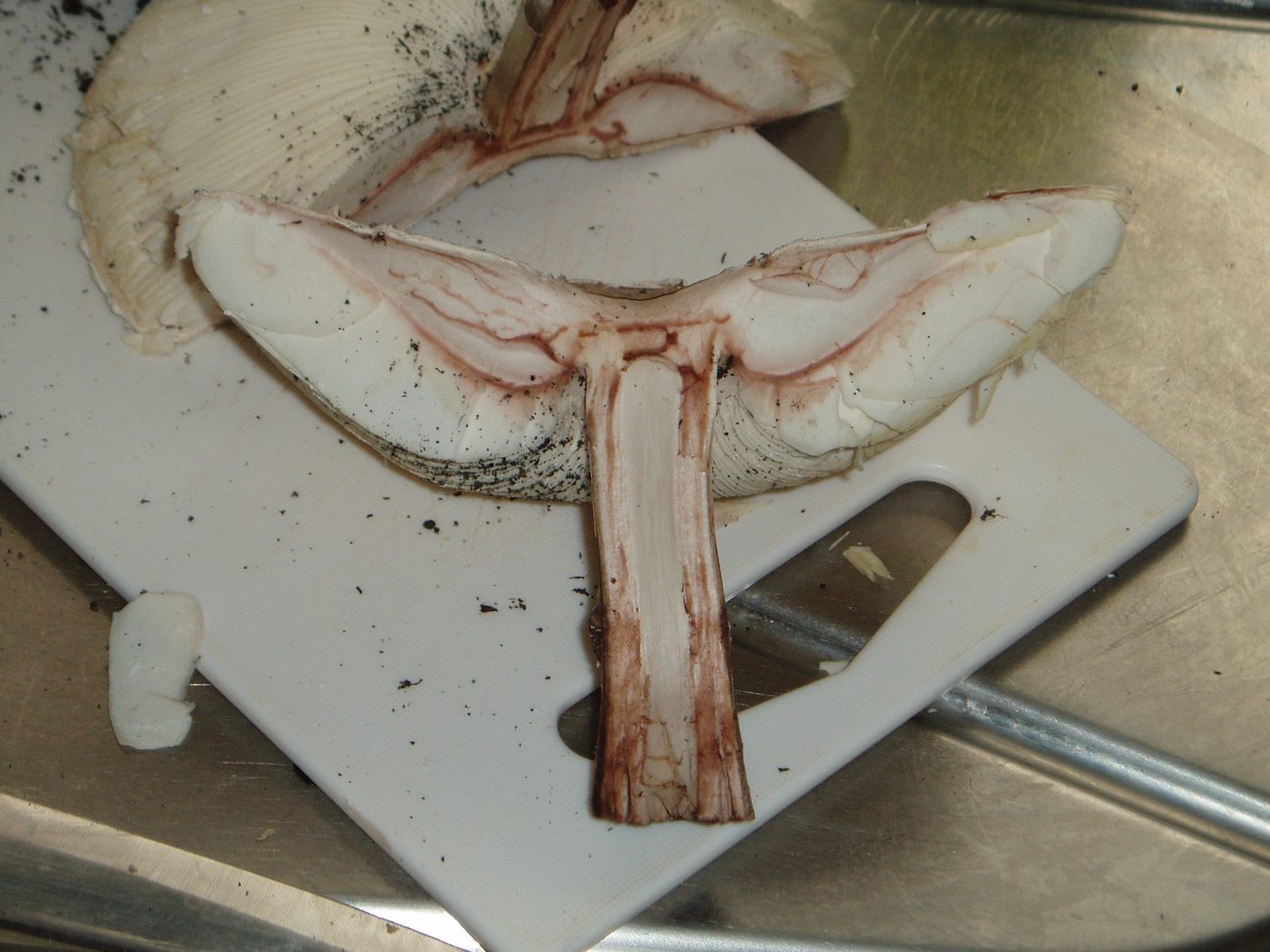
Original post: "Found in a house plant pot. Any idea what it is?" The discussion: Geoff said it was a parasol-type mushroom, but warned that fungi in houses and greenhouses can be tropical species, including at least one poisonous one. Never eat anything that comes up in a plant pot. From the archive: originally posted on the old Wild Mushrooms Online "Recent Foraging Trips" board. Date shown is the original posting date. Never eat a wild mushroom on the strength of a photo or an online comment.

0 0Open
Shaggy inkcap near Versailles
CChris3 Nov 2010

Originally posted by Victoria · Archive

Shaggy inkcap near Versailles

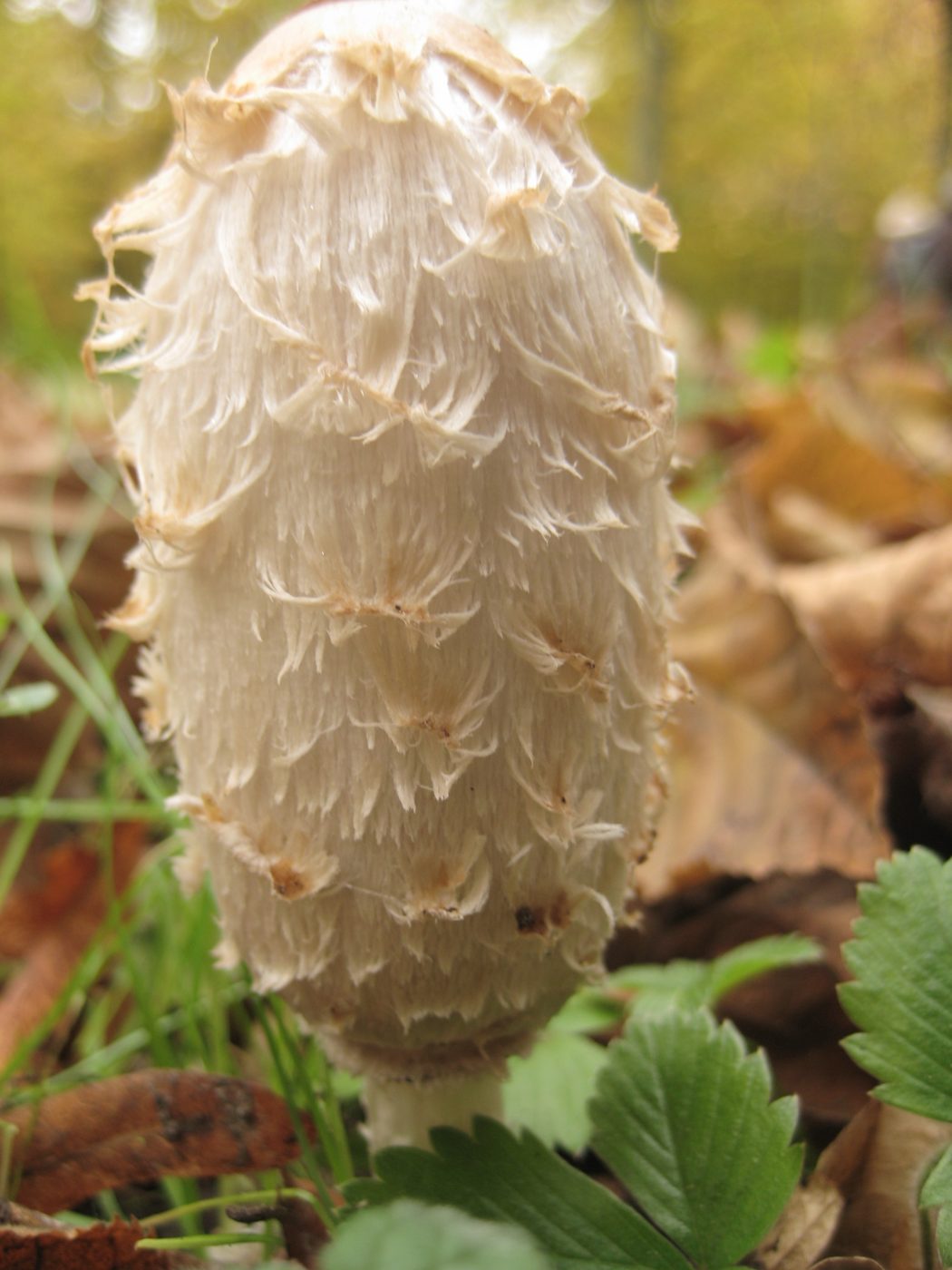
Victoria found this in a grassy patch partly covered with leaves and asked whether it was a shaggy inkcap. The discussion: Geoff replied "Yes", and another member agreed. Shaggy inkcaps are only good young, before the gills start to blacken and turn to ink. From the archive: originally posted on the old Wild Mushrooms Online "Recent Foraging Trips" board. Date shown is the original posting date. Never eat a wild mushroom on the strength of a photo or an online comment.

EdibleShaggy Inkcap Versailles, France
0 0Open
Ringed milkcap in a garden
CChris25 Oct 2010

Originally posted by HSD · Archive

Ringed milkcap in a garden

HSD described a small greyish mushroom with circular patterning on the cap, growing in grass near apple and hazel trees. The discussion: Geoff said the abundant milk showed it was a milkcap, first suggested Lactarius circellatus (with hornbeam), then corrected himself to the Fiery Milkcap (Lactarius pyrogalus), which grows with hazel. HSD reported a slightly peppery taste. Geoff: "No hope of IDing this without tasting it myself…" (Taste tests mean spitting out, never swallowing.) From the archive: originally posted on the old Wild Mushrooms Online "Recent Foraging Trips" board. Date shown is the original posting date. Never eat a wild mushroom on the strength of a photo or an online comment.

0 0Open
Giant funnels in a Nottinghamshire clearing
CChris18 Oct 2010

Originally posted by Mike · Archive

Giant funnels in a Nottinghamshire clearing

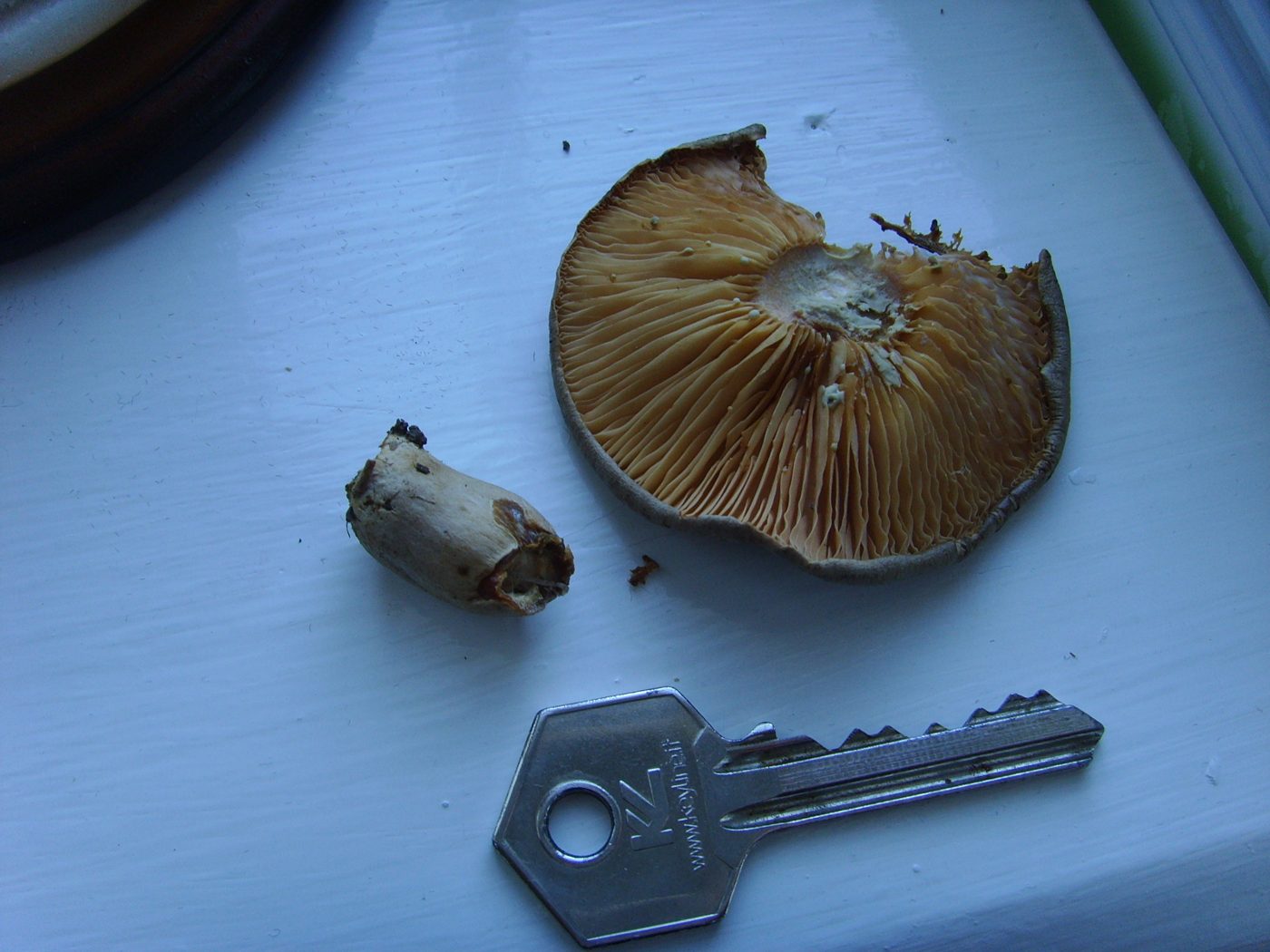
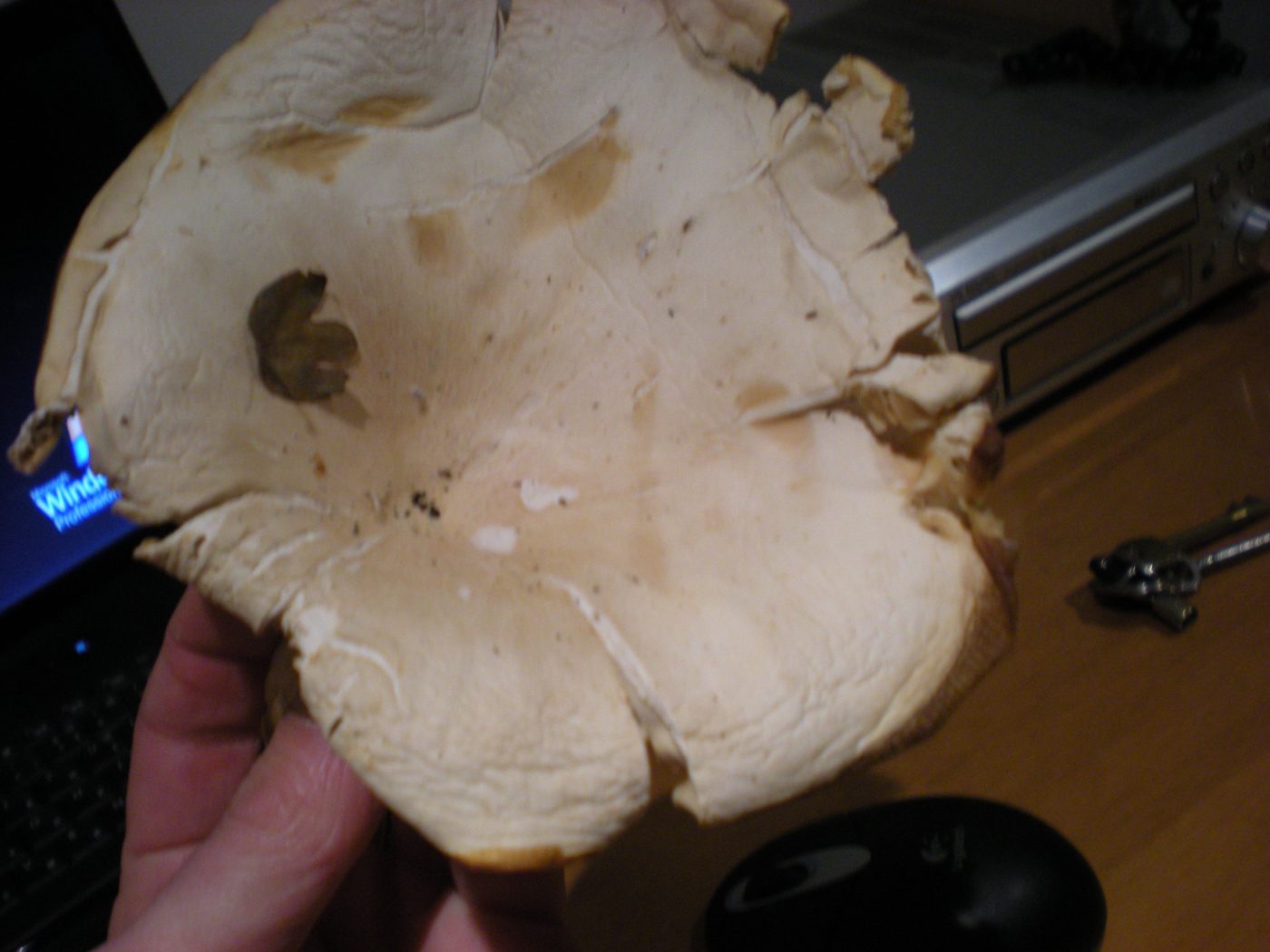
Mike asked about several dozen mushrooms, 2 to 6 inches across with a strong smell, in a woodland clearing. The discussion: Geoff said it was hard to be certain from a specimen in that state, but guessed the Giant Funnel (Leucopaxillus giganteus, now Aspropaxillus giganteus). Another member agreed and noted that old specimens are hard to name from photos. From the archive: originally posted on the old Wild Mushrooms Online "Recent Foraging Trips" board. Date shown is the original posting date. Never eat a wild mushroom on the strength of a photo or an online comment.

South Nottinghamshire
0 0Open
A basket from a Northamptonshire forest
CChris26 Sep 2010

A basket from a Northamptonshire forest

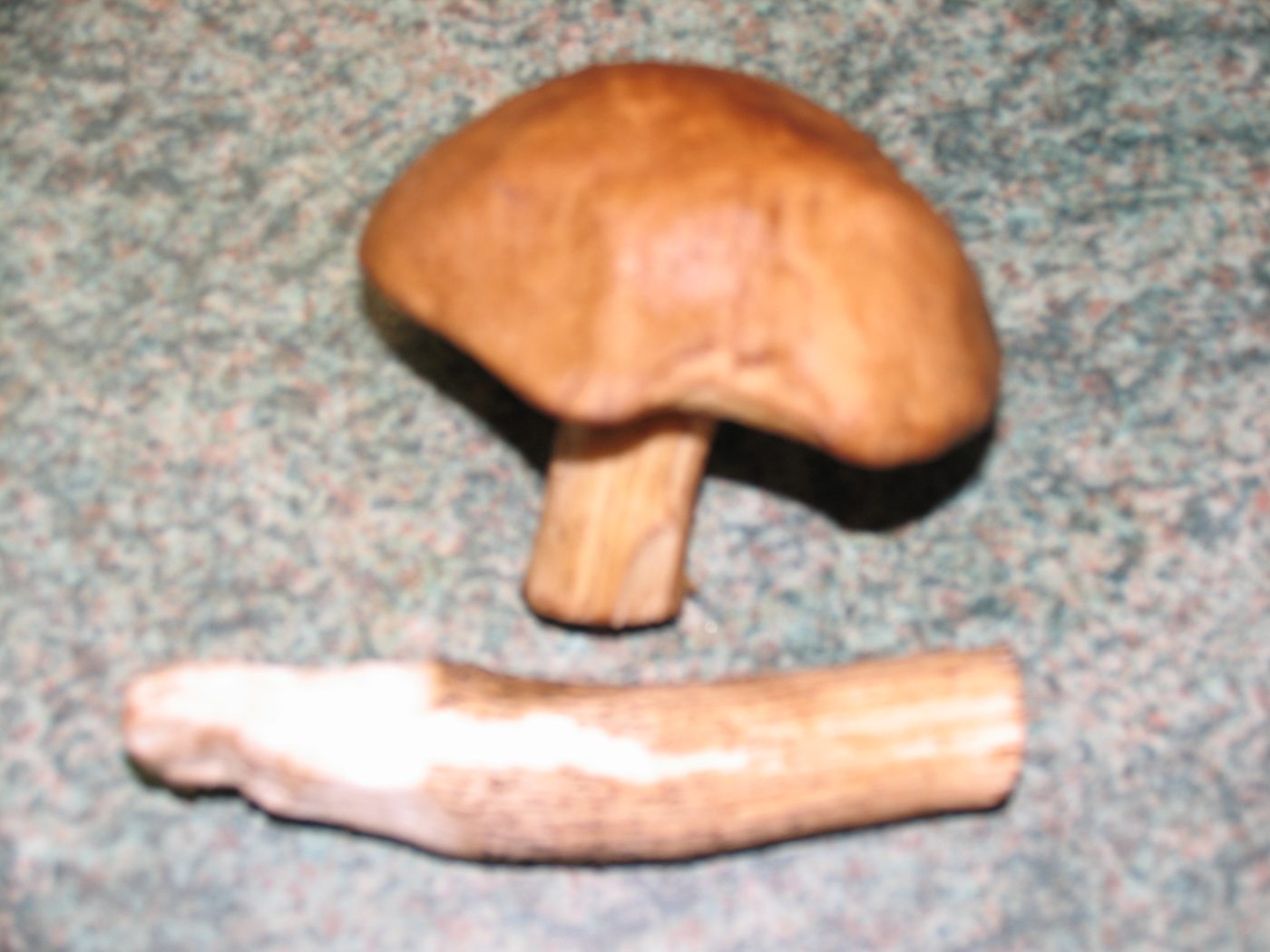
Original post: "My girlfriend collected a big basket of mushrooms this morning but I am not convinced that they are edible." The discussion: a member thought they were the Red Cracking Bolete — edible but not good, and too old. Geoff's reply: "…and should have been left alone." From the archive: originally posted on the old Wild Mushrooms Online "Recent Foraging Trips" board. Date shown is the original posting date. Never eat a wild mushroom on the strength of a photo or an online comment.

Northamptonshire
0 0Open
Two kinds popping up everywhere
CChris23 Sep 2010

Originally posted by tony · Archive

Two kinds popping up everywhere

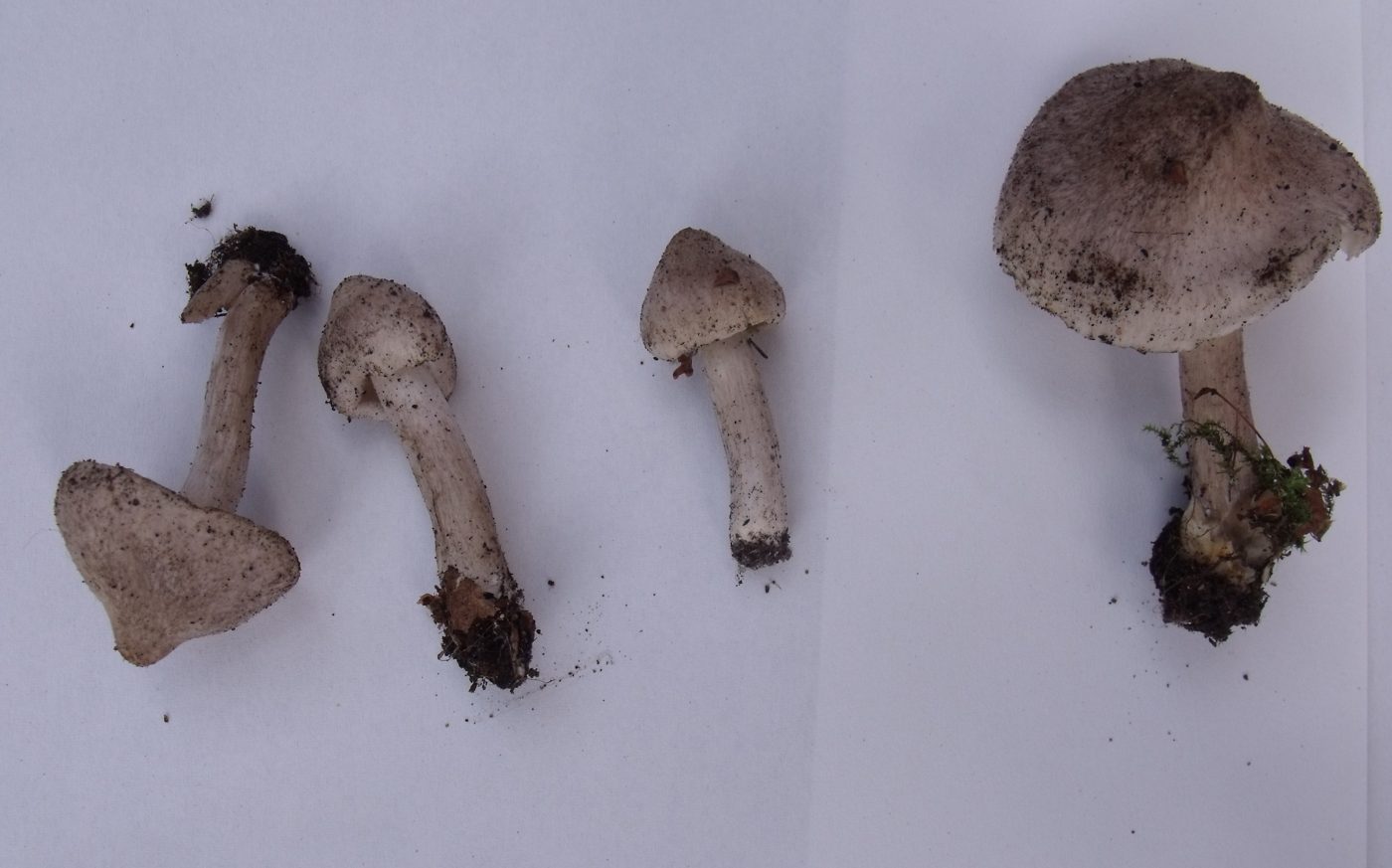
Tony asked for help with two types of mushroom popping up "all over the place". The discussion: one member suspected webcaps; Geoff thought the top ones looked like a Psathyrella and the bottom ones, with pointed fibrous caps, like an Inocybe (fibrecap). "Neither of them are on the menu, put it that way." Many fibrecaps are poisonous. From the archive: originally posted on the old Wild Mushrooms Online "Recent Foraging Trips" board. Date shown is the original posting date. Never eat a wild mushroom on the strength of a photo or an online comment.

0 0Open
November spotlight: Winter Chanterelles
CChris17 Nov 2026

November spotlight: Winter Chanterelles

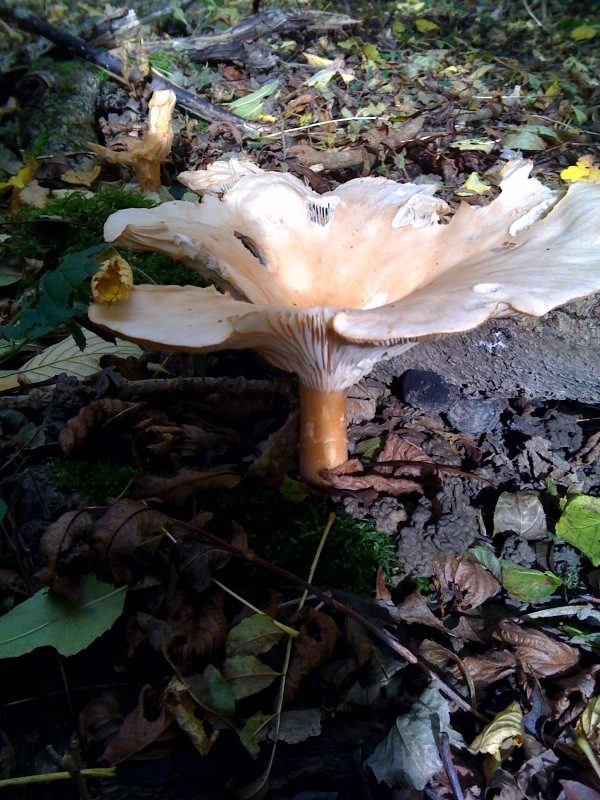
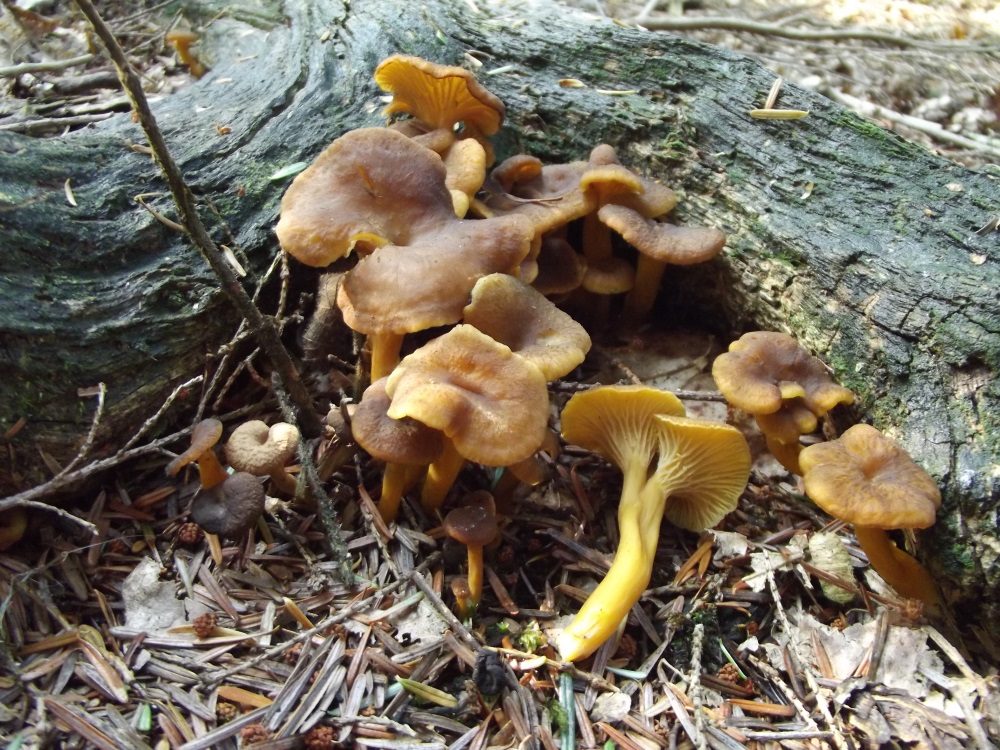
From my photo archive: original find date and location not recorded. The date shown is when this photo was shared, not when the mushrooms were found.\n\nA seasonal reminder to look closely among moss and damp woodland litter. Beech woodland can be worth checking, but this photograph is not a record of a particular beech-wood find. Check the underside ridges and hollow yellow stem; do not rely on colour alone or eat anything you cannot confidently identify.

0 0Open
November spotlight: Wood Blewits 3
CChris17 Nov 2026

November spotlight: Wood Blewits

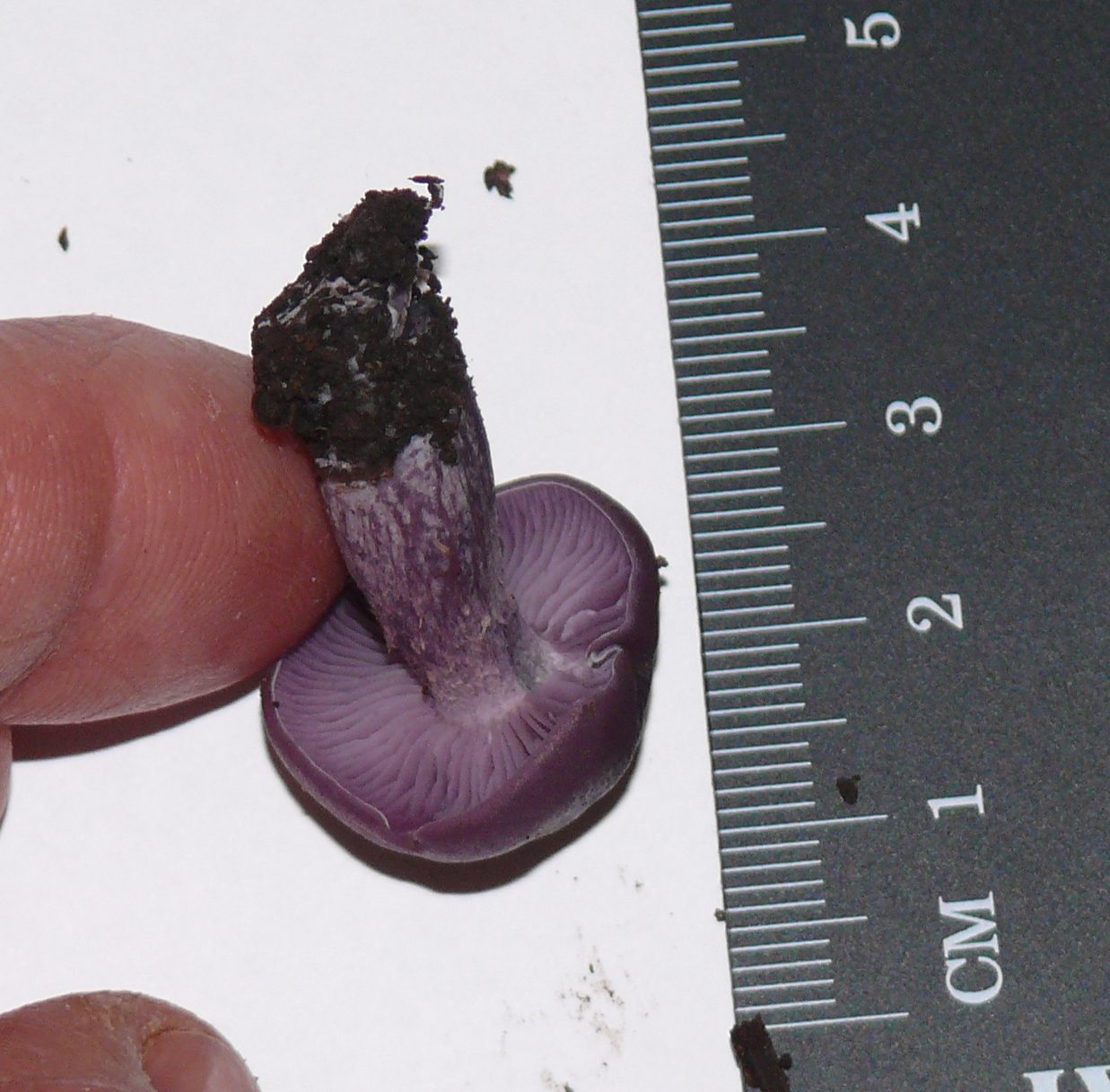
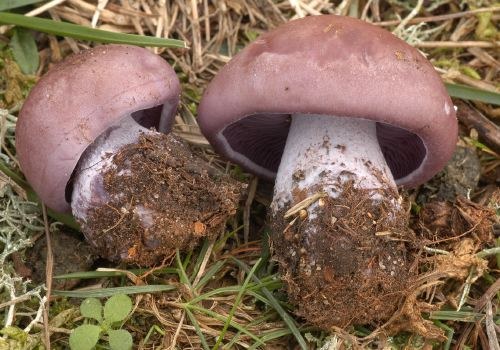
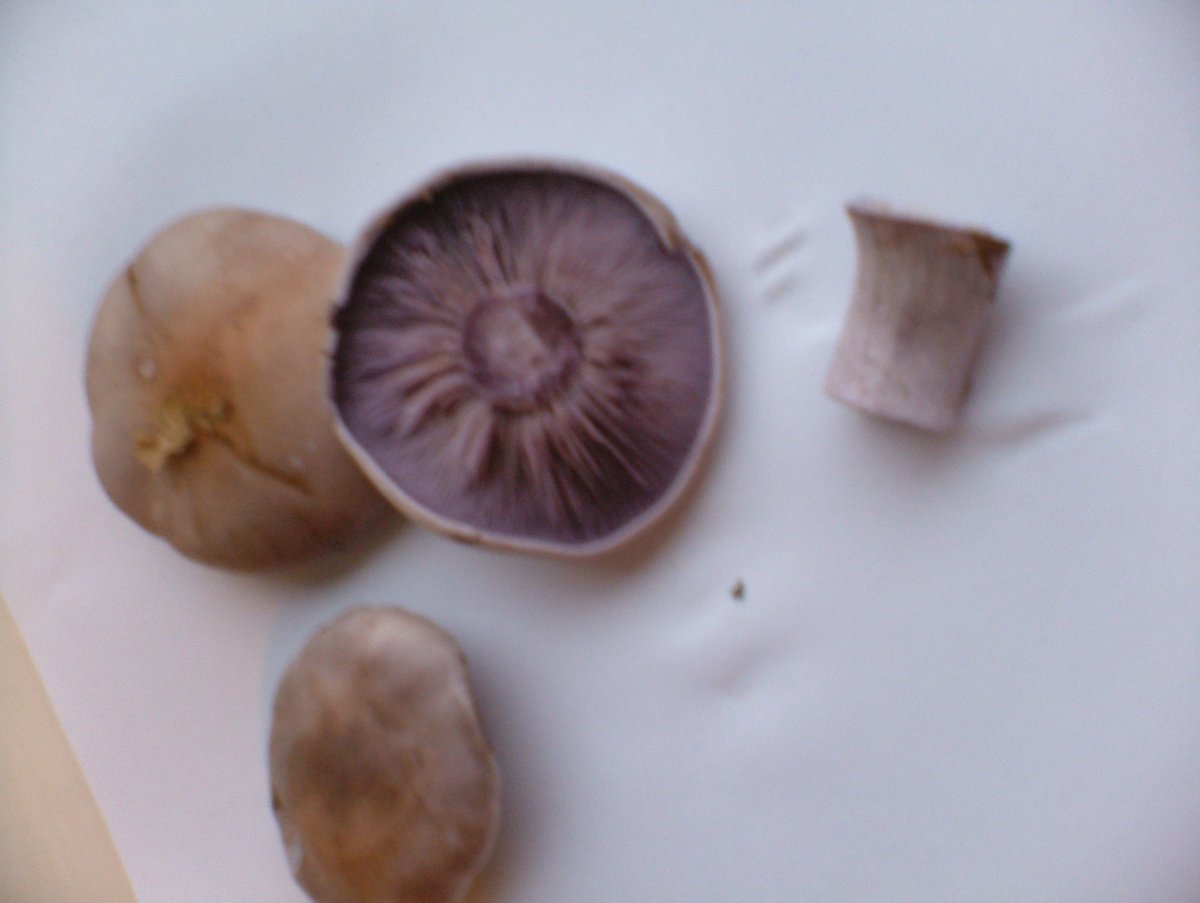
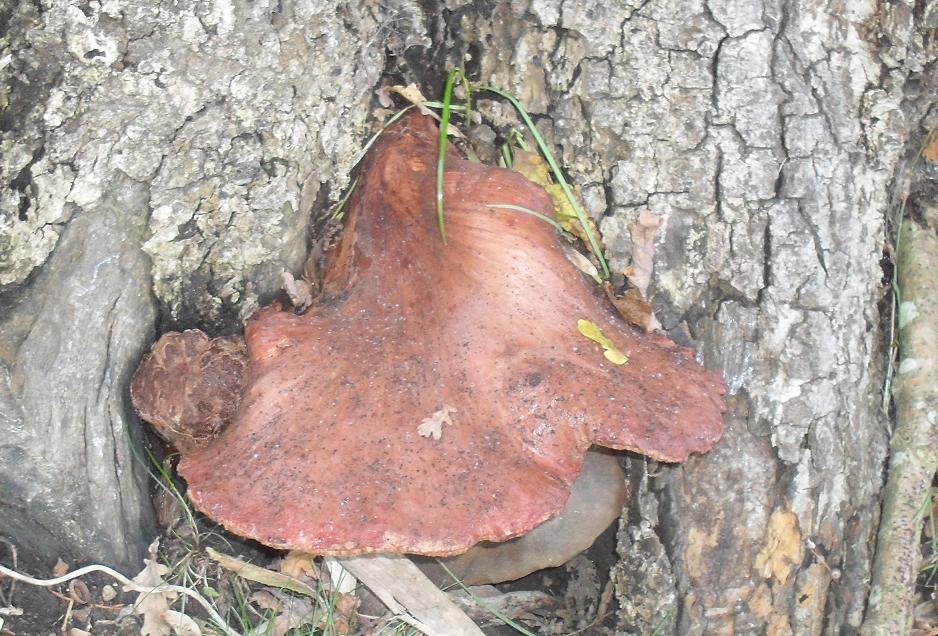
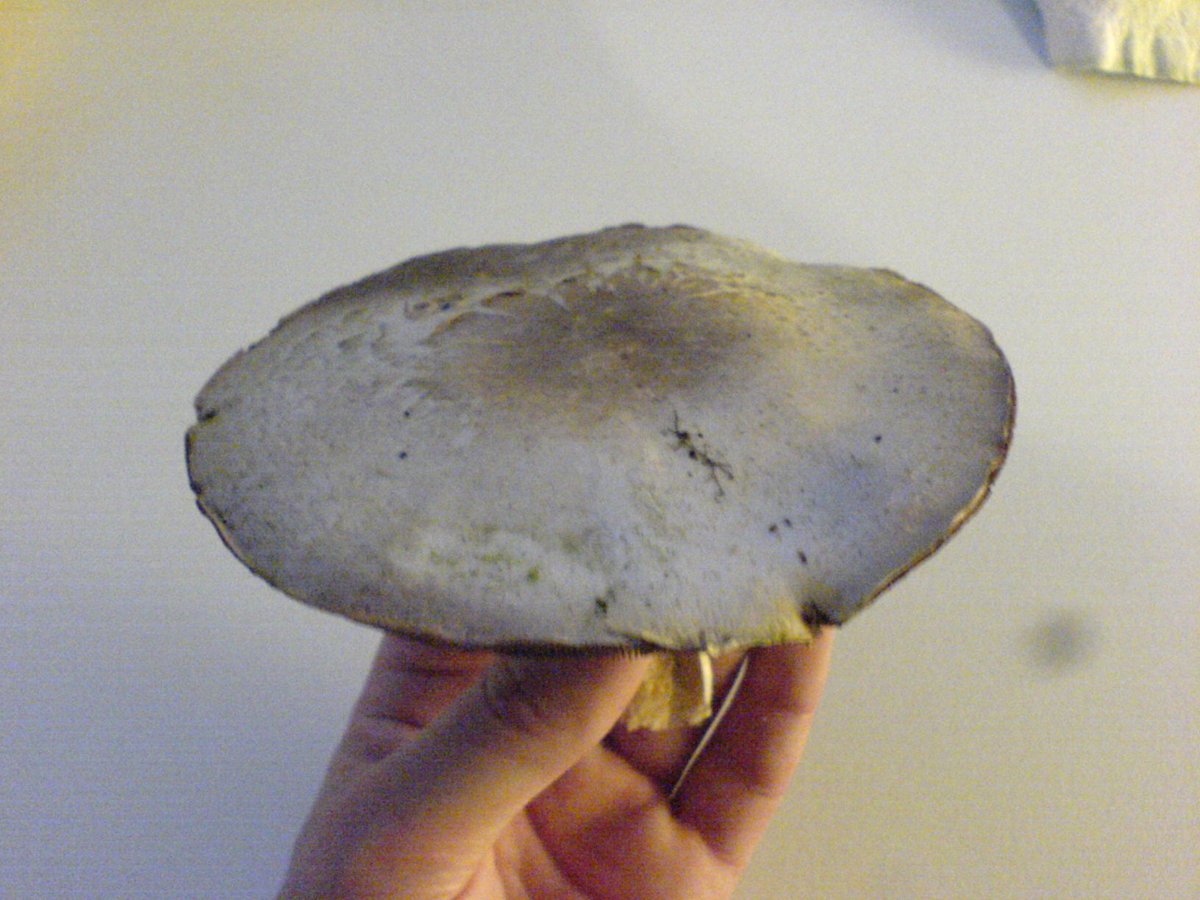
From my photo archive: original find date and location not recorded. The date shown is when these photos were shared, not when the mushrooms were found.\n\nWood Blewits are a late-autumn species to look out for in woodland leaf litter. These three views show why looking beyond the cap matters. Purple colouring alone is not an identification: poisonous webcaps must be ruled out, including checks for a cortina and rusty-brown spores. Never eat a mushroom on the strength of a photograph.

0 0Open
November spotlight: Oyster Mushrooms
CChris17 Nov 2026

November spotlight: Oyster Mushrooms

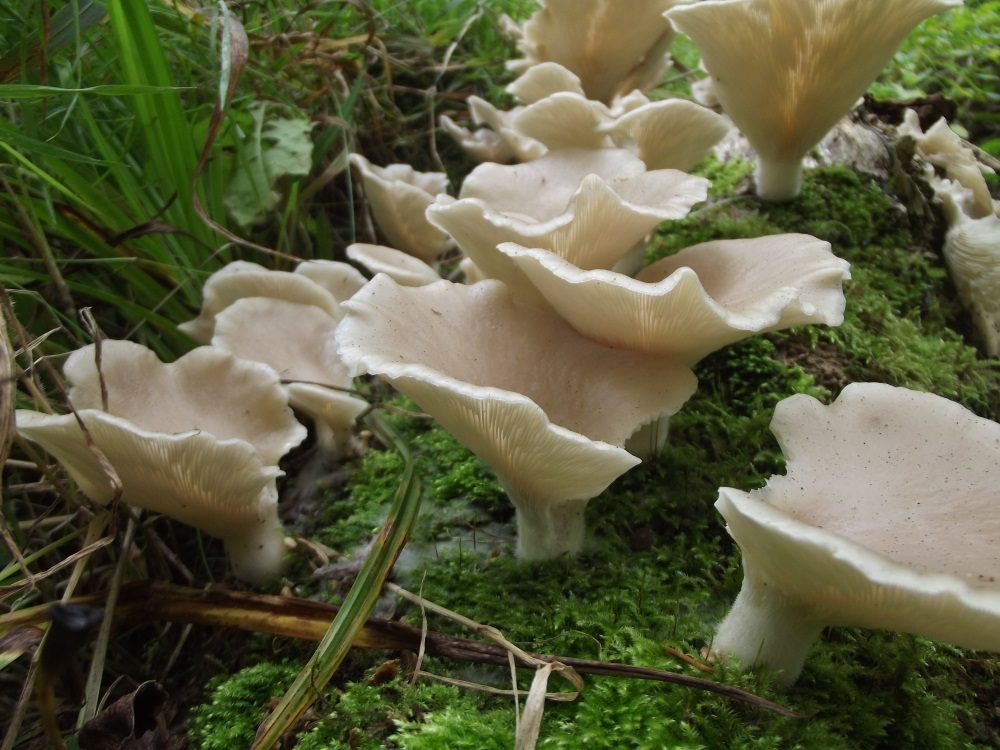
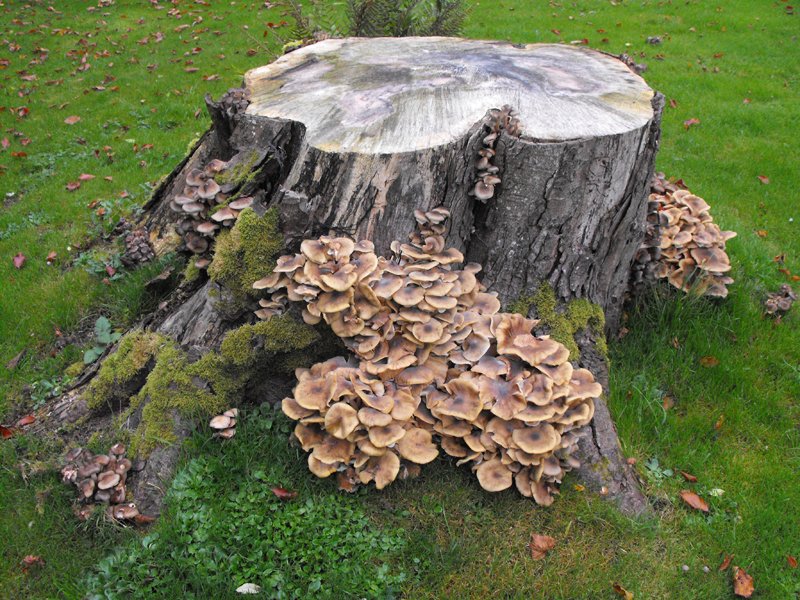
From my photo archive: original find date and location not recorded. The date shown is when this photo was shared, not when the mushrooms were found.\n\nOyster Mushrooms are another species to watch for during cool late-autumn woodland walks, often growing in overlapping clusters on dead hardwood. Check the growing substrate, gills and stem attachment in person, and rule out lookalikes rather than relying on the cap shape. This archived photo is not a report of a current local sighting.

0 0Open
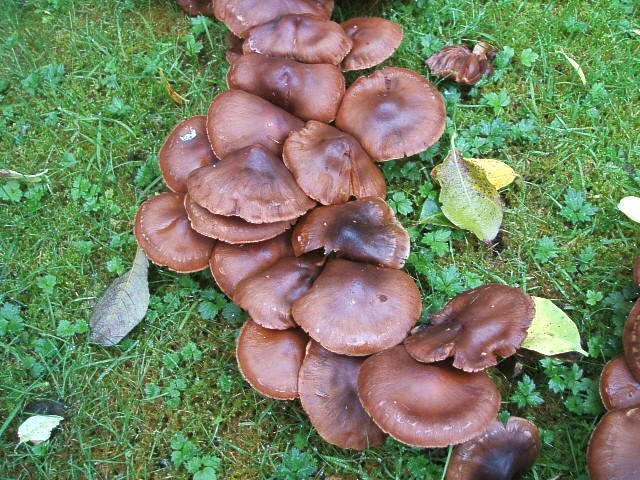
Clouded agaric by the sackful
CChris23 Oct 2010

Originally posted by Tony · Archive

Clouded agaric by the sackful

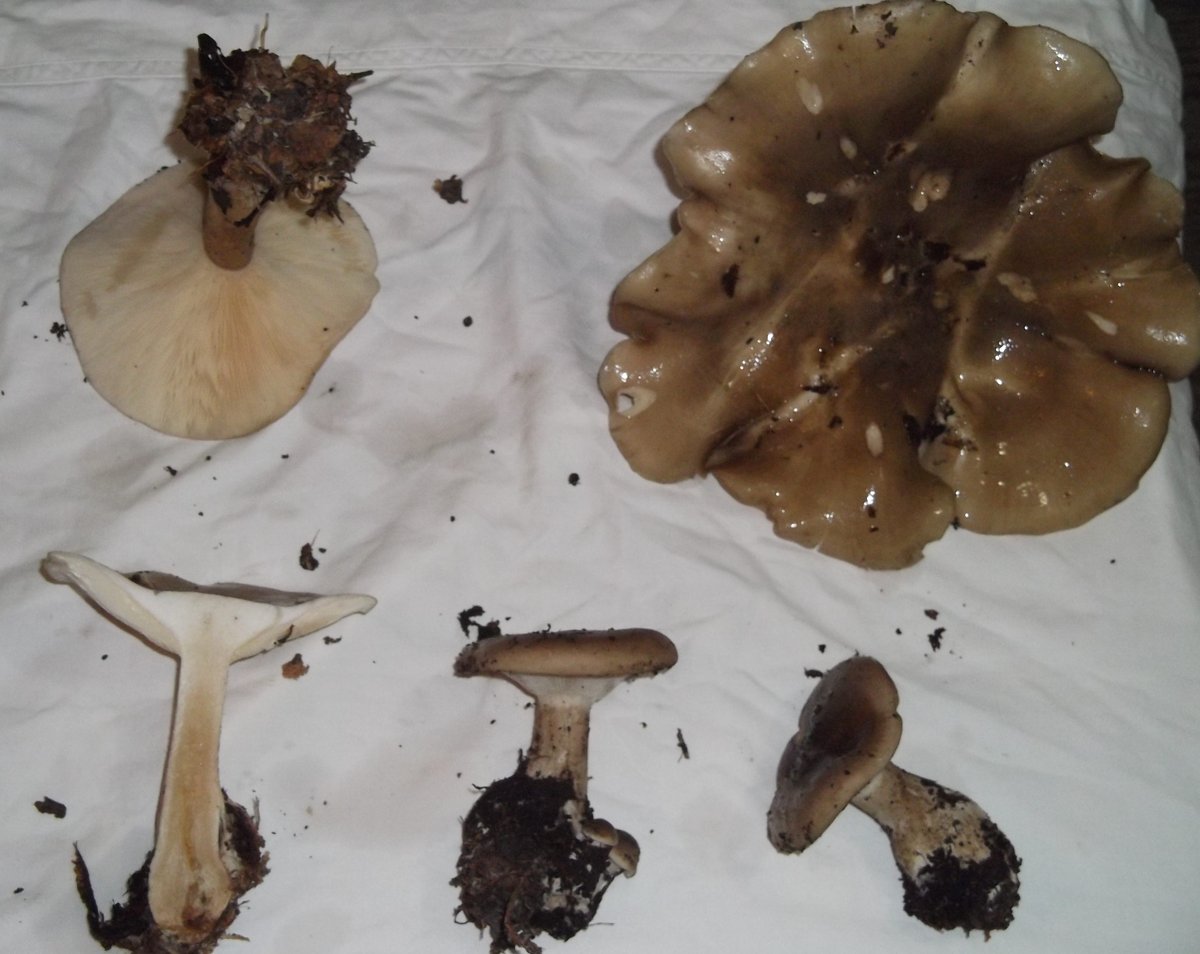
Tony wrote a careful description: cap up to 8–9 inches, light brown-grey darkening to the centre, off-white gills, no ring, swollen base, growing on buried rotting wood — "found in large quantities (20–30lb so far!)". The discussion: Geoff identified Clitocybe nebularis (clouded agaric) and said he'd tried eating some — "not recommended", it causes gastric upsets in some people. Tony replied that was his conclusion too, but he was "still pretty paranoid" — exactly the right attitude. From the archive: originally posted on the old Wild Mushrooms Online "Recent Foraging Trips" board. Date shown is the original posting date. Never eat a wild mushroom on the strength of a photo or an online comment.

Woodland north of Swansea, South Wales
0 0Open
Wood blewit — waiting on the spore print
CChris14 Oct 2010

Originally posted by a community member (name not preserved) · Archive

Wood blewit — waiting on the spore print

Original post: "Wood Blewit – I think. Waiting to see what the spore print will reveal." The discussion: a member agreed it looked like wood blewit but the photo was fuzzy when enlarged. The spore print step is the right instinct — blewits give a pale pinkish print, which separates them from violet webcaps (rusty brown). From the archive: originally posted on the old Wild Mushrooms Online "Recent Foraging Trips" board. Date shown is the original posting date. Never eat a wild mushroom on the strength of a photo or an online comment.

0 0Open
Beefsteak fungus — love it or hate it?
CChris11 Oct 2010

Originally posted by Geoff · Archive

Beefsteak fungus — love it or hate it?

Geoff posted: "Fistulina hepatica (beefsteak fungus). Probably the weirdest British edible… looks weird and tastes even weirder. It's a true British specialist — the British Isles are the only place it is common. I'd be interested in people's thoughts about eating it." The discussion: opinions split — "too sour for me", "edible, but so is an old boot with enough preparation" — while one member soaked slices in milk for a couple of hours first to soften the sourness. From the archive: originally posted on the old Wild Mushrooms Online "Recent Foraging Trips" board. Date shown is the original posting date. Never eat a wild mushroom on the strength of a photo or an online comment.

0 0Open
"Just like the supermarket ones"?
CChris2 Oct 2010

Originally posted by Swipe · Archive

"Just like the supermarket ones"?

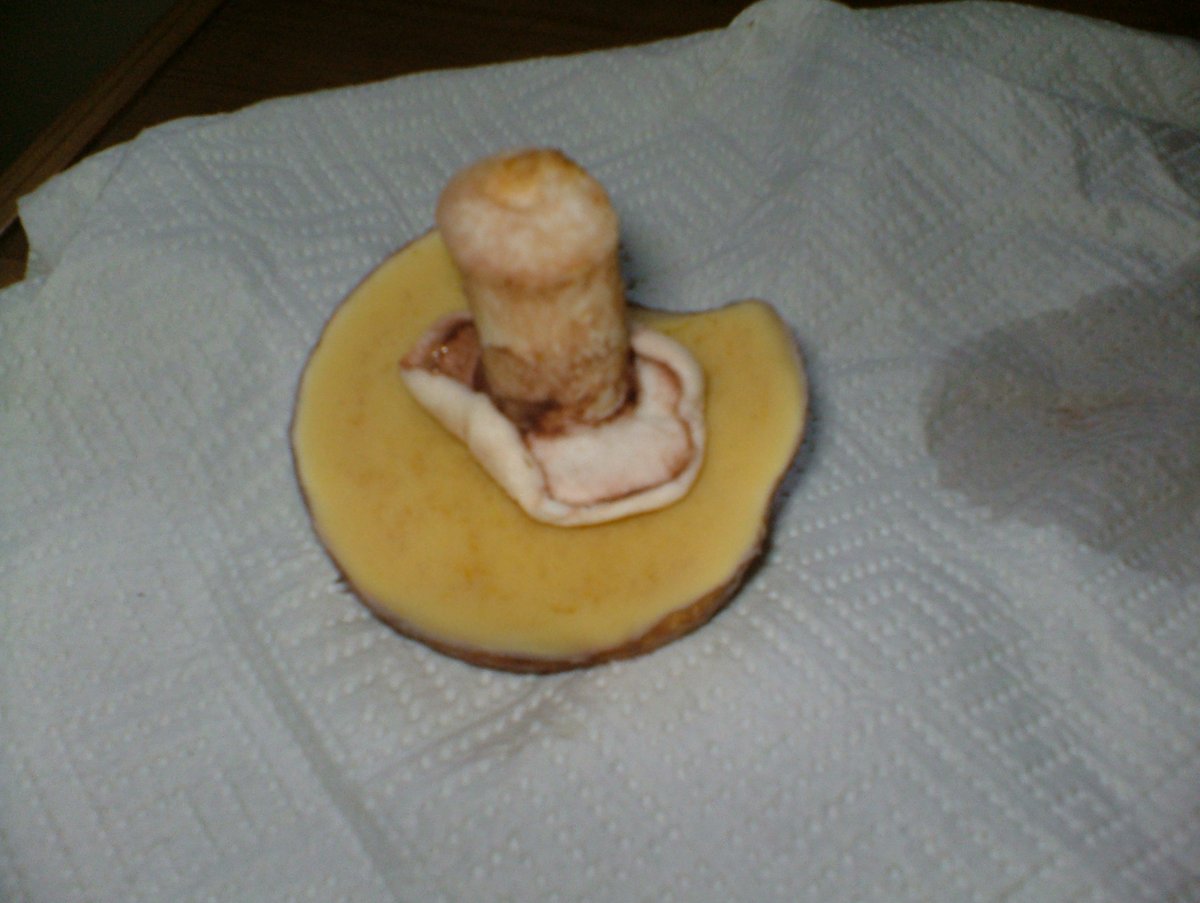
Swipe wrote: "Found loads of these (about 15 growing close together) in my garden underneath a very thick conifer tree… They appear just like the big ones I see in the supermarkets. I assume they are safe to eat." The discussion: John replied in capitals — DO NOT EAT UNLESS YOU GET A POSITIVE ID — and pointed out the risk of confusing it with the poisonous Yellow Stainer (Agaricus xanthodermus). Swipe agreed that growing under conifers rather than on a lawn was a warning sign. From the archive: originally posted on the old Wild Mushrooms Online "Recent Foraging Trips" board. Date shown is the original posting date. Never eat a wild mushroom on the strength of a photo or an online comment.

Garden, under conifer
0 0Open
Honey fungus on a horse chestnut stump
CChris2 Oct 2010

Originally posted by Fred · Archive

Honey fungus on a horse chestnut stump

Fred asked: "I am new to this and these mushrooms looked good enough to eat last year. Can anyone tell me if they are edible please?" — growing on an old horse chestnut stump. The discussion: Geoff identified Armillaria mellea (honey fungus) and noted it upsets some people's stomachs and needs proper cooking. Another member questioned the ID because the caps lacked the usual small brown flecks — a good example of why one photo is never enough. From the archive: originally posted on the old Wild Mushrooms Online "Recent Foraging Trips" board. Date shown is the original posting date. Never eat a wild mushroom on the strength of a photo or an online comment.

0 0Open
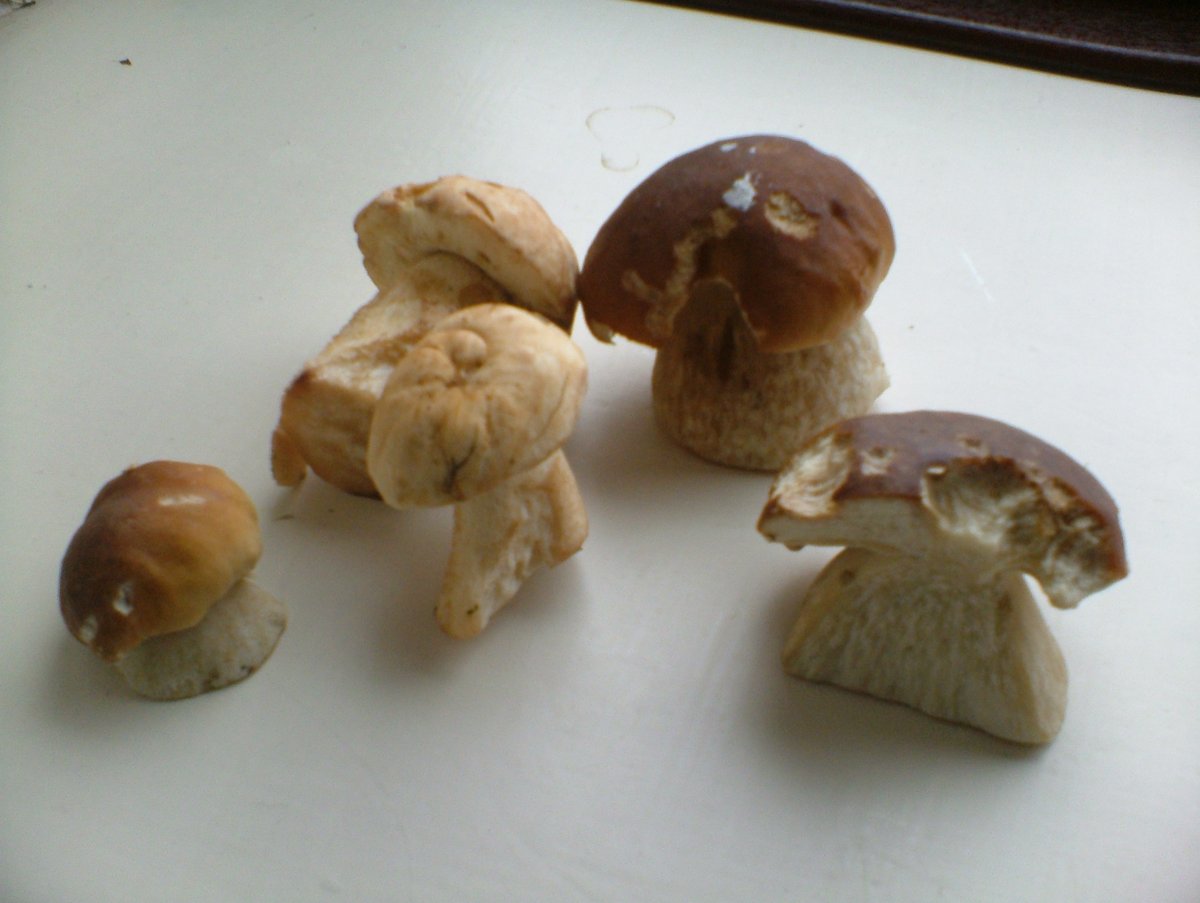
Ceps — including two white ones
CChris2 Oct 2010

Originally posted by a community member (name not preserved) · Archive

Ceps — including two white ones

Original post: "Boletus edulis – including two white ones – what a day. I thought the season was over up here but I've had the best day yet: boletus and saffron milkcaps. The strange thing is the number of mushrooms I've found on people's lawns! They don't know what they are and are only too pleased to let me have them." From the archive: originally posted on the old Wild Mushrooms Online "Recent Foraging Trips" board. Date shown is the original posting date. Never eat a wild mushroom on the strength of a photo or an online comment.

0 0Open
Brown-gilled clumps spreading across a lawn
CChris1 Oct 2010

Originally posted by a community member (name not preserved) · Archive

Brown-gilled clumps spreading across a lawn

Original post: "These fungi are growing in my lawn… spreading in a semi-circle, in clumps. They have brown gills." The discussion: Geoff wondered if they were growing on buried wood; John suggested they could be Funeral Bells (deadly) or a webcap — both reasons why brown-gilled lawn mushrooms are never worth the risk. The species link here is to the lookalike to rule out, not a confirmed ID. From the archive: originally posted on the old Wild Mushrooms Online "Recent Foraging Trips" board. Date shown is the original posting date. Never eat a wild mushroom on the strength of a photo or an online comment.

0 0Open
New to Hampshire: one short walk, a dozen species
CChris27 Sep 2010

Originally posted by a community member (name not preserved) · Archive

New to Hampshire: one short walk, a dozen species

Original post: "I have recently moved to Hampshire and found so many different types of mushroom on a short walk. Any help identifying them appreciated — also are any OK to eat?" The discussion: Geoff worked through the photos — birch polypore, fly agaric, tawny grisette, probable Jersey cow bolete, blusher, honey fungus, brown birch bolete, brown rollrim and more. Another member's advice: get a good book, get much more experience before eating anything — "don't take chances and live a bit longer." From the archive: originally posted on the old Wild Mushrooms Online "Recent Foraging Trips" board. Date shown is the original posting date. Never eat a wild mushroom on the strength of a photo or an online comment.

Hampshire
0 0Open
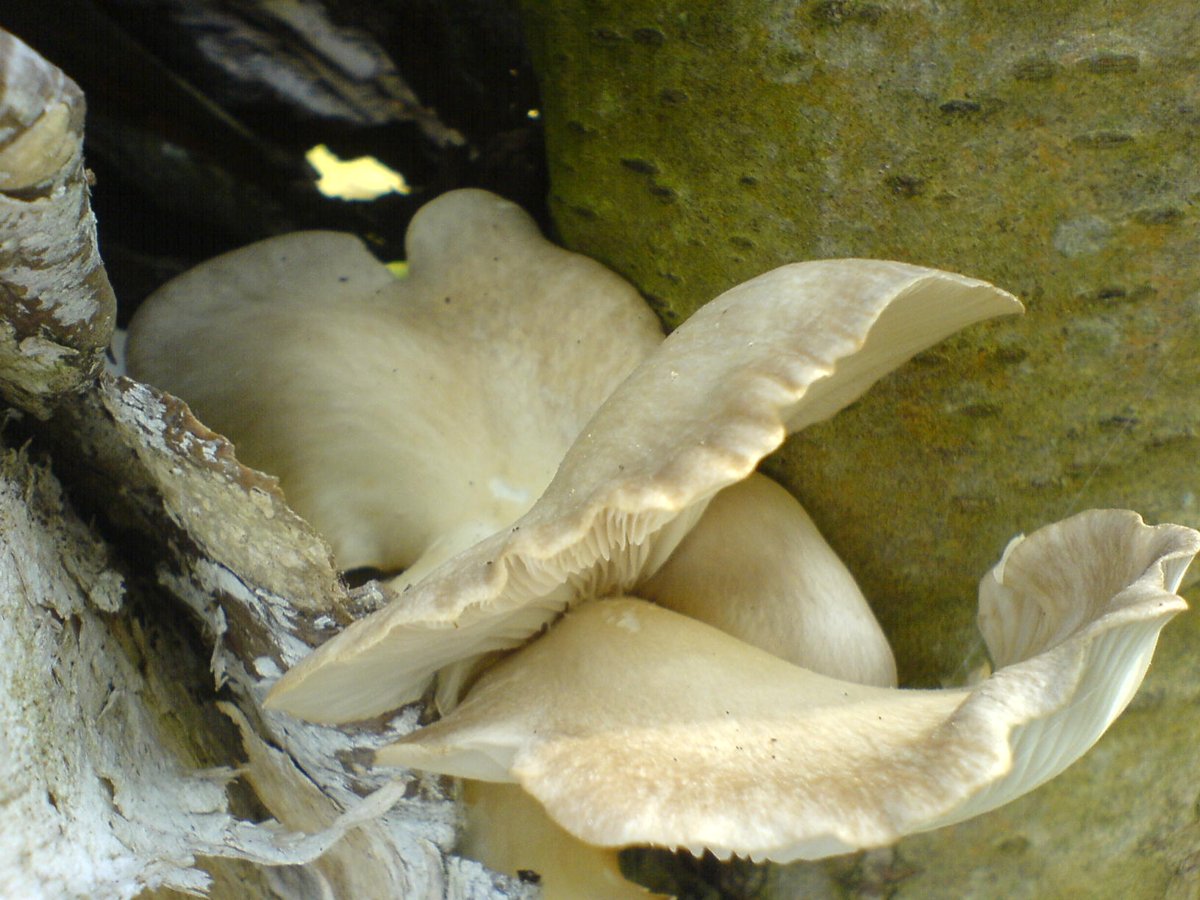
Pale oysters on silver birch
CChris22 Sep 2010

Originally posted by Damon · Archive

Pale oysters on silver birch

Damon asked: "Spotted on a Silver Birch today in the New Forest, could they be 'Oyster Mushrooms'? They are very pale!" The discussion: Geoff suggested Pleurotus pulmonarius, the paler summer-to-autumn oyster, and another member added that it grows May–October on rotting wood, often in large overlapping clusters. From the archive: originally posted on the old Wild Mushrooms Online "Recent Foraging Trips" board. Date shown is the original posting date. Never eat a wild mushroom on the strength of a photo or an online comment.

EdibleOyster Mushroom New Forest, Hampshire
0 0Open
Saffron milkcap or false saffron?
CChris20 Sep 2010

Originally posted by a community member (name not preserved) · Archive

Saffron milkcap or false saffron?

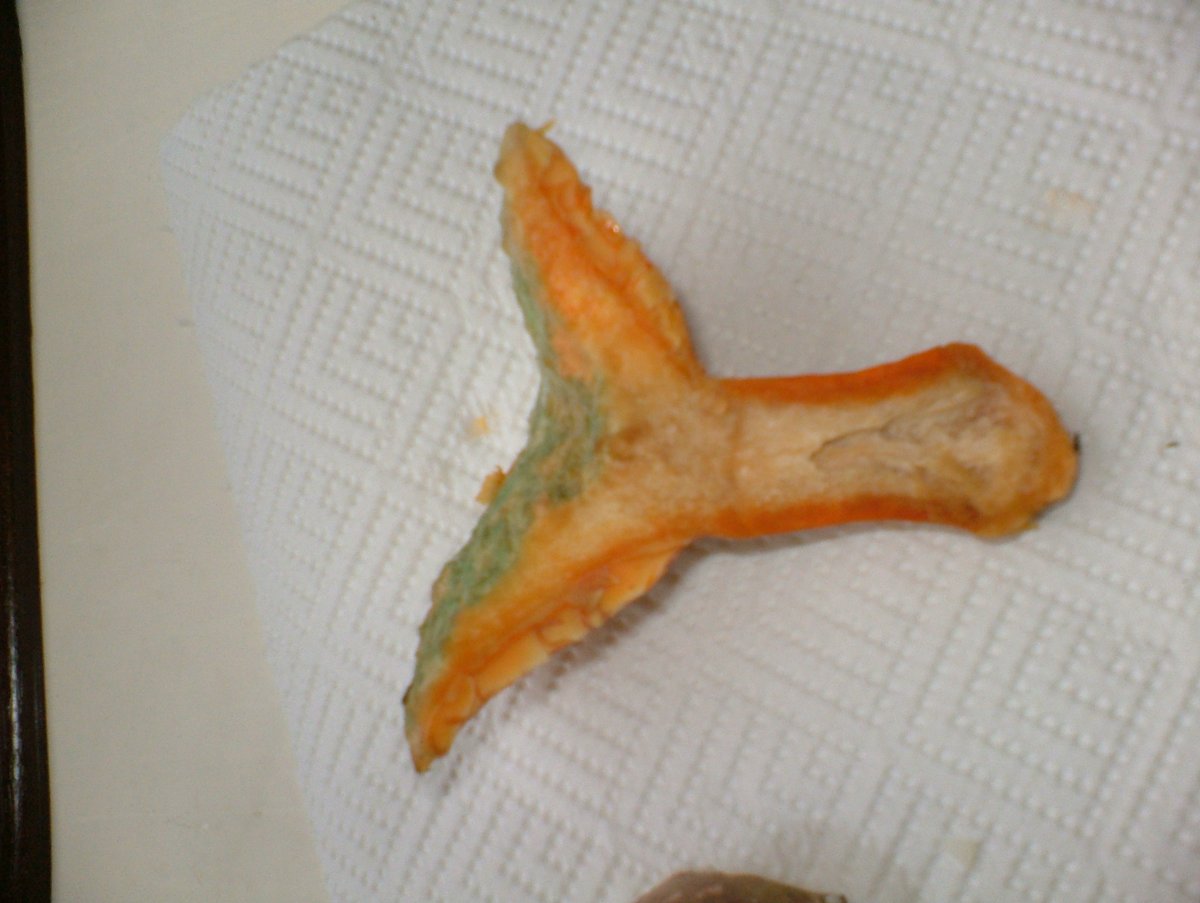
Original post: "Possible Saffron Milkcap and a Charcoal Burner. The milkcap – orange milky fluid when cut, not turning red or green." The discussion: Geoff agreed it looked like a saffron milkcap but warned the 'charcoal burner' photo could be any of about 15 Russula species — you have to feel the gills. Members then debated Lactarius deterrimus vs L. deliciosus: deterrimus grows with spruce, deliciosus usually with pine. From the archive: originally posted on the old Wild Mushrooms Online "Recent Foraging Trips" board. Date shown is the original posting date. Never eat a wild mushroom on the strength of a photo or an online comment.

0 0Open
Dryad's saddle — and a lesson in leaving it be
CChris19 Sep 2010

Originally posted by Jeff · Archive

Dryad's saddle — and a lesson in leaving it be

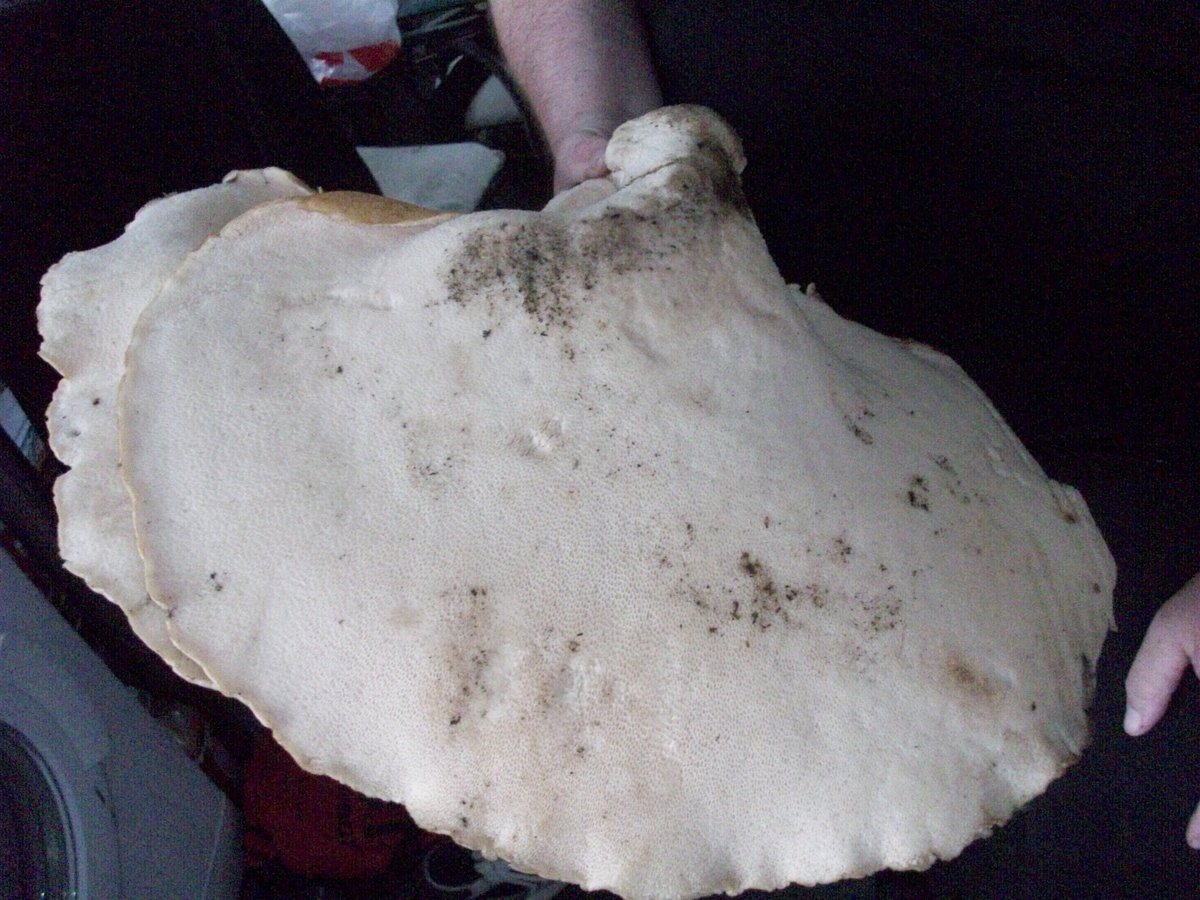
Jeff asked for a positive ID: "I think it is chicken of the woods. I found it on a fallen oak tree… very large, weighing over 3kg." The discussion: Geoff identified it as Dryad's saddle (Cerioporus squamosus) — edible only when young, far too tough at that size — and made a heartfelt plea: take a photo in situ and leave it to grow. These can become truly spectacular if they're not picked at random. From the archive: originally posted on the old Wild Mushrooms Online "Recent Foraging Trips" board. Date shown is the original posting date. Never eat a wild mushroom on the strength of a photo or an online comment.

0 0Open
"Has the season finished?"
CChris19 Sep 2010

Originally posted by a community member (name not preserved) · Archive

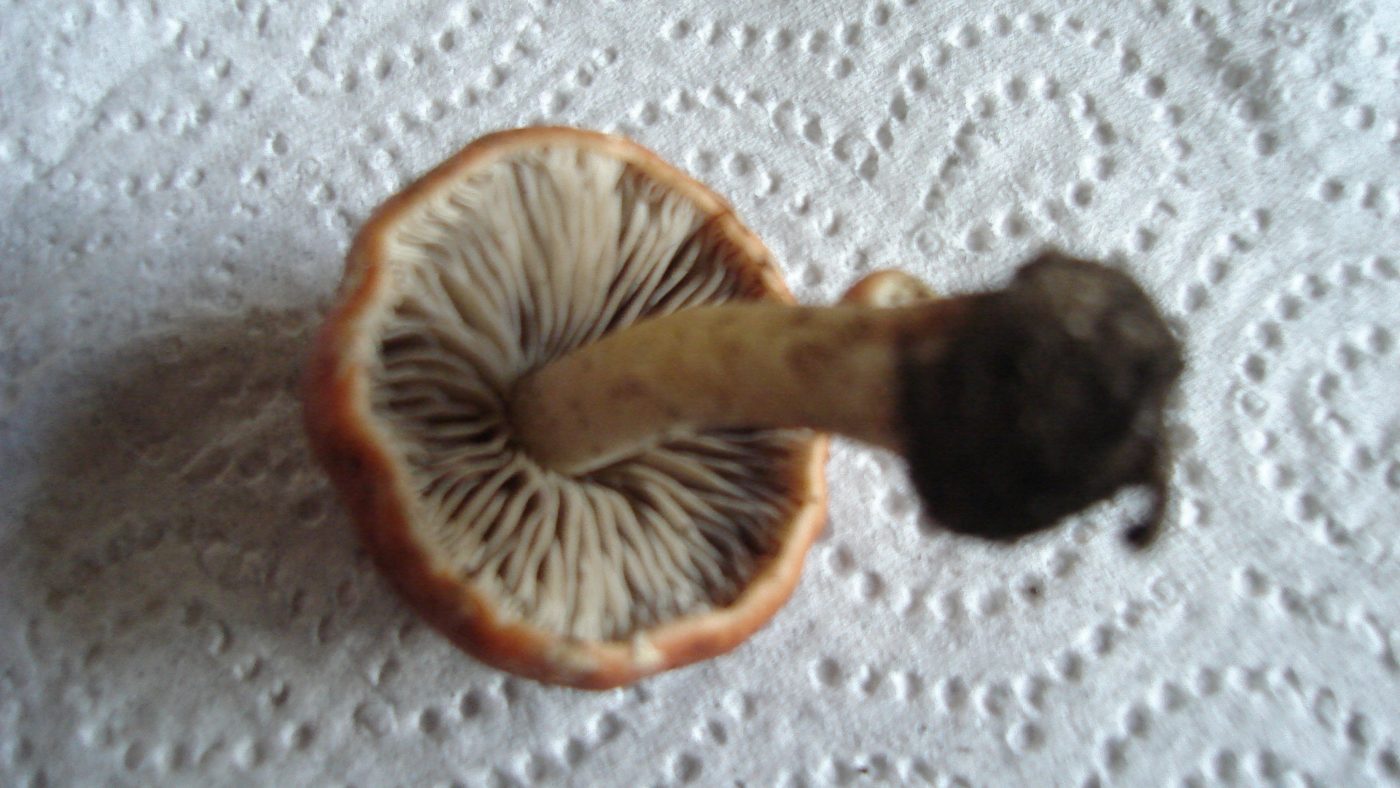
"Has the season finished?"

A member asked Geoff: "I am heading down to the New Forest next weekend, will there be anything out? Or has the season finished?" The discussion: "Finished? Of course it's not finished! You can find edible mushrooms right up until the first serious frost." Another member reported a good basket of ceps and orange birch boletes near Merthyr Tydfil, though easing off from the August glut. From the archive: originally posted on the old Wild Mushrooms Online "Recent Foraging Trips" board. Date shown is the original posting date. Never eat a wild mushroom on the strength of a photo or an online comment.

New Forest, Hampshire
0 0Open